Bundeswehr China Tech Ban Opens Door for European Defense Startups
Germany’s military will replace Chinese drones with domestic or European systems as security concerns reshape defense procurement.
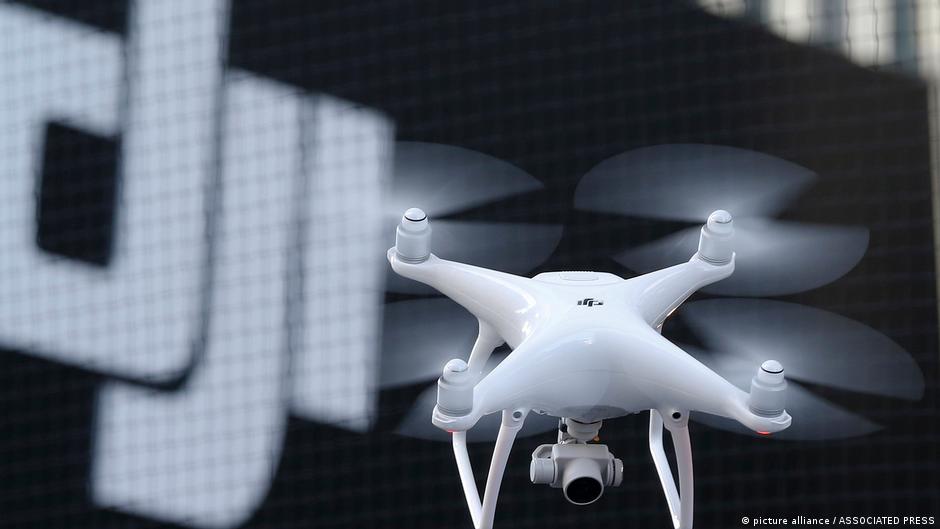
Germany’s armed forces have banned small Chinese-made drones from barracks and military training grounds, creating a potential procurement opening for German and European defense technology startups. Chinese-brand vehicles have also been barred from entering military facilities amid concerns that their cameras and sensors could collect sensitive information.
A German Defense Ministry representative told Der Spiegel that the Bundeswehr was imposing the drone prohibition with immediate effect. Military units have been ordered to stop using systems already purchased from Chinese manufacturers, including DJI, and existing equipment is to be replaced with German- or European-made products.
The decision turns a security restriction into a clear demand signal for Europe’s drone and dual-use technology ecosystem. Companies developing unmanned aircraft, secure communications, imaging systems and data infrastructure may gain access to contracts previously served by established Chinese suppliers. For venture capital investors, the shift illustrates how geopolitical risk and national-security requirements are becoming increasingly important drivers of technology procurement.
Security policy creates a market for trusted technology
The Bundeswehr has also prohibited vehicles made by BYD, Geely and other Chinese brands from entering garrisons and other military sites. Service members who own affected vehicles must park outside the security zone and walk to their place of duty.
German officials are concerned that sensors and cameras installed in Chinese-made equipment could gather classified data and transmit it to Chinese security authorities. Drones could potentially expose confidential details about military exercises, images of barracks and training areas, or information about German weapons systems.
Existing Chinese-made drone systems are to be replaced with products manufactured in Germany or elsewhere in Europe.
That replacement requirement may favor suppliers capable of demonstrating more than flight performance or competitive pricing. Defense customers are likely to scrutinize component origins, software architecture, data storage and transmission, cybersecurity controls, and the ability to audit supply chains. These conditions could raise compliance costs for young companies, but they could also create defensible market positions for startups designed around European security standards.
The policy may also influence venture funding and consolidation. European drone developers often face the challenge of scaling manufacturing while meeting demanding government procurement rules. A larger and more predictable public-sector market could help startups attract growth capital, while established aerospace and defense groups may look to acquisitions or strategic partnerships to add secure autonomy, sensing and communications capabilities. The source report did not identify specific tenders, funding rounds or acquisition plans.
Chinese components draw wider scrutiny
The German move follows security concerns elsewhere in Europe. On August 9, The Telegraph reported that Royal Navy K3 Scout maritime reconnaissance drones fitted with Chinese-made components had secretly transmitted information to China. The drones, valued at £12 million, were supplied by British company Kraken Technology Group. Their integrated cameras were made by a subcontractor that had guaranteed the equipment’s security.
London had proposed using the K3 maritime drones to help protect freedom of navigation in the Strait of Hormuz, according to a British Defense Ministry source cited in the report. The episode highlights a broader commercial challenge for defense technology companies: a product may be assembled by a domestic supplier while still depending on foreign cameras, chips, sensors or other subsystems that introduce security concerns.
For startups, this increases the strategic value of supply-chain visibility and trusted components. It may also encourage investment in European alternatives to imported imaging hardware, embedded electronics and secure data systems. At the same time, replacing mature, competitively priced Chinese products could require additional capital and manufacturing capacity, potentially accelerating partnerships between venture-backed companies, industrial manufacturers and government buyers.
Connected vehicles expand the risk debate
The concern is not limited to aircraft. In late August, Der Spiegel reported, citing experts, that connected electric vehicles from China could serve as channels for espionage. Their cameras, microphones and sensors can collect large quantities of information about nearby environments and vehicle movements. German authorities are currently analyzing those risks.
The review comes as Chinese automakers expand in a fast-growing German electric vehicle market. Demand for electric cars in Germany increased 80% over the course of a year, driven by the energy crisis and a government subsidy program favorable to motorists. Chinese manufacturers recorded the strongest sales growth.
The Bundeswehr’s restrictions therefore sit at the intersection of defense procurement, mobility technology and industrial policy. European founders may see opportunities in secure drones, vehicle data protection, sensor governance and component traceability. Investors, however, will need to assess whether companies can convert political momentum into contracts while navigating certification, procurement timelines and capital-intensive production.
For the broader innovation ecosystem, the immediate message is that national origin and supply-chain security are becoming product features in their own right. Germany’s decision does not simply remove Chinese equipment from sensitive locations; it directs future demand toward European suppliers able to prove that their hardware, software and data flows can be trusted.



