Drone Strikes Put Russian Energy Infrastructure Risks in VC Focus
Reported fires near oil assets in Rostov and Tatarstan highlight infrastructure risks facing energy startups, investors and industrial innovation.
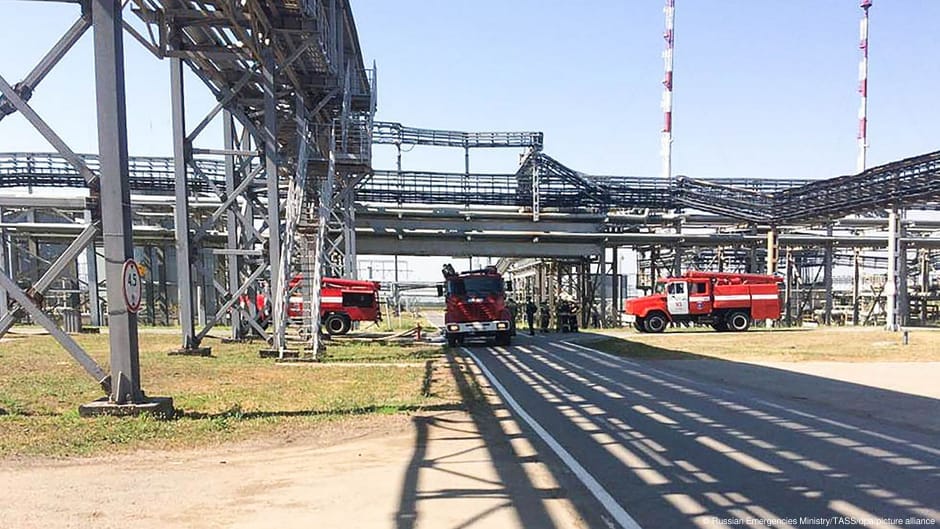
A major fire broke out near oil-related facilities in Novoshakhtinsk, in Russia’s Rostov region, after the area came under attack by Ukrainian drones for several hours overnight on Monday, November 23. The incident adds to the operational risks confronting technology startups, venture investors and industrial companies working across energy, logistics and critical infrastructure.
An open-source intelligence analysis by Astra, based on videos published by local residents, placed the fire near the Novoshakhtinsk Petroleum Products Plant and TATA-GAZ, a company involved in fuel sales, storage and logistics. The refinery is connected to the Sukhodolnaya-Rodionovskaya oil pipeline.
Although the available material does not establish the full extent of the damage, the reported location is commercially significant. Refineries, storage facilities and pipeline links support a broad network of contractors and technology providers, including companies supplying industrial software, sensors, communications equipment, cybersecurity systems and automated monitoring tools.
Infrastructure exposure becomes an investment variable
For venture capital firms assessing energy and industrial technology companies, repeated attacks on physical infrastructure can affect more than the operators of the targeted assets. Startups selling into the sector may face delayed installations, disrupted pilot projects, longer procurement cycles and rising costs for insurance, security and regulatory compliance.
The situation also places greater emphasis on technologies designed to keep industrial sites operating under stress. Remote inspection, predictive maintenance, fire detection, resilient communications and distributed logistics can become more relevant when centralized energy assets face recurring disruption. However, the reports do not identify any particular startup, technology provider, financing round or acquisition connected to the affected facilities.
A separate possible strike was reported in Tatarstan. Astra said a drone alert was declared in Almetyevsk at midnight on November 23. A local resident told the publication of a “powerful impact” and several hits on “Druzhba.” Astra suggested the account could refer to the Kaleykino oil pumping station, located in the village of the same name and serving as one of the nodes feeding oil into the Druzhba pipeline.
The reported incident at Kaleykino had not been independently confirmed at the time of publication.
Ukrainian monitoring channels Exilenova+ and Supernova+ published video that they claimed showed a fire at the station. Those posts, however, did not amount to official confirmation of either the location or the reported damage.
Recurring attacks raise pressure for resilient technology
Kaleykino has reportedly been targeted by Ukrainian drones before. The facility caught fire following a drone strike in February 2026 and was most recently reported as a target during the night of November 19. The recurrence is important for investors and corporate buyers because it suggests that resilience spending may need to become a continuing operating priority rather than a one-time response.
That shift could influence the innovation ecosystem around energy infrastructure. Established operators may seek faster deployment of surveillance, incident-response and business-continuity systems, potentially opening routes for startups through corporate partnerships, strategic investment or acquisition. At the same time, working with critical infrastructure in a conflict environment introduces significant legal, security and reputational concerns that can narrow the pool of potential investors and buyers.
For founders, the commercial opportunity is therefore paired with unusually high execution risk. Energy-sector sales already tend to involve long testing periods and demanding certification requirements. Physical attacks can complicate access to sites, interrupt demonstrations and change customer priorities with little notice. Companies dependent on a small number of large industrial clients may be particularly exposed if capital spending is redirected from innovation programs toward immediate repairs.
Investors may also scrutinize whether portfolio companies can operate when connectivity is degraded or facilities are temporarily inaccessible. Products that require constant cloud access or on-site teams may be harder to deploy than systems offering local processing, remote diagnostics and operational redundancy. These are general investment implications of repeated infrastructure disruption; the available reports provide no details about the technologies installed at Novoshakhtinsk or Kaleykino.
The incidents underline how geopolitical and physical-security risks are becoming embedded in venture assessments of energy technology. The central questions extend beyond a startup’s product and market size to include where its customers operate, how deployments are protected and whether revenue can withstand prolonged disruption. Until authorities or facility operators provide further information, the scale and direct commercial consequences of the reported fires remain unclear.



