EU Extends Ukraine Training Mission With €300 Million Commitment
The expanded mandate reinforces Europe’s defense investment pipeline, with implications for dual-use startups and military innovation.
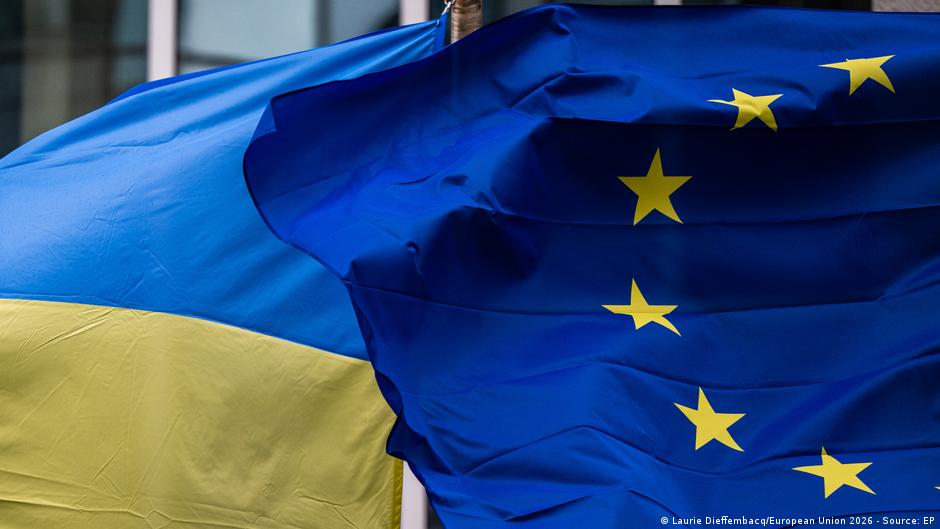
The Council of the European Union has extended its military training mission supporting Ukraine for another two years, committing almost €300 million as Europe deepens its long-term investment in defense capacity and battlefield readiness.
The mandate of the EU Military Assistance Mission in support of Ukraine, known as EUMAM Ukraine, will now run until November 15, 2028. The EU will also establish a mission office in Ukraine to improve coordination with the country’s civilian and military authorities, according to a Council statement published on Monday, November 9.
More than 100,000 Ukrainian service members have been trained in EU member states through the mission since it was established in October 2022 at Kyiv’s request. EUMAM was created to strengthen Ukraine’s military capabilities, enabling the country to defend its territorial integrity and sovereignty and protect civilians from Russia’s armed aggression.
Expanded mandate highlights battlefield-driven innovation
The mission’s scope will be expanded to place greater emphasis on lessons learned from combat and on improving military training in support of Ukraine’s defensive capacity. For Europe’s venture capital and startup ecosystem, that battlefield-feedback focus is significant: it points to sustained institutional demand for technologies and operating models that can be incorporated into training, logistics, communications and defense planning.
The Council’s announcement does not allocate startup funding or identify technology suppliers. However, a longer mandate and a permanent presence in Ukraine may give defense innovators a clearer view of European priorities through 2028. For founders and investors active in dual-use technology, the central commercial question will be whether operational lessons can be converted into procurement requirements and scalable products without slowing deployment.
The mission will place greater emphasis on lessons learned from combat while strengthening military training for Ukraine’s defense.
EUMAM will continue working with partner countries outside the European Union, including the United States, the United Kingdom, Canada and Norway. Cooperation will also continue with NATO and the international Coalition of the Willing. That network broadens the potential relevance of technical standards and interoperability, areas that can determine whether a young defense company is able to move from a domestic pilot to contracts across several allied markets.
The almost €300 million mission budget is part of a wider set of European financial commitments connected to Ukraine’s defense. At the end of September, EU foreign policy chief Kaja Kallas said member states had agreed to unblock €6.6 billion from the European Peace Facility. Hungary had vetoed the release of those funds since 2023.
Of that amount, €4.7 billion is intended to reimburse EU countries for weapons and ammunition already supplied to Ukraine. A further €1 billion is designated for joint purchases of new weapons, while €900 million is earmarked to finance EUMAM. The figures indicate that training sits alongside replenishment and collective procurement in the EU’s defense spending structure.
Capital is moving across training, procurement and security
For venture investors, the structure of that spending matters as much as its scale. Reimbursement supports established supply, while joint procurement may create openings for companies able to meet shared military requirements. Training expenditure can also influence adoption by familiarizing personnel with systems, procedures and operational concepts before larger purchasing decisions are made.
The European Commission separately transferred €4.36 billion to Kyiv on November 5 under the Ukraine Support Loan program. Of that total, €658 million was allocated for Ukraine’s defense needs. No portion was specifically identified for venture capital, acquisitions or startup programs, but the funding adds to the pool of public resources supporting a defense market in which established contractors and emerging technology companies may compete or collaborate.
The policy direction could also affect mergers and acquisitions. Extended government commitments can make defense and dual-use startups more strategically relevant to larger contractors seeking technology, specialist teams or faster access to new capabilities. The Council’s decision itself does not announce any transactions, and procurement access will remain more important than headline budget figures for determining which companies can build durable revenue.
Meanwhile, the first joint military exercises involving members of the Coalition of the Willing began in Poland on November 9 under French and British leadership. Around 2,800 service members from 11 countries, including Germany, are participating. The exercises, scheduled to continue until November 22, are intended to test mechanisms for providing Ukraine with long-term security after the war ends.
Taken together, the extended EUMAM mandate, the European Peace Facility allocations, the Ukraine Support Loan disbursement and the multinational exercises show that European planning is moving beyond immediate assistance toward longer-term defense infrastructure. For the innovation ecosystem, the opportunity will depend on whether governments connect battlefield experience, training programs and multinational purchasing with procurement routes that startups can realistically navigate.
The result is not a direct venture funding package, but a longer investment horizon for Europe’s defense economy. Startups still face certification, security and contracting barriers, while investors must distinguish between announced public budgets and revenue that companies can actually secure. Yet the extension through 2028 gives founders, strategic buyers and venture funds a firmer timeline around which to assess products, partnerships and potential consolidation.



