German-Polish Defense Pact Opens New Path for European Tech
Berlin and Warsaw aim to turn their 2026 defense accord into an action plan spanning industrial capacity, cybersecurity and advanced technology.
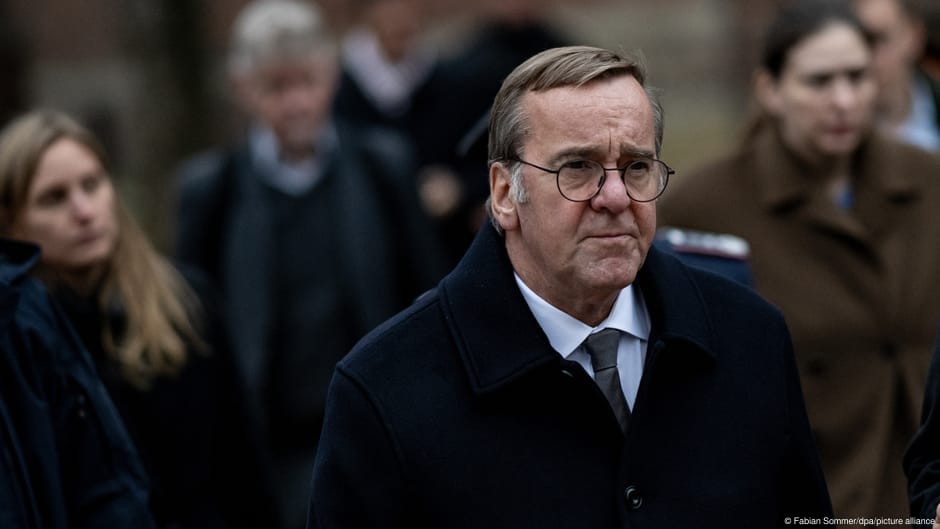
Germany and Poland plan to define the practical measures underpinning their bilateral defense agreement before intergovernmental consultations scheduled for January 2027, potentially creating new opportunities for defense technology startups, industrial suppliers and investors across Europe.
German Defense Minister Boris Pistorius announced the timetable after meeting his Polish counterpart, Wladyslaw Kosiniak-Kamysz, in Warsaw on Thursday evening, November 19. The countries signed the agreement in June 2026 and now intend to complete an action plan that will allow them to begin implementing its next steps immediately after the January talks.
“This will strengthen close cooperation between the armed forces and enable us to jointly assume responsibility for Europe,” Pistorius said.
Kosiniak-Kamysz said the two governments particularly want to expand cooperation between their defense industries. Joint initiatives involving companies are intended to make Europe less dependent on other continents, stabilize supply chains and ensure sufficient weapons production.
Industrial cooperation could widen the market
Although the ministers did not announce procurement budgets, investment vehicles or individual corporate projects, the priorities they identified are relevant to Europe’s expanding defense innovation ecosystem. Cross-border industrial programs can create demand not only for established manufacturers but also for startups developing cybersecurity tools, advanced technologies, logistics systems, dual-use software and components for resilient supply chains.
The agreement could also encourage partnerships between German and Polish companies. For venture-backed businesses, participation may depend on whether the forthcoming action plan creates accessible procurement channels, common technical requirements and opportunities to test products with military users. For larger defense groups, closer bilateral coordination could provide a basis for supplier agreements, strategic investments or acquisitions of specialized technology companies. No such transactions were disclosed at the Warsaw meeting.
The operational relationship is already substantial. Reuters reported that, as part of the Grand Eagle exercise, the Bundeswehr is moving more than 2,000 service members, around 50 tracked vehicles and 650 wheeled vehicles through Poland. Germany is also supporting Poland’s air defenses with Patriot missile systems and Eurofighter aircraft. Since the summer, engineering units from the two countries have jointly constructed defensive positions.
That activity highlights the scale of the logistics, interoperability and infrastructure requirements surrounding cooperation on NATO’s eastern flank. Technologies that improve deployment planning, secure communications, maintenance, air defense integration and supply-chain visibility may become increasingly important as the two countries translate political commitments into recurring military operations.
Cybersecurity and advanced technology remain central
Germany and Poland first pledged on June 17 to broaden cooperation and deepen military coordination in response to the threat from Russia. On the same day, their defense ministers signed a new military agreement in Warsaw focused on protecting NATO’s eastern flank.
Pistorius said at the time that the countries were assuming responsibility for their future in Europe. Kosiniak-Kamysz said the accord opened new possibilities for cooperation in cybersecurity and advanced technologies—areas where specialist startups and growth-stage companies often complement the capabilities of major contractors.
Germany and Poland are both NATO allies and European Union members. At the German-Polish Forum in Berlin, German Foreign Minister Johann Wadephul and Polish Foreign Minister Radoslaw Sikorski connected the partnership to the countries’ historical responsibilities.
“Mindful of the tragic history of the 20th century, we bear a special responsibility for our region and our continent—as NATO allies and partners in the European Union,” they said.
The emphasis on European industrial independence also aligns defense policy with a broader debate over technological sovereignty. More dependable regional production could support investment in manufacturing capacity and specialized suppliers, while common German-Polish initiatives may give emerging companies a larger addressable market than national programs alone. The commercial impact, however, will depend on the detailed plan due before the January consultations.
Historical responsibility frames the partnership
The Warsaw talks also addressed the growth of extremist and nationalist movements in many European countries. Pistorius raised the issue both during the current meeting and on an earlier visit to the memorial at the former Nazi concentration and extermination camp Auschwitz-Birkenau.
“We know that nationalism has never been the solution to problems and has almost always become the cause of much more serious problems,” Pistorius said in Warsaw.
At Auschwitz on November 19, the German minister described Germany’s actions as the “greatest rupture of civilization in human history.” He said the current generation bears a major responsibility to ensure that such events are never repeated. Pistorius planned to visit additional Warsaw memorial sites connected to the tragedies of the Second World War on November 20.
That historical framing gives the defense accord a political dimension extending beyond procurement and military readiness. For the innovation sector, the immediate milestone is the January 2027 consultation, when Berlin and Warsaw expect to have a fully developed implementation plan. Its treatment of industrial collaboration, cybersecurity and advanced technology will determine how far the agreement translates into concrete openings for startups, investors and potential strategic partners.



