Italian PM Meloni Condemns Russian Propaganda Amid Media Insults, Impact on EU-Italy Ties
Italy's Prime Minister Giorgia Meloni publicly addresses hostile Russian media rhetoric, signaling political resilience that influences EU relations and investment climate.
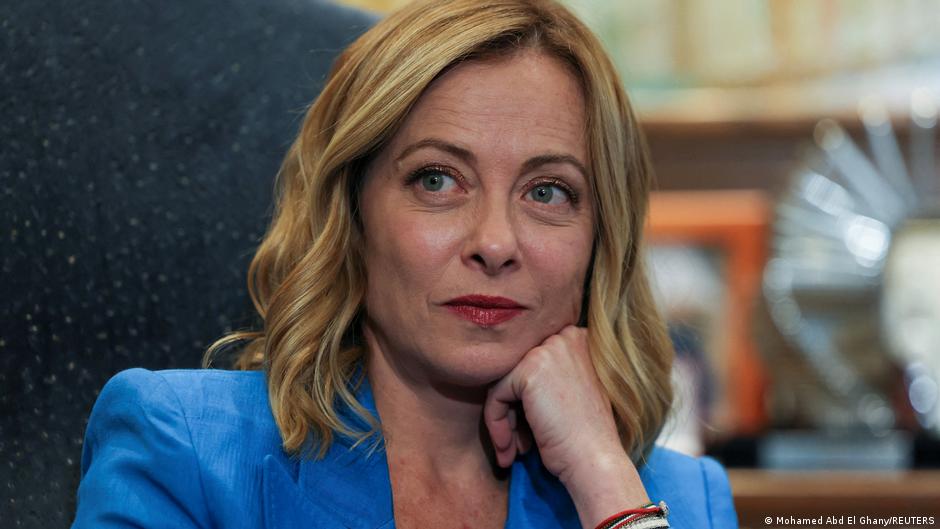
Italian Prime Minister Giorgia Meloni issued a firm public statement criticizing the Russian state propaganda apparatus after inflammatory remarks by Russian TV host Vladimir Solovyov directed at her. This episode has fueled discourse in Italy about the impact of geopolitical tensions on the country's political and economic landscape, including implications for the tech startup ecosystem and venture capital climate.
Political Resilience Amid Geopolitical Tensions
On the evening of April 21, Meloni posted on social media about the "diligent propagandists of the regime," responding implicitly to Solovyov's widely publicized insults against her. She emphasized Italy's sovereign decision-making, stating, "Unlike others, we are dependent on no one, have no masters, and take no orders. We have only one guide: the interests of Italy. And we will proudly follow it despite protests from propagandists worldwide." Her statement avoided direct reference to the exact provocations but underscored Italy's independent stance amid external pressures.
Earlier that day, Italy's Foreign Minister Antonio Tajani summoned the Russian ambassador to formally protest Solovyov’s offensive declarations. The Russian TV host had described Meloni as a "fascist creature who betrayed her voters" and a "disgrace to humanity," adding that betrayal was practically her "second name." These remarks, delivered in both Russian and Italian on live broadcast, sparked outrage in Italian political circles and media.
Major Italian news outlets such as La Repubblica, Domani, Sky Italia, and ANSA extensively covered the incident, reflecting the broader national attention on the diplomatic friction.
"We do not depend on anyone, have no masters, and take no orders. Our sole guide is Italy’s interests." — Giorgia Meloni
Support for Meloni came swiftly from various Italian political figures, including President Sergio Mattarella, who condemned the language as "vulgar," and former Prime Minister Giuseppe Conte, who called the insults "indescribable." Leaders across the political spectrum, such as Barbara Floridia and Mariastella Gelmini, also denounced the comments as unacceptable. The Democratic Party leader Elly Schlein publicly backed Meloni.
Implications for Italy’s Innovation and Investment Environment
This high-profile diplomatic incident highlights the ongoing geopolitical complexities that Italy must navigate. For the technology and startup sectors in Italy, political stability and international relationships are crucial for attracting venture capital and fostering innovation.
Meloni's declaration of autonomy and prioritizing Italian interests signals a government keen to maintain sovereign control over its economic and strategic decisions, which may reassure domestic and international investors wary of geopolitical risks. However, the strained relations with Russia also emphasize the need for Italian startups to diversify their markets and funding sources to mitigate external shocks.
As Italy continues to strengthen ties within the European Union and with other global partners, the government’s firm stance against hostile propaganda could enhance its credibility and political capital in negotiating trade, technology cooperation, and investment deals that benefit the local innovation ecosystem.
In summary, the episode reflects the intersection of international political dynamics and the domestic economic environment, with implications for venture capital flows, mergers and acquisitions, and the broader innovation ecosystem within Italy and Europe.