Kyiv Bridge Strikes Raise New Risks for Ukraine’s Startup Ecosystem
Attacks on critical crossings in Kyiv and the Kerch Strait are adding operational and investment risks for Ukraine’s technology sector.
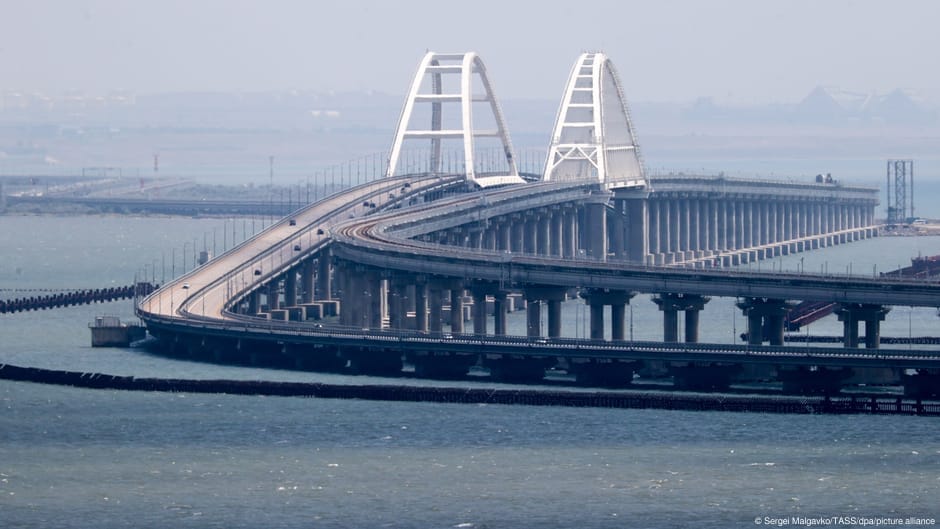
Russian forces launched another large-scale wave of strikes against Ukraine overnight on Tuesday, November 17, with Kyiv among the principal targets and two strategically important bridges across the Dnipro River reportedly hit by ballistic missiles. Ukraine, meanwhile, again attacked the bridge across the Kerch Strait connecting Russian-annexed Crimea with Russian territory.
The disruption highlights the infrastructure risks facing Ukraine’s startup and innovation ecosystem. Technology companies operating in Kyiv depend on reliable transport, public utilities and access to employees, while investors assessing Ukrainian startups must increasingly account for business continuity, distributed teams and the resilience of critical infrastructure.
Social media users published photographs and videos showing at least one explosion near Kyiv’s Northern Bridge. Local Telegram channels also reported interruptions to water and heating supplies in districts on the left bank of the Dnipro.
Kyiv Mayor Vitali Klitschko gave preliminary confirmation that the Northern and Southern bridges had been hit and acknowledged water and heating disruptions in parts of the capital. He issued only brief notices and provided no further details.
Transport disruption tests business continuity
Kyiv Metro said on the morning of November 17 that service had stopped on the section of the green line that crosses the Dnipro using the Southern Bridge. Municipal authorities said traffic across both the Northern and Southern bridges had been temporarily suspended.
For Kyiv’s technology sector, even temporary closures can complicate commuting between the two banks of the river, restrict access to offices and infrastructure, and reinforce the need for remote operations. The immediate effect on individual startups, venture funds or technology facilities was not specified by officials, and no direct financial losses for the sector were reported.
Russian forces have repeatedly targeted transport crossings in Kyiv since the beginning of October 2026. In response, city authorities have begun examining alternative routes across the Dnipro. Ukrainian Restoration, Infrastructure and Transport Minister Mykola Kalashnyk previously said that officials were considering pontoon crossings and, over the longer term, construction of a tunnel beneath the river.
The renewed pressure on major crossings places infrastructure resilience alongside capital access and talent retention as a central operating concern for Ukraine’s innovation economy.
Any long-term tunnel project would represent a major infrastructure undertaking, although no cost, schedule or procurement framework was provided. For startups and investors, the discussion nevertheless signals potential demand for technologies related to construction, logistics, energy resilience, communications and urban continuity. The source reported no announced venture funding, contracts or mergers and acquisitions connected to those plans.
Kerch Strait attack adds to regional logistics uncertainty
Sergey Aksyonov, the Russian-installed head of annexed Crimea, reported overnight that the bridge across the Kerch Strait had come under attack. Aksyonov said traffic across the Crimean Bridge had been suspended and promised updates as the situation developed, but he had provided no further information several hours after the attack.
The bridge had also been attacked the previous night, with vehicle traffic across the crossing closed until the evening of November 16. Telegram channels Astra, Mash and Exilenova+ reported that one of the bridge’s arches had been damaged. That claim had not been officially confirmed.
Repeated disruptions to the crossing add another layer of uncertainty to regional transport and supply routes. For companies and capital providers exposed to the wider Black Sea region, interruptions can affect assumptions about logistics, insurance, operational security and the timing of transactions. No specific impact on startup financing, technology-sector M&A or individual companies was disclosed.
The Crimean Bridge has been attacked repeatedly by Ukrainian forces since Russia began its full-scale invasion of Ukraine, with some incidents causing serious damage. The first such incident occurred in October 2022 and the second in July 2023.
In June 2025, the Security Service of Ukraine said it had conducted an underwater operation to blow up the structure’s supports. No significant consequences from that operation were subsequently reported.
The latest attacks demonstrate how physical infrastructure remains a key variable for Ukraine’s entrepreneurial economy. Kyiv continues to function as a major center for technology talent and company formation, but the repeated targeting of transport links may require startups to maintain decentralized workforces, redundant utilities and flexible logistics. Those requirements can raise operating complexity while also creating opportunities for innovation focused on resilience. The reported events did not include new funding rounds, acquisitions or company closures, but they may influence how investors evaluate risk and continuity across the market.



