Kyiv Missile Strike Highlights Operational Risk for Ukraine’s Startup Sector
A Russian ballistic missile strike killed a 21-year-old woman, injured three people and damaged buildings and metro infrastructure in Kyiv.

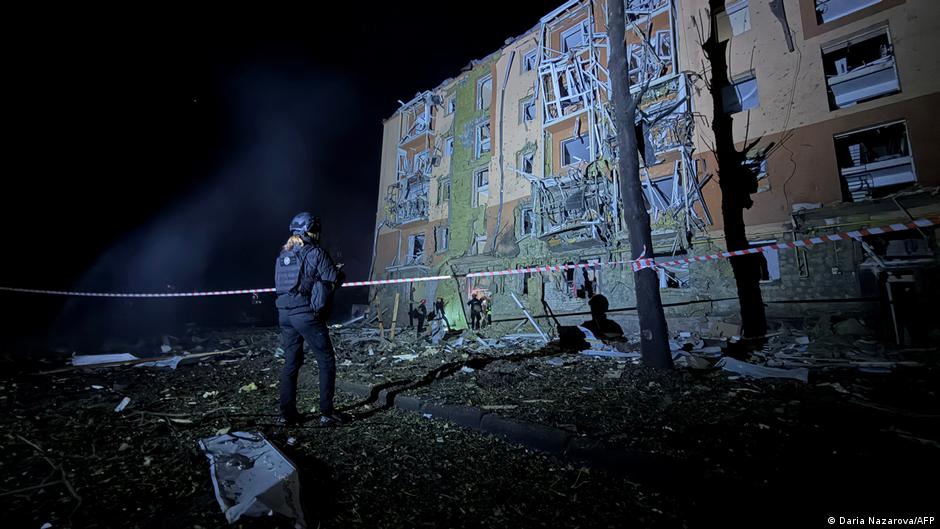
A Russian missile strike hit Kyiv on the evening of October 18, killing a 21-year-old woman and injuring three other residents, according to the Ukrainian capital’s authorities. The attack also damaged several buildings and part of the city’s metro infrastructure, underscoring the physical and operational risks facing companies, investors and technology workers based in Kyiv.
Kyiv Mayor Vitali Klitschko reported the casualties and said impacts were recorded across three districts of the capital. Preliminary information indicated that a medical center building was struck in the Desnianskyi district. A non-residential building was hit in the Dniprovskyi district, while the first floor of a 25-story residential building was struck in the Solomianskyi district.
The Ukrainian Air Force said on the evening of October 18 that Kyiv had been attacked with a ballistic missile. The available official statements did not identify the specific missile type or provide an assessment of the wider economic damage.
Transport infrastructure damaged
One of Kyiv’s metro stations on the left bank of the Dnipro River was also damaged, Klitschko said. Falling debris caused a break in the rails, adding transport disruption to the human and structural toll of the attack.
For Kyiv’s startup and venture capital ecosystem, damage to public transport and buildings represents more than an immediate logistical problem. Technology businesses depend on employees’ ability to travel safely, access workplaces and maintain operations during emergencies. A damaged metro connection can complicate commuting and business continuity even when company offices are not directly affected.
The reported impact on a medical center is also relevant to founders and investors working in health technology and other essential-service sectors. Physical facilities remain critical to the delivery of many digitally enabled services, meaning that software operations can still be exposed when medical, transport or communications infrastructure is damaged. The strike illustrates how infrastructure risk can extend through the networks on which startups and their customers rely.
Investment decisions face persistent security risk
Missile attacks can affect how venture investors evaluate Ukrainian companies, particularly when reviewing operational resilience, employee safety and dependence on facilities located in major cities. The October 18 strike does not by itself establish any change in funding activity, company valuations or dealmaking. No startup, venture fund, financing round or acquisition was identified in the authorities’ accounts of the attack.
Nevertheless, the damage described by Kyiv officials highlights the issues that technology companies may need to address when seeking capital. Investors assessing businesses operating in the capital may examine contingency planning, distributed teams, backup systems and the ability to continue serving customers during transport or building disruptions. Those considerations may become part of due diligence alongside conventional measures such as revenue, growth and product development.
The immediate toll was human: a 21-year-old woman was killed and three other Kyiv residents were injured.
That human cost remains the central consequence of the strike. For founders and employees, operational continuity cannot be separated from personal security, housing and access to essential services. The reported hit on the first floor of a high-rise residential building shows how an attack can affect the places where workers and their families live, even when commercial premises are not the direct target.
Implications for startups and M&A
In venture funding and mergers and acquisitions, security-related disruptions can influence risk reviews without necessarily stopping transactions. Potential investors or buyers may seek a clearer understanding of where teams, equipment and data are located, as well as how a company would respond if access to an office or transport route were interrupted.
The official reports provide no evidence that the October 18 attack directly affected a technology startup or an M&A process. Its significance for the innovation economy is therefore broader: it demonstrates the operating environment surrounding Kyiv-based businesses and the infrastructure on which they depend.
As emergency authorities assess the affected sites, the confirmed details remain limited to the fatality, three injuries, impacts in the Desnianskyi, Dniprovskyi and Solomianskyi districts, and damage to a metro station and its rails. For the venture community, the episode is another reminder that assessments of Ukrainian innovation must account for both the capabilities of local companies and the continuing physical risks around them.