Lipetsk Industrial Fires Highlight Rising Risk for Russia’s Tech Ecosystem
Reported strikes on industrial sites underscore growing operational and investment risks across Russia’s dual-use technology supply chains.
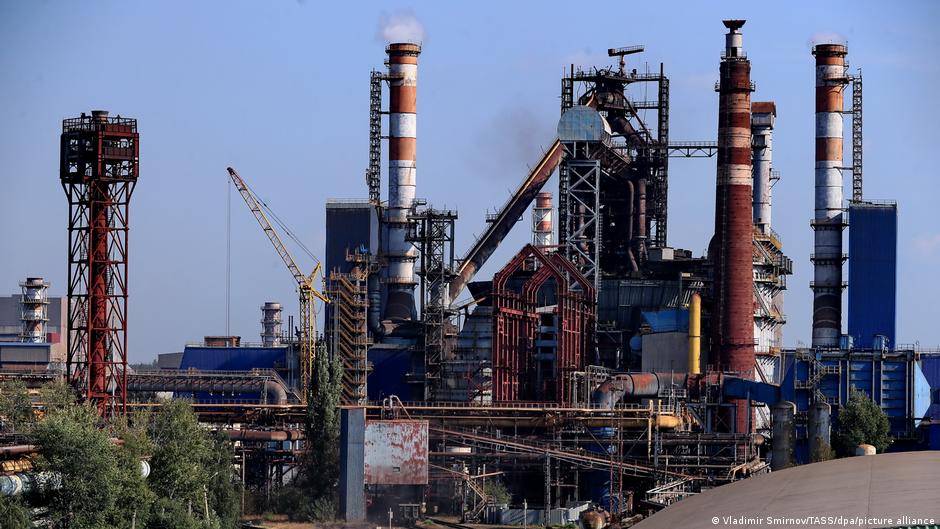
Fires were reported at major industrial facilities in Russia’s Lipetsk and Tula regions following Ukrainian attacks, highlighting the mounting physical and financial risks facing manufacturers embedded in the country’s defense-linked technology ecosystem.
Ukrainian monitoring channel Exilenova+ said the Novolipetsk Metallurgical Plant, or NLMK, was burning after Lipetsk came under attack by jet-powered drones of the Armed Forces of Ukraine during the night of Wednesday, October 28. According to the channel’s preliminary open-source intelligence analysis, a fire broke out near the steelworks during the strikes, including as a result of local air-defense activity. The facility was also targeted by Ukrainian attacks in 2024.
Reports of damage at NLMK could have broader significance for technology companies and industrial startups that rely on stable access to metals, fabricated components and logistics infrastructure. No assessment of production disruption, financial losses or supply-chain effects was available at the time of publication, and the reported fire had not been confirmed by Russian regional authorities.
Military Airfield and Chemical Plant Reported as Targets
Exilenova+ also reported strikes near a military airfield in Lipetsk. The channel said missile alerts had sounded in several Russian regions and that air defenses operated over Lipetsk against jet-powered targets. It cited preliminary information indicating impacts and a fire in the airfield area.
“There is preliminary information about impacts and a fire in the area of the airfield,” Exilenova+ said in one of its reports.
The monitoring channel published photographs and videos supplied by witnesses that it said showed Russian air defenses in operation. According to its analysis, one video captured explosions involving 30-millimeter shells fired by automatic antiaircraft guns belonging to a Russian Pantsir air-defense missile and gun system. Exilenova+ said the firing did not produce any hits.
Later, citing local residents, the channel reported an attack and subsequent fire at the Azot chemical plant in Novomoskovsk, in the Tula region. It did not provide further details. Ukraine’s Foreign Intelligence Service has said the facility supplies nitric acid to the Sverdlov plant in Dzerzhinsk, in the Nizhny Novgorod region, which manufactures explosives.
The General Staff of the Armed Forces of Ukraine, Ukraine’s Defense Ministry and the Lipetsk regional authorities had not commented on the reported attacks at the time of publication. Tula Governor Dmitry Milyaev said air-defense units were repelling a drone raid over the region. He wrote on Telegram that apartment buildings, private homes and infrastructure in an adjacent industrial zone had been damaged in Novomoskovsk.
Dual-Use Supply Chains Face Repeated Disruption
The latest reports follow an October 25 Ukrainian strike on what the Lipetsk governor described as Russia’s largest battery manufacturing plant, located in Yelets in the Lipetsk region. Governor Igor Artamonov did not identify the company or disclose the extent of the damage.
OSINT analysis by the publication Astra identified the target as the Energia plant in the Yelets industrial zone. The facility produces batteries for Russian drones, a range of missile systems and other weapons used extensively by the Russian military in its war against Ukraine.
Exilenova+ said several Storm Shadow missiles were used in that attack. The channel reported at least two impacts across two buildings and claimed that one production building sustained extensive destruction. The following day, Ukraine’s General Staff confirmed that the facility had been hit and damaged, although it did not name the weapon used. Before the October 25 strike, Energia had already been targeted five times by Ukrainian forces.
For investors assessing startups in advanced manufacturing, robotics, drones, energy storage and industrial software, repeated attacks on factories illustrate a risk environment extending beyond individual defense contractors. Companies serving dual-use markets may depend on concentrated production sites, specialized chemical inputs and industrial infrastructure that can be difficult to replace quickly.
The reports also carry potential implications for venture funding and mergers and acquisitions involving Russian industrial technology businesses. Persistent operational uncertainty can complicate due diligence, insurance, valuations and forecasts of manufacturing capacity. Strategic buyers may place greater emphasis on geographically distributed production, alternative suppliers and business-continuity systems, while startups could face higher costs when attempting to scale hardware products.
At the same time, the incidents may increase demand for air-defense technology, infrastructure monitoring, factory automation and supply-chain resilience tools. Any effect on startup investment or dealmaking remains uncertain, however, because officials had not provided verified damage estimates or information about production stoppages at the reported sites.



