Lufthansa Cancels 20,000 Flights to Save Fuel Amid Energy Crisis Impacting Aviation Startups
Lufthansa’s extensive flight cancellations aim to conserve over 40,000 tons of jet fuel, reflecting broader energy challenges affecting aviation and tech startup ecosystems.
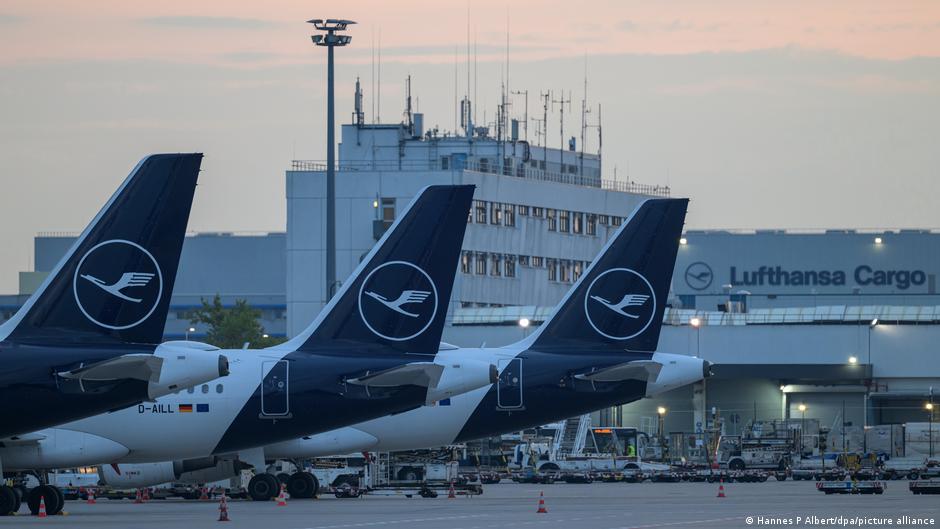
Germany’s flagship carrier Lufthansa has announced a sweeping plan to cancel 20,000 flights between June and October 2026 in a strategic move to save over 40,000 tons of aviation fuel. This decision underscores the profound impact of the ongoing energy crisis, exacerbated by geopolitical tensions in the Middle East, on the aviation industry and its adjacent technology and innovation sectors.
Fuel Efficiency Measures Amid Global Energy Volatility
The unprecedented scale of flight cancellations is primarily aimed at addressing soaring energy costs triggered by the war involving the US, Israel, and Iran. Lufthansa’s management expects the reduction to cut fuel consumption significantly while minimizing disruption to passenger capacity. The carrier projects that this will decrease its available seat kilometers by less than one percentage point.
According to Lufthansa, this efficiency will be achieved by trimming unprofitable short- and medium-haul routes from hubs in Frankfurt and Munich, while expanding operations in Zurich, Vienna, Brussels, and Rome. The cancellations, already underway for flights through May, reflect a careful rebalancing of network offerings to maintain profitability in a challenging market.
"By strategically adjusting our flight network, Lufthansa aims to sustain operational efficiency with minimal passenger impact while addressing critical fuel supply constraints," the company stated.
Implications for the Aviation Tech and Startup Ecosystem
Lufthansa’s actions signal a broader ripple effect on the aviation technology sector and startups reliant on stable airline operations and fuel cost predictability. The accelerated retirement of aging aircraft models such as the Canadair CRJ fleet and plans to phase out some Airbus A340-600 and Boeing 747-400 planes reflect a push toward modernizing fleets with more fuel-efficient technologies. This transition creates opportunities for startups innovating in sustainable aviation fuels, electric propulsion, and aircraft efficiency improvements.
Additionally, the cancellations and route restructurings are likely to impact ancillary technology providers specializing in flight scheduling, operational analytics, and customer experience optimization. Venture capital firms focused on aviation tech should monitor such shifts closely, as airlines pivot to more resilient and sustainable business models.
The energy crisis is not isolated to Lufthansa alone—other European carriers such as SAS Scandinavian Airlines and Air France-KLM are implementing fuel surcharges and canceling flights, further signaling structural disruptions in the market. These changes may accelerate consolidation and M&A activity, offering strategic investment possibilities in the aviation ecosystem.
Outlook and Innovation Opportunities
As the European Commission prepares to unveil measures addressing the energy crisis, airlines and related tech innovators may find heightened incentives to invest in energy-saving technologies and alternative fuels. The aviation sector’s response to geopolitical energy shocks highlights the urgent need for innovation in fuel efficiency and sustainability—areas ripe for startup innovation and venture capital investment.
For technology startups and investors in the aviation space, Lufthansa’s fuel-saving strategy exemplifies the shifting landscape driven by external shocks and operational recalibrations. Firms offering cutting-edge solutions that reduce fuel dependency or enhance operational flexibility will likely play a critical role in shaping the future of air travel.