Macron’s Ukraine Push Tests Europe’s Fiscal and Innovation Priorities
Diverging positions on Ukraine aid could reshape European investment in defense technology, energy resilience and dual-use startups.
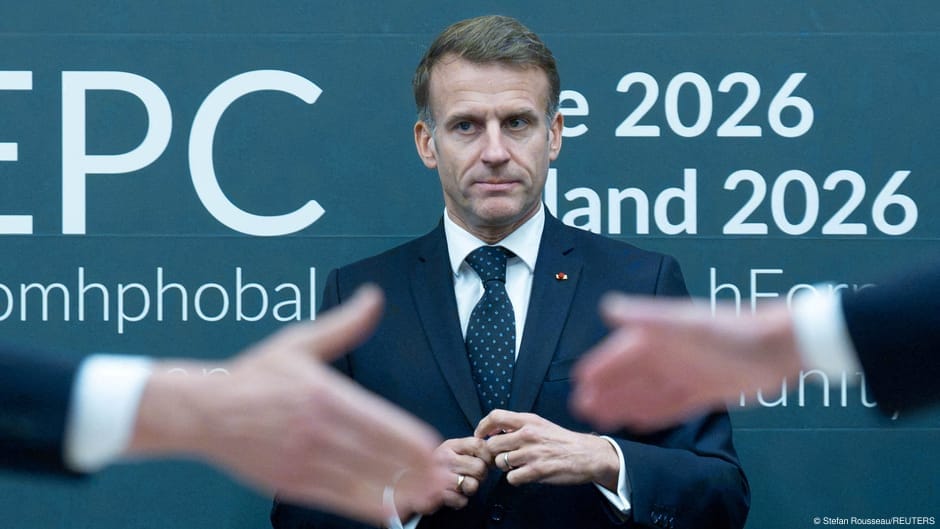
French President Emmanuel Macron has criticized calls to limit further assistance to Ukraine, arguing that a settlement imposed by force would weaken not only Kyiv but Europe as a whole. His intervention comes as European governments confront widening disagreements over how to finance Ukraine’s defense while managing national deficits and historically high security spending.
For Europe’s venture capital and startup ecosystem, the debate extends beyond government aid. The durability of political support for Ukraine will influence public procurement, defense-technology investment and demand for innovation in cybersecurity, energy resilience, logistics, medical technology and other dual-use sectors. It may also affect how investors assess geopolitical risk across the continent.
Macron published his comments on X on Saturday, November 14, following European meetings in Dublin. He said opponents of continued support were effectively seeking to force Ukraine into an unjust peace that would leave the country vulnerable over the long term and, by extension, expose the rest of Europe.
“This is the spirit of defeatism. This is a direct path to the next war,” Macron wrote.
According to the French president, the war in Ukraine was the central subject at the ninth European Political Community summit on November 12 and an informal summit of European Union heads of state and government on November 13.
Security commitments meet fiscal constraints
Macron said European leaders had agreed on two priorities: helping Ukraine through the winter and continuing joint efforts toward what he described as a just and lasting peace. Europe must play the most active possible role, he argued, because the continent’s security depends on the outcome.
That position contrasts with signs of growing fiscal caution among some EU governments. On November 13, Polish Prime Minister Donald Tusk said in Dublin that Poland would suspend contributions to the PURL program, under which European countries purchase American weapons for Ukraine.
Tusk cited Poland’s large budget deficit and Warsaw’s high defense expenditure. He said Poland had provided, and continued to provide, substantial assistance to Ukraine, but would not commit additional funds given its financial capacity and its own defense and security costs, which he described as among the highest in Europe.
Bulgarian Prime Minister Rumen Radev made a similar statement in Dublin. Addressing discussions over a new loan for Kyiv, he said Bulgaria was not currently able to provide financial assistance to Ukraine. He also noted that the EU had opened an excessive-deficit procedure concerning Bulgaria.
Radev said Bulgarian authorities would consider participation only if funding were directed toward humanitarian assistance, energy supplies and medical needs rather than weapons purchases.
For startups and investors, these positions highlight a central uncertainty in Europe’s emerging defense-innovation market: strategic demand may be strong, but national budgets and political priorities determine how quickly that demand becomes signed contracts. A fragmented funding environment can make revenue forecasting more difficult for young companies that depend on government procurement or multinational programs.
NATO vision could reinforce dual-use investment
Macron separately argued that Ukraine deserves a place in NATO, describing it as possessing Europe’s strongest conventionally armed military. He said Kyiv, together with the alliance, plays a key role in Europe’s security architecture.
The French president called for European leaders to go further by clearly setting out their vision for the postwar order, including to Russia. He also said Europe should define what it expects from the United States regarding the continent’s long-term security.
Greater clarity on Ukraine’s potential NATO role and the future balance of European and US commitments could carry significant consequences for private capital. Long-term security frameworks can shape procurement priorities, technical standards and cross-border partnerships, all of which matter to founders building products for military and civilian use.
The policy debate also reaches beyond weapons. Bulgaria’s emphasis on humanitarian aid, energy and medical needs points to other areas where startups could contribute, including resilient power systems, emergency healthcare, infrastructure protection and supply-chain technology. These markets may remain politically viable even in countries that are reluctant to finance arms purchases directly.
Macron’s remarks therefore frame continued support for Ukraine as an investment in European security, while the Polish and Bulgarian positions expose the budget pressures that could limit collective action. For venture investors, the gap between strategic ambition and fiscal capacity will be critical. It will help determine which technologies receive public backing, where consolidation or cross-border partnerships become necessary, and whether Europe can translate heightened security needs into a durable innovation ecosystem.



