NATO Intercepts Russian Military Aircraft Over Baltic Sea Amid Heightened Tensions
NATO jets intercepted multiple Russian bombers and fighters over the Baltic Sea, as Moscow declares the flights routine over international waters.
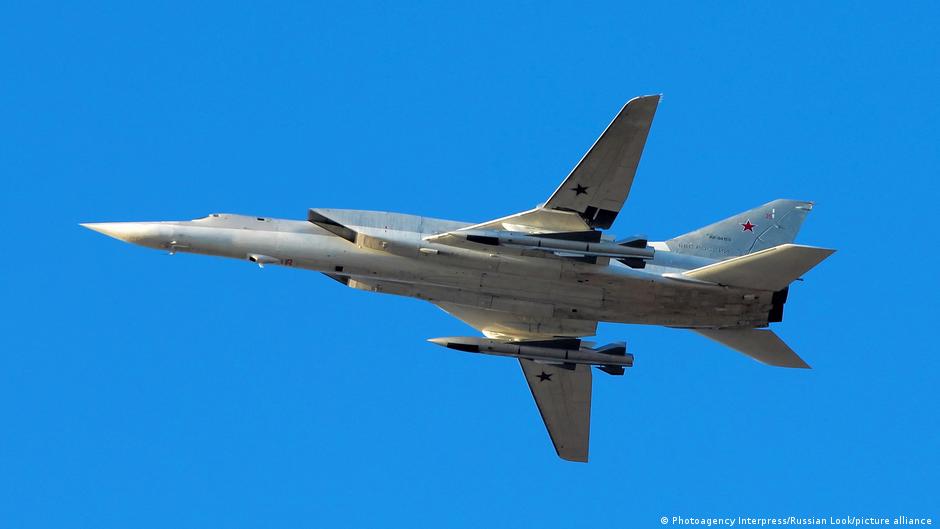
On April 20, NATO forces intercepted a formation of Russian military aircraft, including strategic bombers and fighters, flying over the Baltic Sea. The Russian Ministry of Defense stated the mission was a planned operation conducted over neutral waters, while NATO member states coordinated an airborne response to monitor the flights closely.
Implications for Regional Security and Defense Technology
French Rafale fighters, alongside aircraft from Sweden, Finland, Poland, Denmark, and Romania, were scrambled to intercept the Russian group. The formation included supersonic Tu-22M3 missile carriers and advanced Su-30 and Su-35 fighters. According to French military command, two Tu-22M3 bombers were accompanied sequentially by roughly ten Su-30 and Su-35 fighters during the operation. A journalist from Associated Press witnessed two Rafale pilots taking off from Šiauliai Air Base in Lithuania to carry out the intercept mission.
Russia maintains that the long-range Tu-22M3 bombers flew for over four hours accompanied by Su-35 fighters and insists all flights were conducted in accordance with international aviation regulations. The Russian Ministry of Defense also acknowledged that the bombers were at times shadowed by foreign fighter jets along certain segments of their route.
"On some segments of the route, the long-range bombers were accompanied by foreign state fighters," the Russian Ministry of Defense stated.
Lithuanian defense authorities reported multiple intercepts of Russian aircraft violating flight protocols between April 13 and 19. Incidents included deactivated transponders, failure to file flight plans, and lack of communication with air traffic controllers. These actions have raised concerns within NATO about Russia's operational practices in the Baltic region.
Impact on the Technology and Innovation Ecosystem
Such military maneuvers and heightened tensions have broader implications beyond geopolitics, particularly affecting the regional technology and defense startup ecosystem. The increased need for advanced surveillance, electronic warfare, and aviation technologies fuels demand for innovation in aerospace and defense sectors.
Venture capital investors are closely monitoring defense spending and procurement trends as NATO countries ramp up capabilities to counter perceived threats. This environment creates opportunities for startups specializing in radar systems, secure communications, autonomous drone technology, and cyber defense solutions.
Moreover, multinational collaborations among NATO members foster cross-border partnerships and technology sharing, accelerating innovation cycles. However, geopolitical tensions and military incidents can also disrupt supply chains and international cooperation, posing risks for emerging tech ventures reliant on global markets.
As NATO continues to respond dynamically to Russia's military activities in the Baltic region, the evolving security landscape underscores the strategic importance of technological advancement and venture funding in defense sectors.