Russian Conscript Death Toll Adds to Startup and Investment Risks
At least 350 Russian conscripts have died in the war, highlighting demographic and policy pressures affecting the country’s innovation economy.
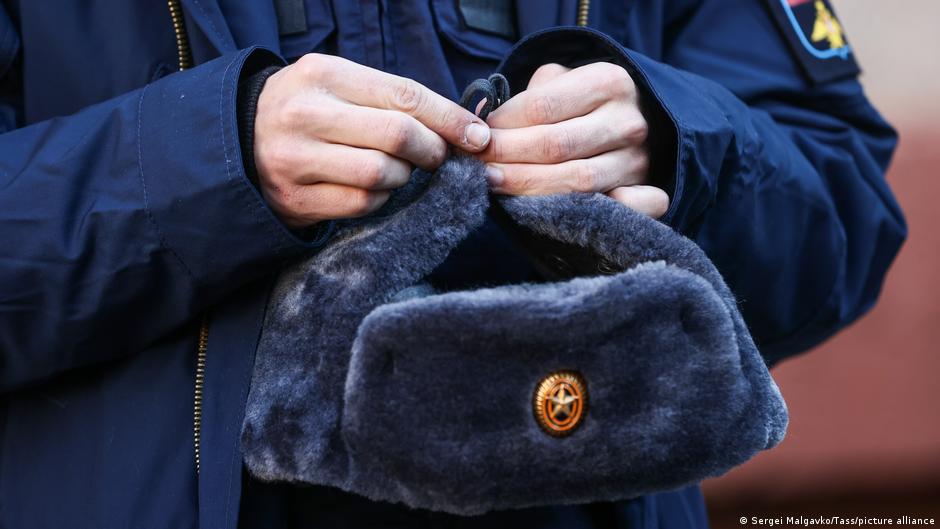
At least 350 Russian soldiers serving compulsory military duty have died during Russia’s full-scale invasion of Ukraine, according to a verified count by Mediazona, the BBC Russian Service and a team of volunteers. Russian authorities officially deny sending conscripts to fight in the war.
The investigation found that at least 60 conscripts died during the Ukrainian armed forces’ incursion into Russia’s Kursk region in August 2024. The findings, reported on Friday, November 6, add detail to the human cost of the conflict and highlight the uncertainty surrounding the status of young Russians performing mandatory military service.
For Russia’s technology startups and venture capital market, the figures carry implications beyond the military sphere. Compulsory service, wartime recruitment and the risk of pressure to sign military contracts affect the same younger demographic from which startups recruit software developers, engineers and other early-career specialists. The verified deaths represent only one part of a broader environment of demographic pressure and uncertainty facing founders, employees and investors.
Uncertainty Around Military Contracts
Russia’s Defense Ministry acknowledged several instances involving the presence of conscripts in February and March 2022, during the opening phase of the full-scale invasion. The government has nevertheless continued to officially deny that conscripted personnel are being sent to the war.
“The 350 people on our list are those who had conscript status at the time of death. A separate risk is pressure to sign a contract. They are often imposed through deception or violence,” Mediazona said.
The publication’s journalists also identified nearly 700 people who signed contracts with the Russian Defense Ministry while completing compulsory military service. It remains unknown whether those decisions were voluntary. The researchers currently do not classify those personnel as a separate group and count only confirmed conscripts, although they said that methodology could change in the future.
That distinction matters when assessing labor-market and investment risks. A conscript who signs a professional military contract may disappear from civilian employment data without being recorded as a conscript deployed to the conflict. For technology companies already operating in a constrained hiring market, incomplete information makes it harder to estimate workforce availability, employee retention and long-term recruiting costs.
Pressure on the Innovation Workforce
Early-stage companies are particularly exposed to sudden changes in staffing. Unlike larger corporations, startups often rely on small teams in which the loss or departure of a single engineer can delay a product launch, disrupt customer contracts or undermine fundraising plans. Military-service uncertainty can also influence where founders register companies, hire remote teams or locate intellectual property.
The confirmed deaths do not provide a direct measure of losses within the Russian technology sector, and the investigation does not identify the occupations of those killed. They nevertheless document risks affecting working-age men at a time when venture investors must evaluate whether portfolio companies can retain specialized staff and sustain operations through a prolonged conflict.
These pressures can shape financing and mergers and acquisitions in several ways. Investors may apply larger risk discounts to businesses dependent on Russia-based technical teams, while prospective acquirers may scrutinize staffing continuity, ownership structures and the location of key personnel more closely. Startups may respond by distributing development work across multiple jurisdictions, but that can increase legal, tax and compliance costs.
The same uncertainty may also influence the direction of innovation. Capital and technical talent can move toward sectors supported by wartime demand, while consumer, enterprise and internationally oriented startups face different operating constraints. The reported pressure on some conscripts to sign contracts adds another layer of unpredictability for young workers considering education, employment or entrepreneurship.
Broader Human and Economic Toll
An updated list compiled by journalists and volunteers puts the confirmed number of Russian military personnel killed in Ukraine at 285,881. That figure reflects individually verified deaths rather than an estimate of the total toll.
For venture capital firms, the central issue is not simply the headline number but the persistence of conditions that can reduce labor supply and complicate business planning. Startup valuations depend heavily on assumptions about future growth, access to talent and the ability to attract follow-on capital. Prolonged military mobilization risks can weaken each of those assumptions.
The findings also underscore the difficulty of conducting due diligence in a market where official statements and independently verified records diverge. Investors evaluating Russian-linked companies must account for data gaps surrounding personnel, military status and workforce continuity. As the verified casualty list expands, those human losses are increasingly inseparable from the outlook for Russia’s startup, venture funding and innovation ecosystem.



