Russia’s Libertarian Party Dissolves as ‘Foreign Agent’ Rules Bite
The shutdown highlights the growing regulatory and political risks facing Russia’s founders, investors and broader innovation ecosystem.
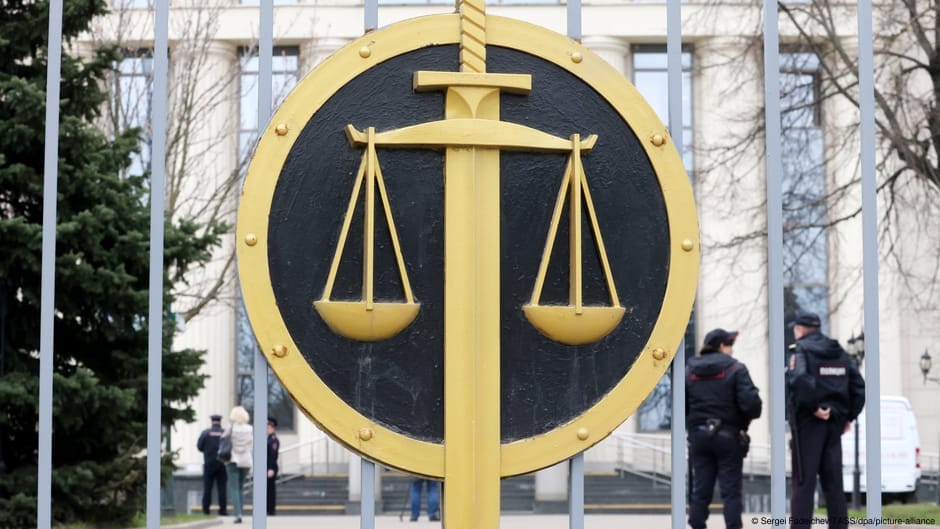
A branch of the Libertarian Party of Russia, or LPR, led by Sergei Karnavsky has voted to dissolve itself, saying its designation as a “foreign agent” makes continued operations incompatible with the safety of its members and supporters.
A majority of delegates backed the dissolution at a party congress held on Sunday, November 15, according to statements published on the LPR’s social media pages. The decision underscores how Russia’s expanding restrictions on political organizations can also affect the environment in which technology founders, venture investors and civil-society groups operate.
“We made this decision with a heavy heart, but with the understanding that we must ensure the safety of our members and supporters,” Karnavsky said.
“Unfortunately, the very existence of the party organization in its current form now appears difficult to reconcile with ensuring that safety,” he added, according to the LPR statement.
Karnavsky is expected to submit a formal notice to Russia’s Ministry of Justice. He will also seek to have the LPR removed from the foreign-agent register following the termination of the party’s activities.
Regulatory pressure reaches the innovation ecosystem
The LPR’s dissolution is principally a political development, but it carries implications for Russia’s startup and venture-capital landscape. Libertarian groups have historically advocated limited state intervention and digital freedoms, issues that overlap with the interests of technology entrepreneurs, private investors and online platforms.
The party’s participation in a 2018 rally opposing Russia’s blocking of Telegram illustrated that connection. The messaging service, founded by Russian-born entrepreneur Pavel Durov, had become a focal point in debates over internet regulation. Alexei Navalny was among the speakers at the April 2018 demonstration, which the LPR organized or helped organize.
For startups and venture funds, political and regulatory uncertainty can shape decisions about where to incorporate companies, hold intellectual property, recruit employees and pursue exits. The LPR case does not involve a disclosed financing round, acquisition or technology company. Its relevance to the sector instead lies in the broader signal it sends about organizational risk, particularly for groups associated with digital rights, political opposition or international networks.
The party applied for official registration with the Ministry of Justice in April 2008, but the application was rejected. Despite that refusal, the LPR could initially be regarded as part of the tolerated opposition because it did not openly criticize the Russian leadership’s political course. In 2012, its representatives attended a meeting with Dmitry Medvedev, then Russia’s president.
The party changed direction after significant leadership shifts. In 2017, it supported Navalny as a prospective presidential candidate. It subsequently participated in or organized several opposition demonstrations, including the protest against the Telegram ban.
Splits preceded pressure on both branches
Internal conflicts emerged within the LPR in 2018. One factor was the growing influence of Mikhail Svetov, a publicist and prominent libertarian speaker who had become one of the party’s most visible figures.
A definitive split occurred at the end of 2020. One branch was headed by Sergei Boyko, while another was associated with Svetov. Both retained the name Libertarian Party of Russia. The branch now led by Karnavsky was described by the Ministry of Justice as connected to the Boyko faction.
Members of both branches later faced increasing pressure in Russia, and many libertarians left the country. That outward movement fits a wider challenge for an innovation economy that depends on mobile founders, engineers and investors, although the party’s statement did not provide figures on departures or identify specific startups affected.
On July 17, 2026, the Ministry of Justice designated the Libertarian Party of the Russian Federation as a foreign agent. The ministry’s description suggested that the restrictions were directed at the LPR branch associated with Svetov. On July 22, that branch announced it was ending its activities.
One week after the first designation, the ministry’s regular Friday announcement of new foreign agents included another LPR entry. Its description referred to the Boyko-linked branch led by Karnavsky, setting the stage for the November dissolution vote.
The closure removes another organized political voice from debates that intersect with Russia’s technology sector, including platform access and the boundaries of state oversight. It also adds to the nonfinancial risks considered by founders and venture investors assessing long-term operations, cross-border funding and potential mergers or acquisitions involving Russian-linked assets.
No direct impact on a specific financing transaction or M&A process was announced. Still, the sequence—designation, cessation of activity and an attempt to secure removal from the register—shows how regulatory status can quickly become an existential issue for an organization. For Russia’s innovation ecosystem, the episode reinforces the importance of political and compliance risk alongside conventional measures such as capital availability, market growth and technical talent.



