Trump Delays Russia Sanctions, Easing Near-Term Risk for Tech Investors
The US president said negotiations over Ukraine and efforts to limit Russian support for Iran justified postponing sweeping trade measures.
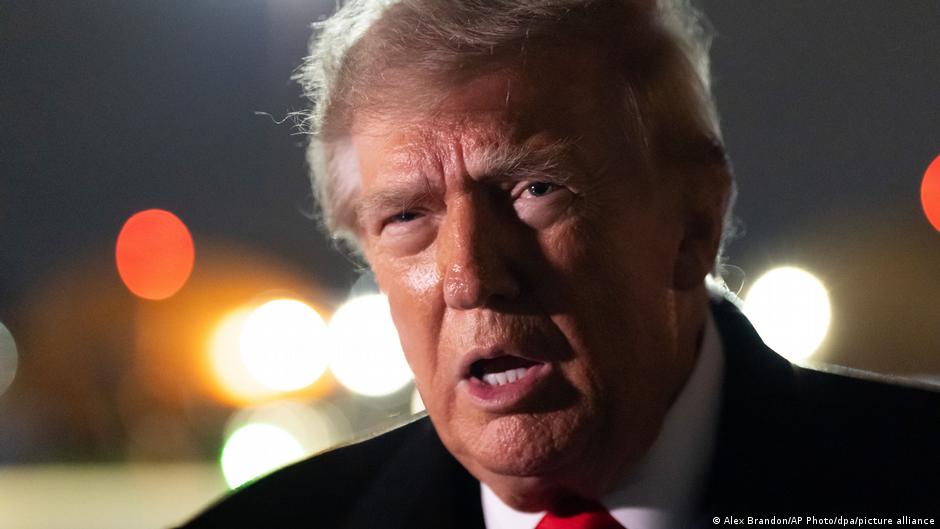
US President Donald Trump said he has postponed what he called “hellish sanctions” against Russia, temporarily holding back measures that could have significantly altered trade flows, operating costs and investor risk calculations across technology and startup markets.
Trump said the decision was intended to keep Russia involved in negotiations over its war against Ukraine and to discourage Moscow from providing greater assistance to Iran. In a post on the Truth Social platform on Sunday, October 18, he said he would introduce the sanctions whenever he considered the timing appropriate.
“My decision on Russia is very simple. I am currently conducting peace negotiations concerning the war between Russia and Ukraine, and I do not want to take any steps that could foolishly drive Russia away from the negotiating table,” Trump wrote.
The president said “significant progress” had been achieved in talks with Moscow, including on the release of prisoners. He argued that signing the sanctions legislation now would produce the outcome he was seeking to avoid, but emphasized that he could approve it later at any time.
Startups retain a temporary window of certainty
For venture capital firms and technology companies, the postponement removes an immediate policy trigger but does not eliminate the possibility of a sharp sanctions escalation. The legislation described by Trump would impose additional tariffs of 500% on Russian goods. It would also place tariffs of 100% on products from countries ranked among the five largest purchasers of Russian oil and gas, as well as countries most actively helping Moscow circumvent sanctions.
Such measures could affect startup ecosystems well beyond Russia because the proposed tariffs target both direct trade and commercial relationships involving major buyers of Russian energy. Technology businesses with international suppliers, customers or portfolio companies would therefore still need to account for the possibility of changing market access, compliance obligations and input costs. Cross-border acquisitions and funding rounds involving exposed businesses could also face longer diligence processes while the policy remains unresolved.
The law required Trump to introduce the restrictions by October 18, while also allowing him to pause the process if doing so served US national interests. Trump exercised that authority on October 17. His action leaves the sanctions framework available for later activation rather than removing it from consideration.
Trump referred to the measure as legislation from the late Senator Lindsey Graham. He said its immediate approval could disrupt negotiations, adding: “I can sign it later at any moment when I consider it necessary.”
Iran and energy markets shape the calculation
Trump said another important consideration was Russia’s limited assistance to Iran. According to the president, Moscow was providing Iran with practically no help, at least compared with what it could provide. He said he wanted that situation to continue and argued that it would do so unless “foolish people” interfered.
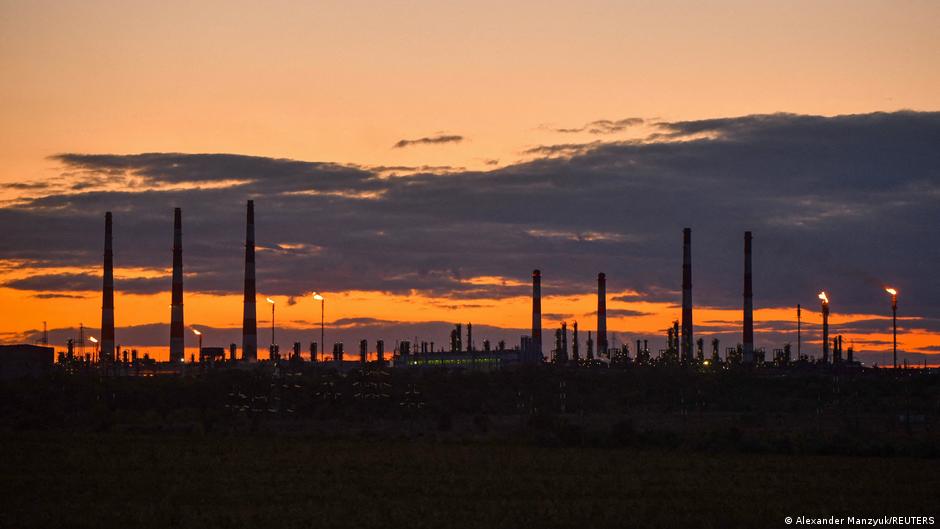
The administration’s calculations also extend to global fuel markets. Trump again criticized Ukrainian President Volodymyr Zelensky over Ukrainian military attacks on Russian oil refineries that produce diesel. He said Zelensky understood that the strikes were causing serious damage to the global diesel market, including the US market.
Trump said farmers, ranchers and business owners in many industries were suffering as a result. At the same time, he claimed Russia continued to supply millions of barrels of low-priced diesel to the global market despite the attacks, and accused Zelensky of being unconcerned about the consequences.
Energy prices are an important operating variable for venture-backed companies in logistics, manufacturing, mobility, agriculture and data infrastructure. Trump’s comments signal that fuel availability and pricing are part of the White House’s sanctions decision, alongside diplomacy and security. For investors, that creates a policy environment in which geopolitical negotiations and commodity-market concerns can directly influence the timing of trade restrictions.
Uncertainty remains over Ukraine negotiations
Trump said he wanted to end Russia’s war against Ukraine, while alleging that Zelensky was not seeking to conclude it and perhaps never had been. He claimed the Ukrainian president could have reached a substantially better agreement two years earlier.
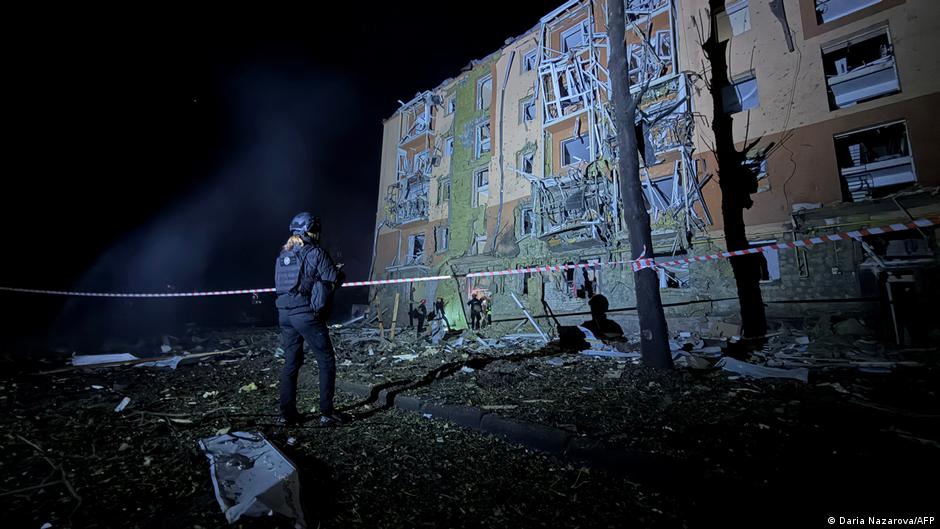
The US president also asserted that Ukraine was now in ruins, had lost a significant share of its territory, no longer had access to seas or oceans, and had seen its male population reduced, wounded or killed.
For the innovation economy, the immediate result is a reprieve rather than a durable policy settlement. Companies and investors have avoided the automatic introduction of unusually high tariffs, but the president has expressly retained the option to impose them. That distinction is likely to remain central to financing, acquisition and expansion decisions involving businesses exposed to Russian trade, Russian energy customers or countries that could fall within the legislation’s secondary tariff provisions.