Ukraine Refinery Strike Pause Highlights Risks for Defense Tech Startups
Reported US pressure on Kyiv underscores how satellite access, intelligence and air defense shape Ukraine’s innovation ecosystem.
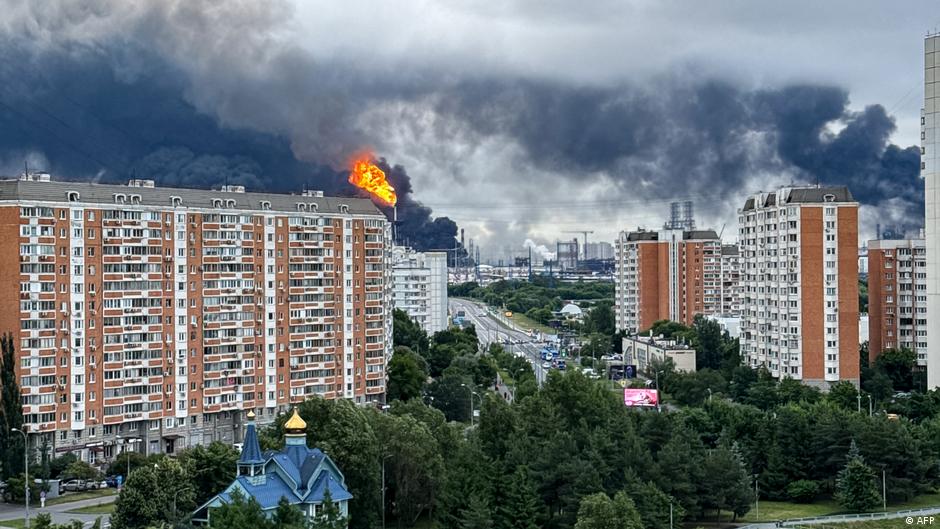
Ukraine has informally paused strikes on Russian oil refineries following weeks of pressure from US President Donald Trump, The Wall Street Journal reported, highlighting the geopolitical dependencies facing the country’s defense technology sector and its investors.
The pause reportedly began early last week, when tensions between Kyiv and Washington were at their highest, and is expected to remain in place through the US midterm elections on November 3. It could extend further into November, according to the publication’s sources. Ukraine has not officially announced a suspension.
For venture investors and startups operating across defense, energy resilience, drones and satellite communications, the episode illustrates how access to strategic infrastructure can determine whether domestically developed technologies are deployed. Ukraine has become an important testing ground for military innovation, but its armed forces remain dependent on foreign-controlled systems, including SpaceX’s Starlink satellite service, US intelligence data and Patriot air-defense interceptors.
Infrastructure Dependencies Become Investment Risks
Ukraine’s reliance on those systems has left it vulnerable to pressure from Washington even after Trump, who returned to the White House last year, ended most US military and financial assistance to Kyiv, the Journal reported. The situation demonstrates that technical capability alone does not guarantee operational autonomy—a central risk for startups building products that depend on satellite connectivity, proprietary data networks or government-controlled supply chains.
Trump has intensified pressure on Ukrainian President Volodymyr Zelensky in recent weeks, demanding an end to refinery attacks and blaming Ukraine for high global fuel prices. Energy experts cited in the source account attribute those prices mainly to the US-Israeli war against Iran.
Republican candidates were concerned that elevated fuel costs could hurt them in the November 3 midterms. Trump consequently eased sanctions on Russian diesel fuel to reduce pressure on American farmers and other consumers, according to the report. Decisions intended to influence energy prices can ripple through markets relevant to energy technology companies, logistics platforms and industrial startups, while also changing the strategic environment for defense innovators.
Oslo Talks and a Proposed 30-Day Pause
Two anonymous US officials told the Journal that Jared Kushner, Trump’s son-in-law, joined an October 20 meeting in Oslo by video. The talks involved US special envoy Steve Witkoff, Zelensky and European delegations.
Kushner said that he and Witkoff were spending substantial time, energy and jet fuel negotiating with Moscow over terms to end the war, and that a 30-day pause in Ukrainian refinery strikes could demonstrate Kyiv’s gratitude, according to the Journal.
The following day, Trump called SpaceX chief Elon Musk and asked him to restore Starlink service for Ukraine, the report said. Its sources maintained that the Starlink issue and the refinery-strike pause were not connected.
Even so, their proximity draws attention to the strategic influence held by private technology providers. SpaceX is a commercial company, but Starlink has become critical infrastructure in wartime Ukraine. That dual role has implications for founders, venture firms and potential acquirers assessing companies whose products may move from civilian markets into national-security operations.
Heightened rhetoric between Trump and Zelensky, combined with Starlink service disruptions, also alarmed some of Kyiv’s strongest European supporters. One European official told the Journal that European representatives likewise advised Zelensky to halt refinery strikes until the US elections were over.
Kyiv Seeks Greater Energy Protection
In exchange for such restraint, Zelensky said Ukraine wants stronger protection for its energy infrastructure. Russia, meanwhile, continues to increase missile and drone attacks on Ukrainian energy facilities and cities, while civilian casualties are rising.
The continued attacks sustain demand for air defense, distributed power systems, grid monitoring, counter-drone technology and infrastructure hardening. Yet the reported pause also shows that demand in wartime technology markets can be shaped as much by diplomacy and alliance politics as by battlefield requirements. For venture-backed companies, procurement prospects and deployment permissions may shift quickly even when the underlying security need remains acute.
Two unnamed military officials said Ukrainian units involved in long-range operations were told in mid-October that the refinery campaign was effectively paused once ongoing missions had been completed. Another source said Ukrainian Defense Minister Yevhen Khmara told Zelensky that the military had concluded it was better to refrain from refinery attacks because of the delicate diplomatic situation.
Zelensky agreed but stressed that Ukrainian forces could resume attacks if commanders considered them necessary, the source added. Speaking to the press in Kyiv on October 28, Zelensky said Ukrainian personnel had tried to be more cautious in recent days but had received no order prohibiting strikes on refineries.
The distinction between an unofficial pause and a formal prohibition preserves operational flexibility, while leaving investors and technology suppliers with limited visibility. It also reinforces a broader lesson for Ukraine’s innovation ecosystem: sovereign capability requires more than strong startups. It depends on resilient communications, diversified suppliers, protected energy infrastructure and financing structures able to withstand abrupt changes in policy.



