Ukraine’s Libya Strike Adds New Risk to Regional Tech Investment
The Benghazi operation highlights geopolitical exposure for startups, investors and infrastructure operators across the Mediterranean.
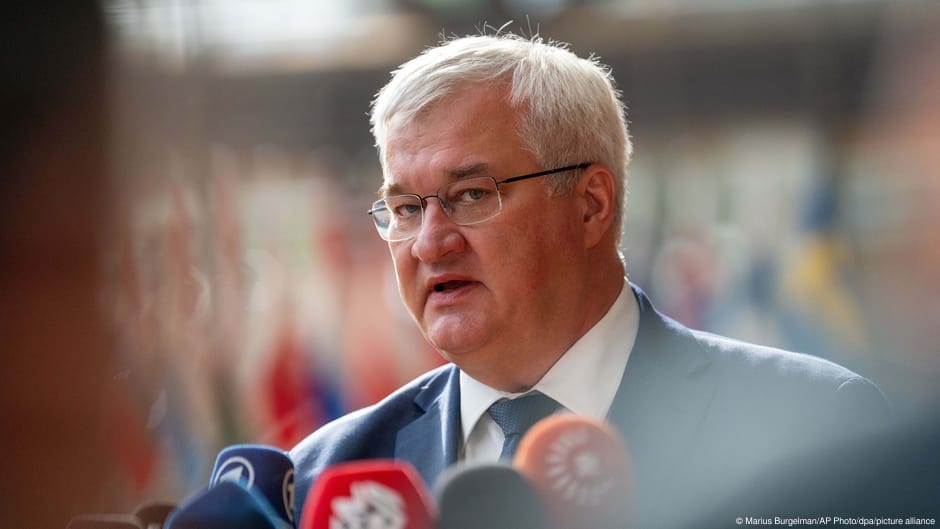
Ukraine has told Libya that it does not intend to extend Russia’s war into Libyan territory or other countries, following a Ukrainian operation near Benghazi that sank a Russian corvette and struck a cargo ship. The incident, which eastern Libyan authorities said killed two Libyan servicemen, introduces another layer of geopolitical risk for technology startups, venture investors and infrastructure operators working across North Africa and the Mediterranean.
Ukrainian Foreign Minister Andrii Sybiha made the assurance on Thursday, November 26, during a telephone call that he initiated with Taher Salem Al-Baour, Libya’s acting foreign minister. The conversation followed the operation during the night of November 22, when Ukraine sank the Russian warship Mercury in Benghazi port and hit a cargo vessel near the port.
Authorities in eastern Libya said two Libyan servicemen died from their wounds. The Benghazi-based administration is not recognized by the United Nations and maintains close ties with Russia. Libya’s internationally recognized government is based in Tripoli, and Al-Baour serves within that administration.
Geopolitical exposure enters the investment equation
For venture capital firms and technology companies assessing Libya and neighboring markets, the episode underscores how military escalation can affect investment conditions beyond the countries directly at war. Startups dependent on ports, logistics networks, telecommunications infrastructure, cross-border payments or international insurance may face heightened scrutiny whenever security conditions deteriorate around strategic transport corridors.
The immediate diplomatic response also matters for investors evaluating political and regulatory risk. Sybiha said Ukraine’s actions concerned only Russian military targets directly used in the war. He expressed regret over the unintended consequences and offered condolences to the Libyan people.
“I expressed regret over the unintended consequences and offered sincere condolences to the Libyan people,” Sybiha said.
Sybiha also reaffirmed Ukraine’s full support for Libya’s sovereignty and territorial integrity, as well as efforts to reunify the divided country. That message sought to separate Ukraine’s targeting of Russian military assets from any broader intervention in Libya, where rival authorities in Benghazi and Tripoli continue to shape a fragmented political and commercial environment.
Ukrainian President Volodymyr Zelenskyy announced the operation on November 23, describing it as an exemplary mission involving drones. According to Zelenskyy, the strike destroyed not only the Mercury corvette but also a Ka-27 helicopter aboard the vessel. He said the damaged dry-cargo ship MV ANGARA had been used by Russia to transport weapons.
The use of drones is particularly relevant to the innovation ecosystem because it demonstrates the growing operational role of unmanned systems in modern warfare. It may also intensify policy debates affecting dual-use technology companies, including businesses developing navigation, communications, autonomy and remote-sensing products. Investors conducting due diligence on such companies increasingly must consider export controls, end-user exposure and the possibility that civilian technologies could become connected to military operations.
Diplomatic divisions could complicate capital deployment
Eastern Libyan authorities accused Ukraine of violating Libyan sovereignty and asked the United Nations to investigate the alleged presence of Ukrainian Armed Forces personnel in western Libya. The UN-recognized government in Tripoli also condemned the Ukrainian attacks, showing that opposition to the operation extended across Libya’s competing centers of power.
European governments offered contrasting assessments. French Foreign Minister Jean-Noël Barrot supported Kyiv’s actions, citing Ukraine’s right to self-defense and holding Russia responsible for expanding the scale of the war.
Italy, however, told Ukraine that attacking Russian ships in Libyan waters was a mistake and warned Kyiv against spreading the war to new territories. German Foreign Minister Johann Wadephul likewise stressed that a geographic expansion of the conflict was unacceptable.
Those differing positions create uncertainty for founders and funds operating across jurisdictions that may respond differently to the same security event. Venture transactions, acquisitions and strategic partnerships can become more difficult when governments diverge over sanctions enforcement, security policy or the treatment of dual-use assets. The incident does not itself establish new investment rules, but it adds to the political variables that boards and investors must monitor.
For Libya’s startup ecosystem, the broader concern is that renewed security tensions could distract from the institutional stability required to attract long-term capital. Early-stage companies depend on predictable banking access, functioning logistics and confidence among foreign partners. M&A activity also relies on clear ownership, enforceable agreements and confidence that operations can continue across regions controlled by different authorities.
Sybiha’s outreach appears intended to contain the diplomatic fallout and emphasize that Ukraine’s objectives remain limited to Russian assets used in the war. Whether that assurance reduces regional risk will depend on subsequent military activity, Libya’s response and the positions taken by European and international institutions. Until then, investors and technology companies with Mediterranean exposure are likely to treat the Benghazi operation as another reminder that geopolitical developments can rapidly alter the operating environment for innovation and capital.



