US Lifts 50% Tariffs on Select Canadian Goods, Shifts Trade Burden
The tariff reshuffle could lower input costs for some industrial startups while creating new pressure across Canadian consumer and hardware sectors.
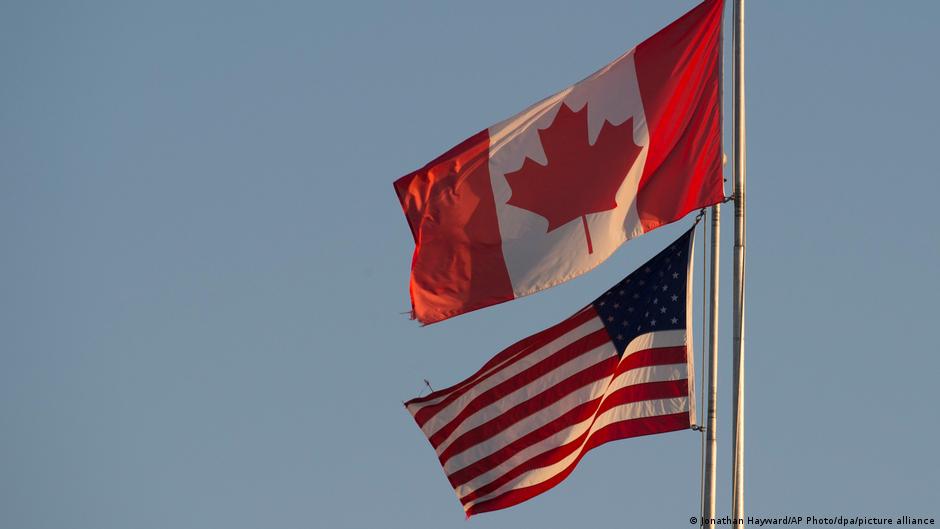
US President Donald Trump has ordered the removal of 50% customs duties on a group of Canadian products from October 30, while simultaneously extending tariffs to other categories of imports from the neighboring country. The reshuffle changes the exposure of startups and investors operating across tightly connected US-Canadian supply chains, without resolving the broader trade dispute between Washington and Ottawa.
Trump signed the order on Friday, October 23. The products relieved of the high tariffs include plywood, certain paper products, machinery used by the pulp and paper industry, packing cases, cardboard boxes, and fresh and dried seaweed.
For technology startups and venture-backed manufacturers, the removal of duties on industrial machinery and packaging-related products could reduce costs in selected parts of the supply chain. Companies developing advanced manufacturing systems, logistics software, sustainable packaging, industrial automation, or new materials may benefit indirectly if their customers regain access to less expensive Canadian inputs.
The inclusion of cardboard boxes and packing cases is particularly relevant to startups that sell physical goods. Packaging is a recurring expense for e-commerce businesses, direct-to-consumer brands, food technology companies, and hardware ventures. A reduction in tariff-related costs could improve unit economics at the margin, although the effect on individual businesses will depend on sourcing arrangements and whether suppliers pass savings through to customers.
New tariffs create a different set of startup risks
To balance the tariff relief, the White House added a range of Canadian goods to the list of products subject to duties. Those categories include carpets, paints, shampoos, cocoa powder, wooden coffins, ice cream sticks, air conditioners, freezers, archery products, and canoes.
The varied list spreads risk across consumer products, construction, climate technology, recreation, food production, and household appliances. Canadian startups exporting products in these categories may face weaker price competitiveness in the US market, while American companies dependent on Canadian components or finished goods could encounter higher procurement costs.
Air conditioners and freezers are among the more consequential categories for the innovation economy. Duties on this equipment could affect startups working in building efficiency, smart-home systems, cold-chain logistics, food delivery, and temperature-controlled healthcare infrastructure. Even when a startup does not import the taxed product directly, higher equipment prices can raise deployment costs for customers and slow purchasing decisions.
Tariffs on paints and carpets may similarly affect construction technology businesses, property technology platforms, and companies involved in renovation or modular building. Cocoa powder and ice cream sticks could create additional pressure for food startups and emerging consumer brands that rely on cross-border sourcing.
Ottawa is ready to work “constructively and in good faith” toward a more mutually beneficial trade relationship that takes Canadian interests into account, Canadian minister Dominic LeBlanc said.
LeBlanc, Canada’s minister responsible for intergovernmental affairs and trade with the United States, said Ottawa was assessing Washington’s actions. His response indicates that the Canadian government has not yet presented a final policy reaction to the latest US order.
Policy uncertainty may weigh on funding and M&A
The tariff changes come amid a wider dispute over the US-Canada trade relationship. Reciprocal duties of 50% have become one sign of deteriorating relations since Trump returned to the presidency. The US president has also repeatedly spoken about the possibility of incorporating Canada into the United States as its 51st state.
For venture investors, continuing shifts in tariff coverage complicate due diligence and financial forecasting. Startups often have limited leverage with suppliers and less capacity than large corporations to absorb sudden cost increases. Investors evaluating hardware, climate, food, consumer, and industrial technology companies may therefore place greater emphasis on sourcing diversity, gross-margin resilience, and exposure to cross-border regulatory decisions.
The same uncertainty could influence mergers and acquisitions. Businesses with manufacturing capacity, alternative suppliers, or distribution networks on both sides of the border may become more strategically valuable. Conversely, acquisition candidates that depend heavily on a single tariff-exposed product line may face pressure on valuations until trade rules become more predictable.
The latest order follows additional restrictions imposed at the end of September, when the United States suspended imports of several Canadian products for an indefinite period. Those products included alcoholic beverages, beer, sparkling wine, whey, certain dairy goods, and motorcycles. Washington took that step after Ottawa responded in kind to higher customs duties introduced by US authorities in August.
The October decision offers targeted relief but also reinforces a pattern of rapidly changing trade measures. For founders, the practical result is a fragmented operating environment in which one group of inputs becomes cheaper as another becomes more expensive. That dynamic may encourage startups to localize production, renegotiate supplier contracts, or develop substitutes for tariff-exposed goods.
Such adjustments can create opportunities for supply-chain software providers, domestic manufacturing platforms, materials innovators, and logistics companies. However, they also divert capital and management attention away from product development and expansion. Until Washington and Ottawa establish a more stable framework, tariff risk is likely to remain an important consideration for startup strategy, venture funding, and cross-border dealmaking.



