Audi’s $4 Billion Georgia Plant Reshapes the US Auto-Tech Landscape
The Volkswagen-owned automaker’s first US factory could create new opportunities for mobility startups, suppliers and industrial investors.
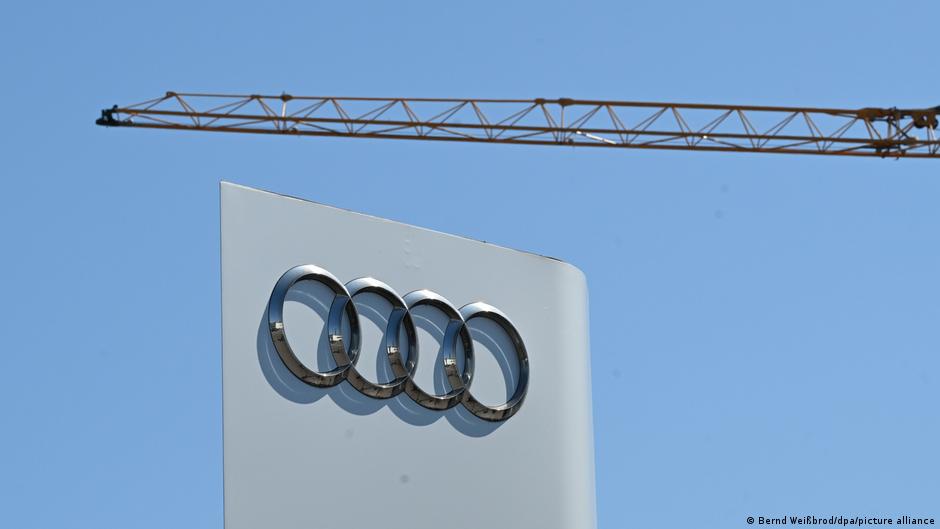
Audi plans to invest approximately $4 billion in a new factory in Georgia, establishing its first manufacturing plant in the United States as trade pressure accelerates the localization of global automotive supply chains.
The German premium automaker, part of Volkswagen AG, intends to manufacture large luxury sport utility vehicles at the site in Macon. US President Donald Trump announced the project at a campaign event in Perry, Georgia, on Saturday, October 24. He said the factory is expected to produce 200,000 vehicles annually.
Audi Chief Executive Gernot Döllner appeared alongside Trump and described the project as a long-term investment demonstrating the company’s confidence in the US market. Construction is scheduled to begin in 2027, while vehicle production is expected to start in the early 2030s. Audi estimates that the factory will create about 4,500 jobs.
Audi plans to manufacture its largest and most premium SUVs in Macon, positioning the Georgia facility as a long-term commitment to the American market.
A US administration representative told Reuters that the plant will assemble the Audi Q7, Q8 and Q9. Audi also plans to produce 25,000 vehicles annually in neighboring South Carolina, adding a second element to its expanded US manufacturing footprint.
A New Anchor for the Mobility Startup Ecosystem
For venture investors and automotive technology startups, a $4 billion production complex represents more than additional assembly capacity. Large vehicle plants typically require extensive networks of suppliers and service providers, making Audi’s decision a potential catalyst for companies working in manufacturing software, industrial automation, robotics, logistics, quality assurance and energy management.
The project could give US startups an opportunity to pursue commercial relationships close to a major premium-vehicle production hub. Georgia’s emerging industrial base may become more relevant to founders developing factory technologies, while the planned output of 200,000 vehicles a year gives potential suppliers a substantial local customer around which to build or expand operations.
The investment may also influence venture capital allocation within mobility. Investors have become increasingly focused on technologies that can demonstrate measurable value in industrial settings, including lower production costs, improved reliability and more resilient supply chains. Audi’s localization plan creates a prospective deployment environment for those technologies, although the company has not announced startup partnerships, venture investments or acquisitions connected with the factory.
The M&A implications are similarly prospective. As Audi and its suppliers prepare for production, established industrial technology companies could seek specialized capabilities through acquisitions, while startups may become targets for strategic buyers looking to strengthen automation, software or supply-chain offerings. The announced project does not include any disclosed transactions, but its scale could intensify competition among vendors seeking a place in the new manufacturing network.
Tariffs Drive a Strategic Shift
Until now, Audi has imported every vehicle sold in the United States from Europe or Mexico. Tariffs introduced by Trump cost the automaker €1.2 billion in 2025, according to the source article. Reuters also reported that Audi’s US sales declined 16% in 2026.
Since beginning his second presidential term in January 2025, Trump has pressed foreign companies to transfer manufacturing to the United States, threatening high customs duties if they do not. He has promised to remove import tariffs for companies that comply with the demand. Audi’s Georgia investment therefore illustrates how trade policy can redirect corporate capital expenditure and reshape the geographic market for automotive innovation.
For startups, this policy-driven localization carries both opportunity and risk. New factories can create demand for domestic technology and supplier capacity, but their economics remain closely tied to tariff rules, construction schedules and automakers’ long-term product plans. With production not expected until the early 2030s, companies seeking contracts will need to plan around a lengthy development cycle.
Expansion in America, Retrenchment Elsewhere
Audi’s US commitment comes as parent company Volkswagen pursues a broad cost-reduction program. Volkswagen’s supervisory board approved the initiative in September 2026, and the group plans to eliminate approximately 50,000 additional jobs worldwide over the coming years.
At the same time, the future of four Volkswagen plants—in Emden, Zwickau, Hanover and Neckarsulm—has become uncertain. The group has said that production volumes at those facilities are not guaranteed beyond 2030, placing their continued operation in doubt.
That contrast is significant for the wider innovation ecosystem. Capital and industrial activity are shifting toward markets where automakers see stronger policy incentives or strategic necessity, potentially changing where suppliers, engineering talent and venture-backed manufacturing companies establish operations. Audi’s move does not resolve Volkswagen’s wider cost pressures, but it signals that the group is prepared to make a multibillion-dollar US investment while reviewing capacity and employment across its global network.



