Business
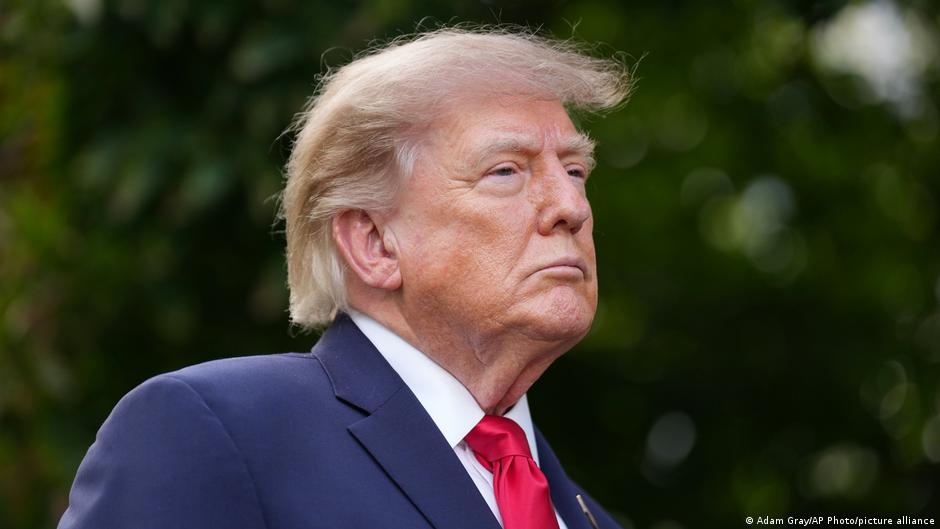
Trump Expects New Iran Talks as Strait Crisis Clouds Startup Risk Outlook
Trump expects new Iran talks as the Hormuz crisis adds geopolitical risk for startups, venture funding and tech supply chains.
Editorial Team · Sep 28, 2026
Trump expects new Iran talks as the Hormuz crisis adds geopolitical risk for startups, venture funding and tech supply chains.

Russian drone strikes killed at least three civilians in Zaporizhzhia and hit port infrastructure in Odesa, adding risk for Ukraine’s startup economy.
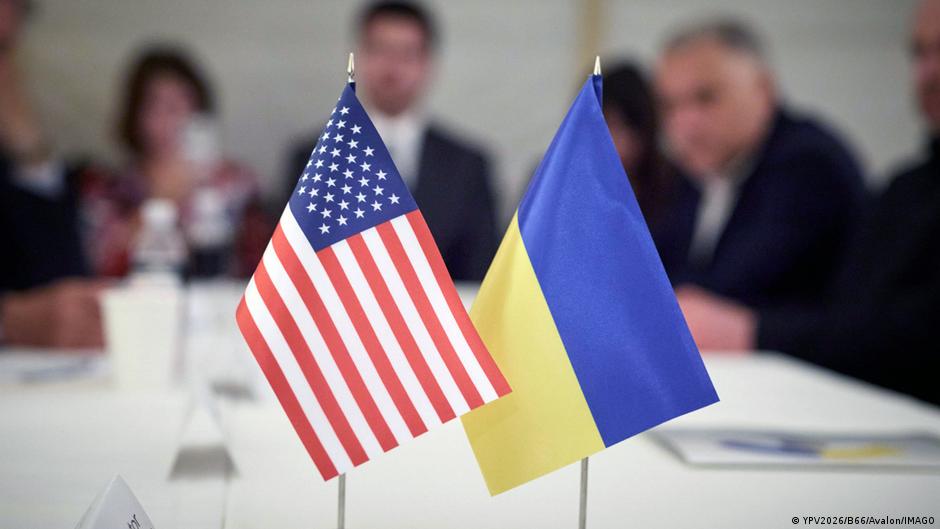
Kyiv denied a report that Trump urged Zelensky to travel to Moscow, as diplomacy and energy risks remain key concerns for startups and investors.
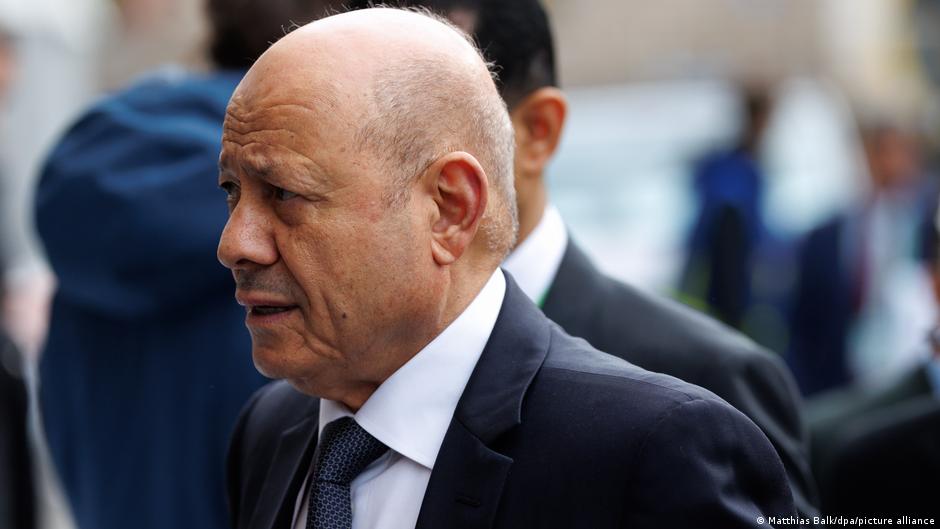
Yemen’s mobilization call and Houthi gains near key waterways add pressure to Gulf trade, energy prices and regional startup investment.

German investigators are probing a drone found near a Bundeswehr air base, raising security and supply-chain questions for defense-tech startups.
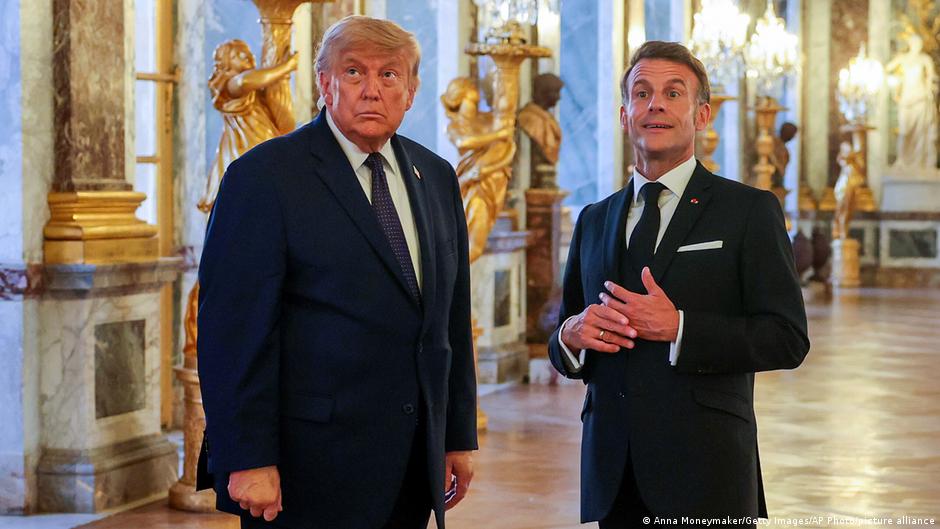
Macron and Trump discussed a moratorium on strikes against Ukrainian infrastructure, a move with implications for startups and investors.
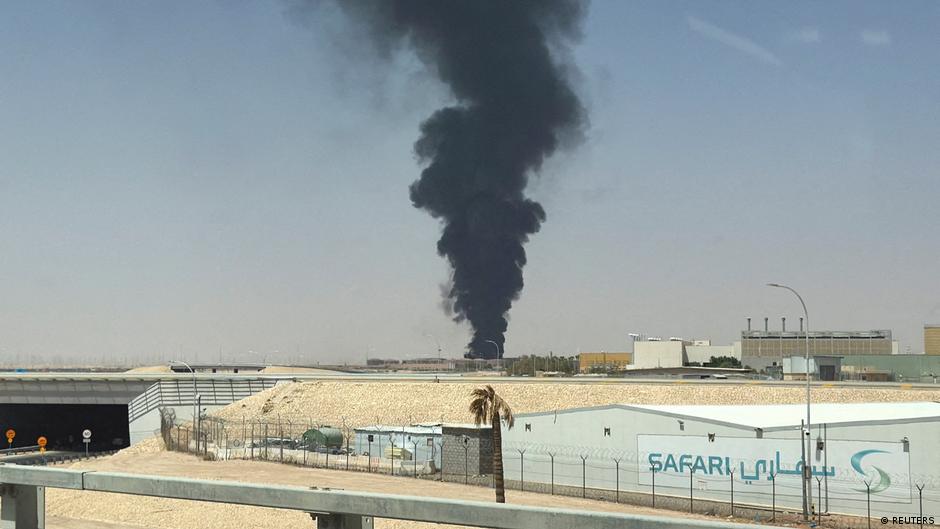
Saudi Arabia said it intercepted a Houthi ballistic missile aimed at Riyadh, adding security risk for Gulf startups, VCs and energy-linked tech.
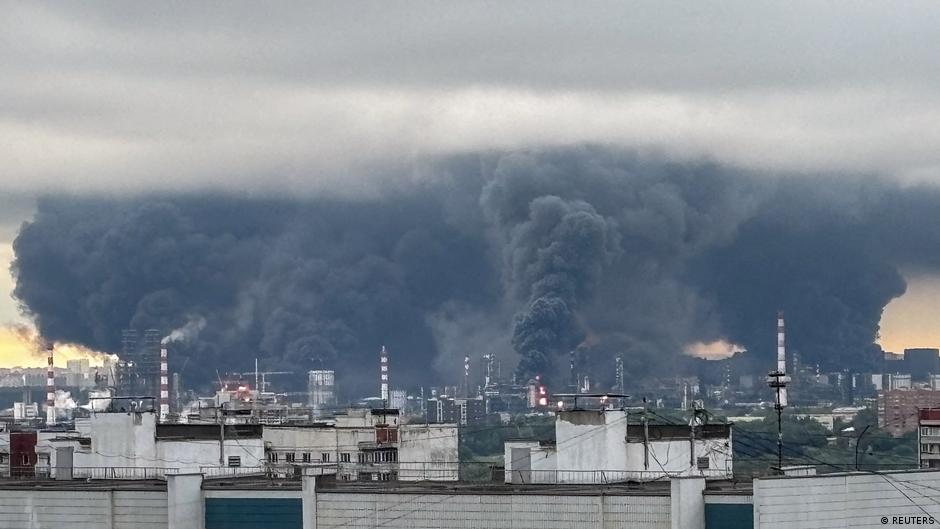
A major drone attack around Moscow killed two people, disrupted airports and hit infrastructure, raising fresh risks for startups and investors.
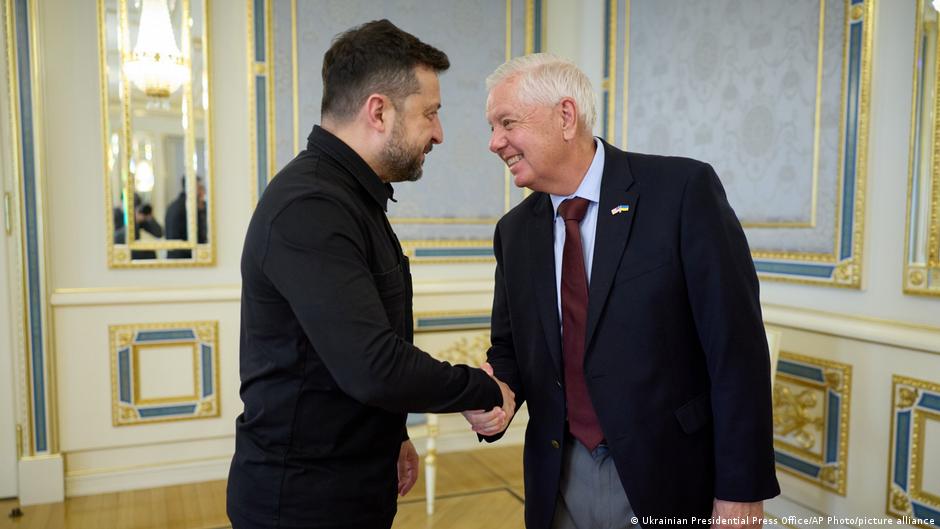
Trump signed the Graham sanctions bill, creating new tariff and sanctions risks for energy-linked markets, startups and investors.
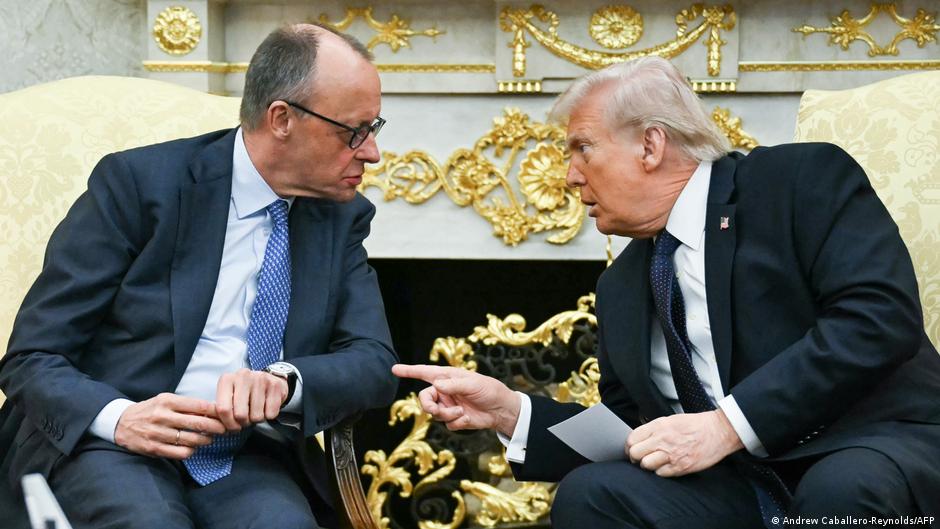
Merz’s warning on transatlantic ties highlights new geopolitical risks and opportunities for Germany’s startup and VC ecosystem.
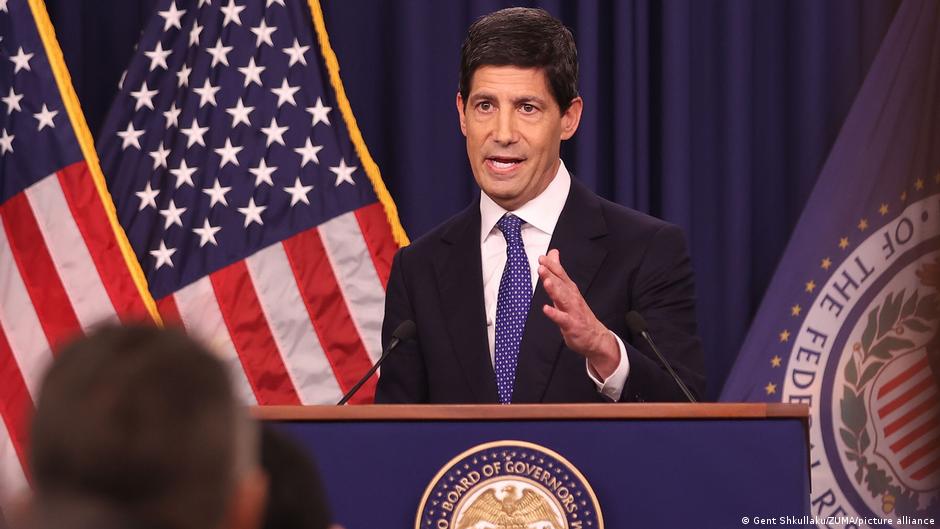
The Fed raised rates to 3.75%-4%, a shift likely to tighten funding conditions for startups, venture investors and M&A activity.
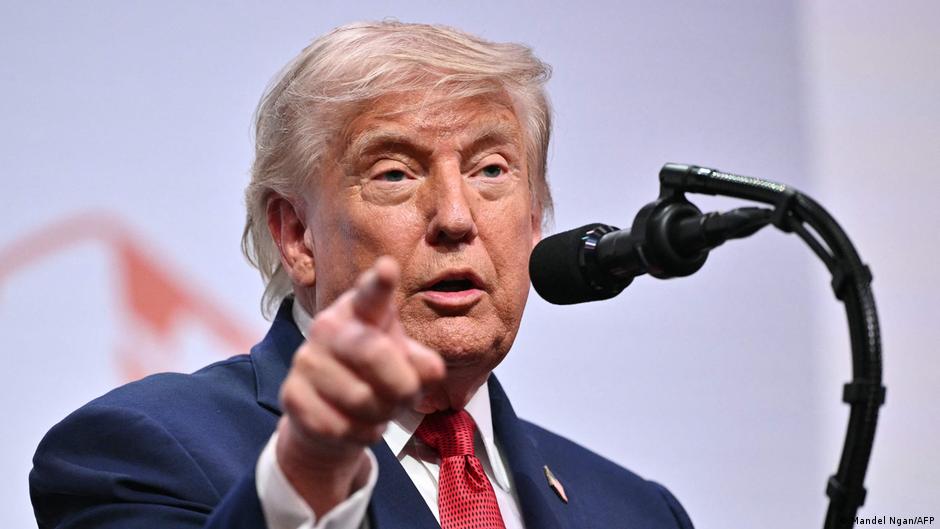
Trump warned of very high tariffs or a halt to EU trade if Brussels’ planned Canada partnership is seen as hostile, raising startup market risks.
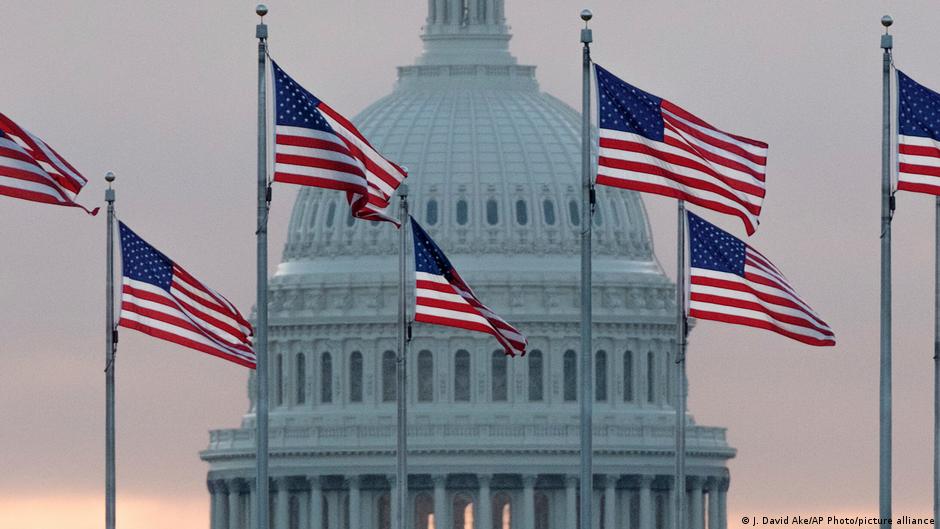
The House advanced debate on a Graham sanctions bill that could reshape tariff risk for energy, supply chains and venture-backed tech firms.
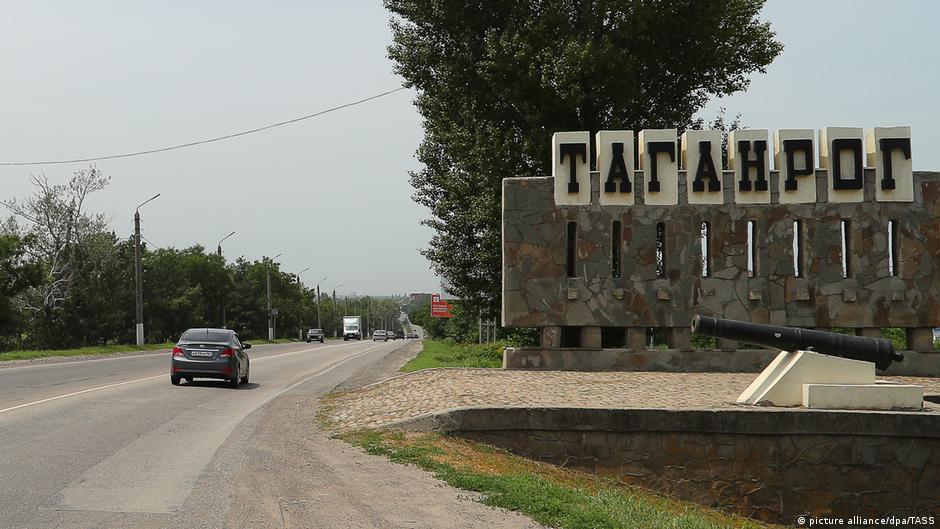
Strikes on Syzran and Taganrog damaged refinery, logistics and industrial assets, highlighting rising risk for infrastructure-linked startups.
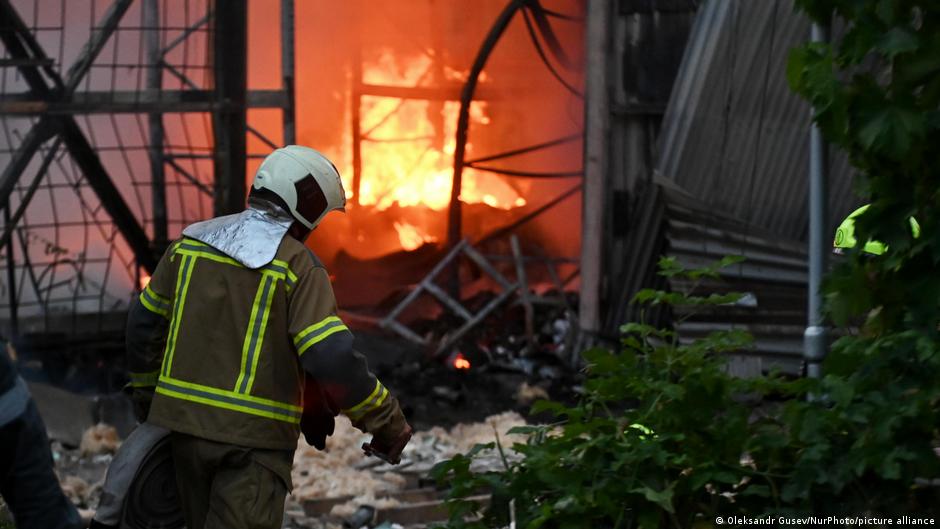
Russian drone attacks hit Kyiv fuel stations and warehouses and damaged Odesa logistics and port infrastructure, deepening risks for Ukraine’s startup economy.
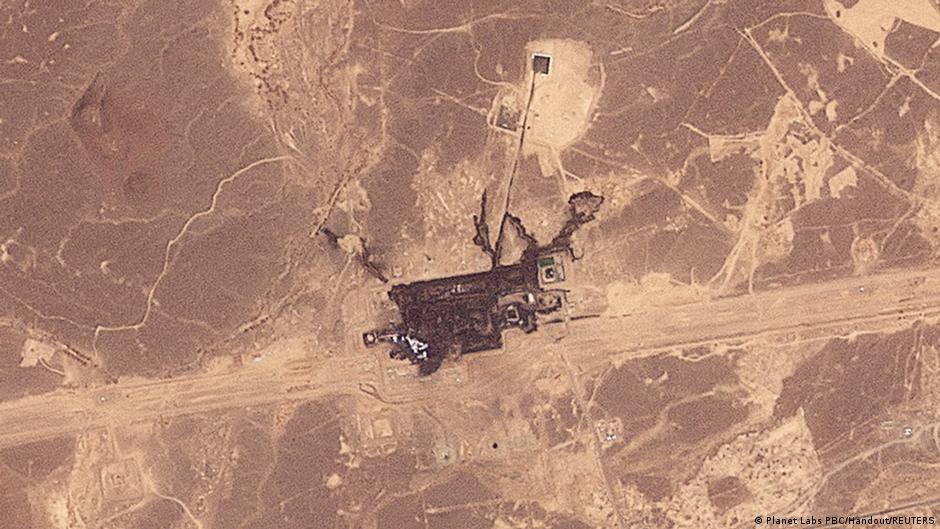
A Saudi pipeline outage could cut global oil supply by 4%, affecting energy prices, startup costs, VC sentiment and infrastructure-tech demand.

Germany’s anti-extremism protests highlighted political risk signals now relevant to startups, venture investors and M&A activity.
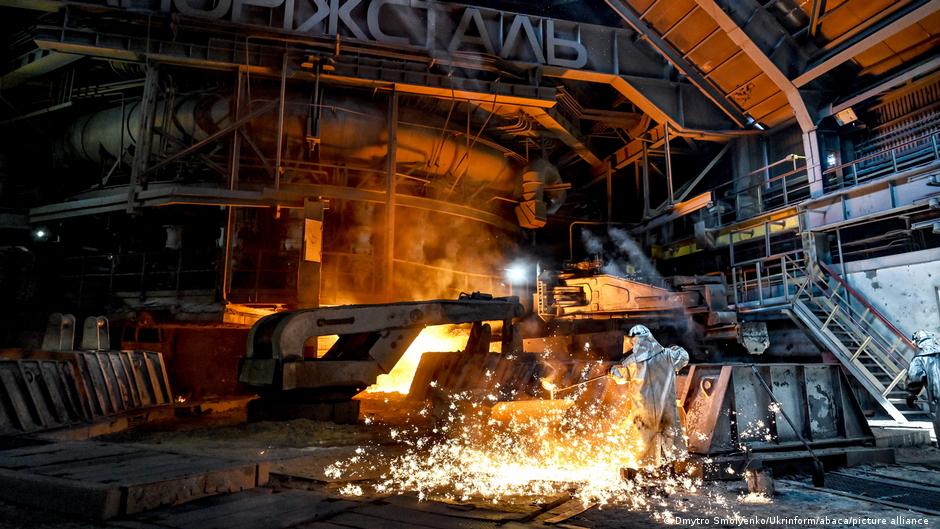
Zaporizhstal says damage from a third Russian strike is critical, raising risks for Ukraine’s industrial base and investment ecosystem.
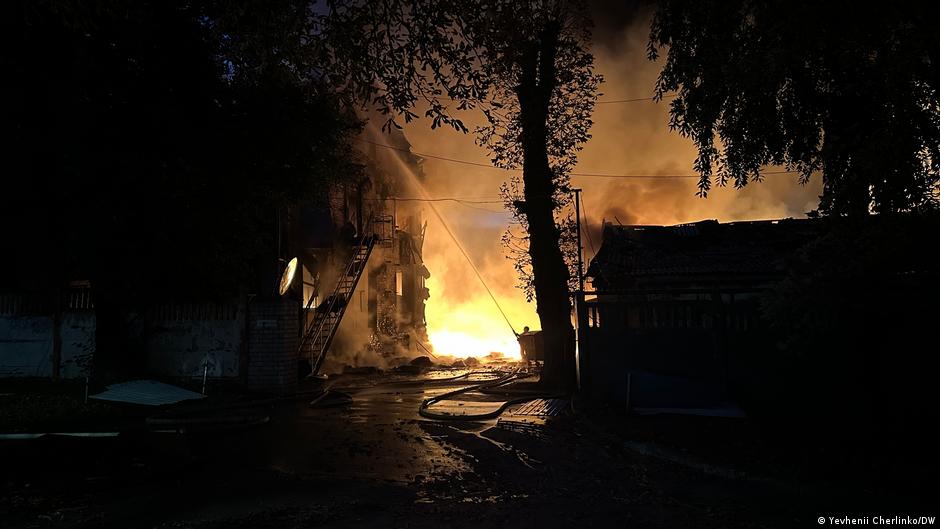
Russian attacks damaged logistics, warehouse, residential and energy infrastructure in Odesa, Kyiv region and Mykolaiv, injuring two people.
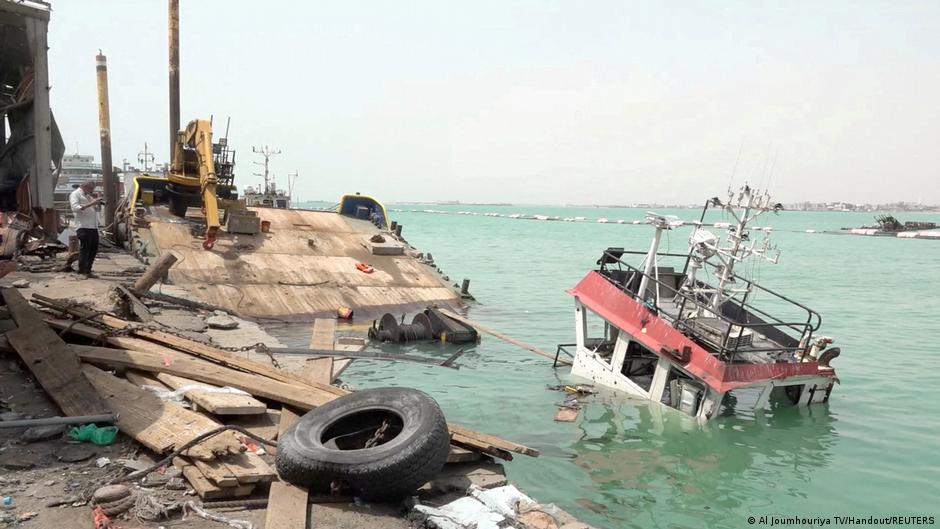
Houthi control near Bab el-Mandeb could raise oil and shipping risks, pressuring startups exposed to energy costs and global supply chains.

Zelensky expects late-September US talks on food and energy security, issues central to Ukraine’s startup resilience and investor outlook.
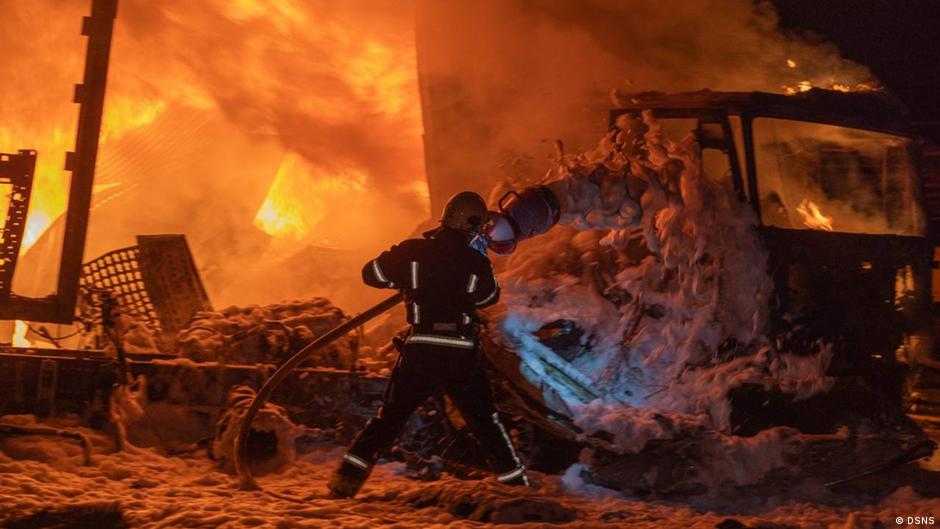
Russian strikes killed civilians in Sumy and Mykolaiv and damaged port, warehouse and postal infrastructure critical to Ukraine’s economy.
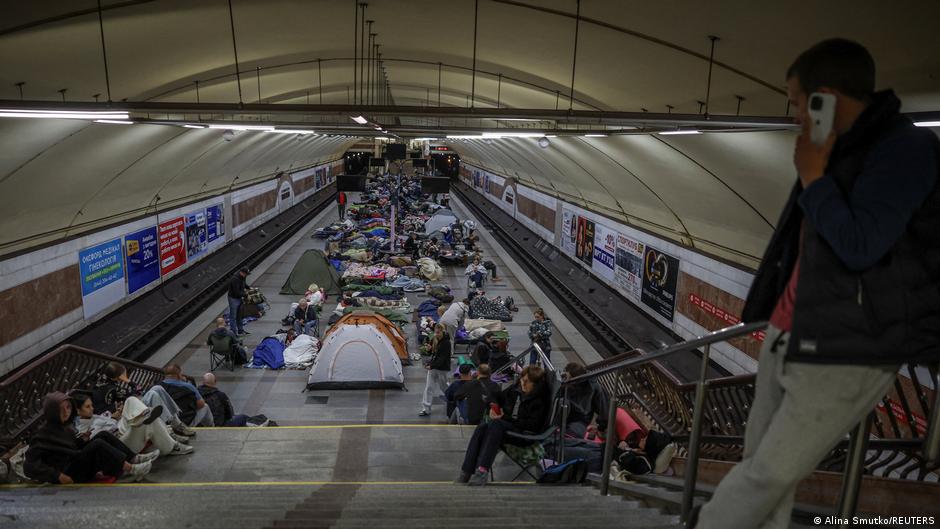
Russian drone and missile strikes hit Kyiv and nearby industrial and logistics sites, raising operational risks for Ukraine’s startup ecosystem.
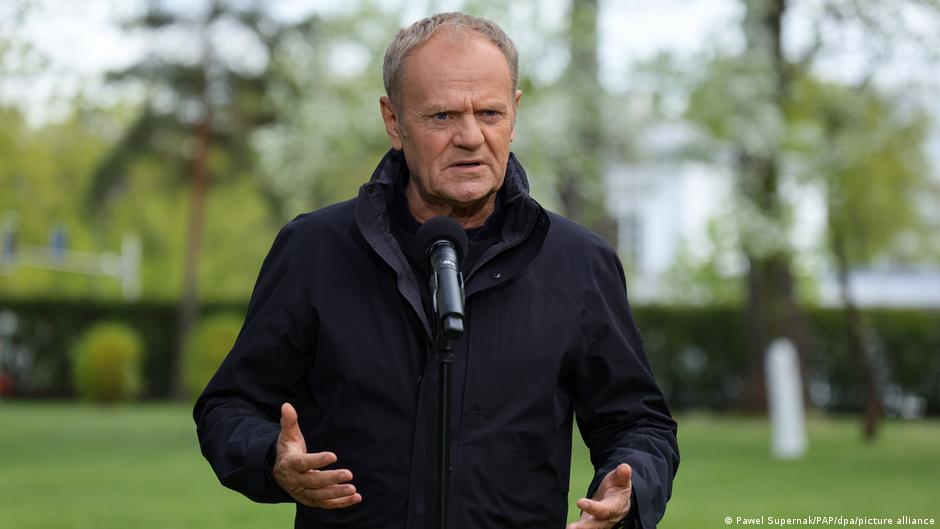
European leaders reacted sharply after the far-right AfD won 44 percent in preliminary Saxony-Anhalt results, raising wider policy concerns.

AfD’s 43.8% win in Saxony-Anhalt creates coalition uncertainty with implications for startups, investors and regional economic policy.

Volkswagen approved a sweeping restructuring plan combining 50,000 job cuts, portfolio simplification and €135 billion in R&D and investment spending.

Uzbekistan puts state-owned Gold Moon jewelry plant up for auction, offering investors a chance to modernize a traditional sector amid ongoing financial challenges.

Russia-linked sabotage at European defense factories threatens NATO readiness and disrupts the defense tech innovation ecosystem across the continent.
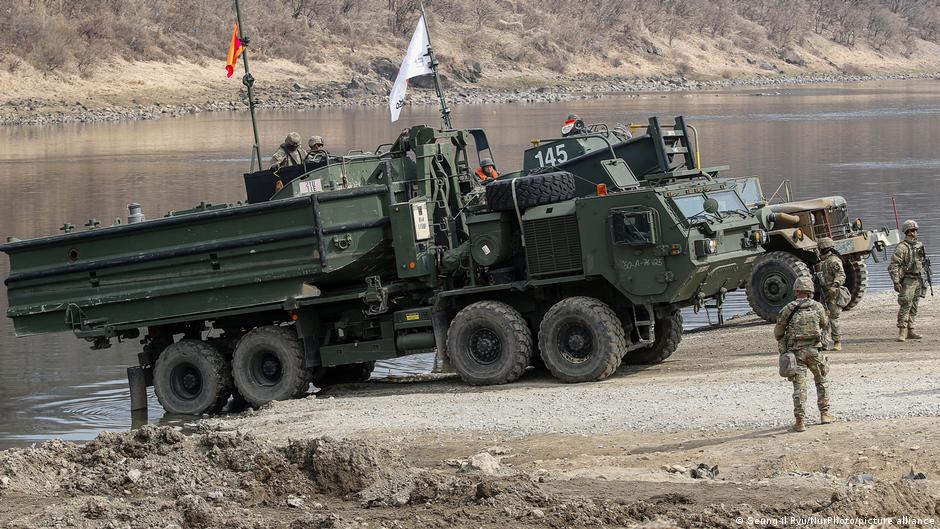
The US is significantly reducing joint military drills with South Korea, a move that could impact regional stability and the tech startup ecosystem reliant on predictable geopolitics.
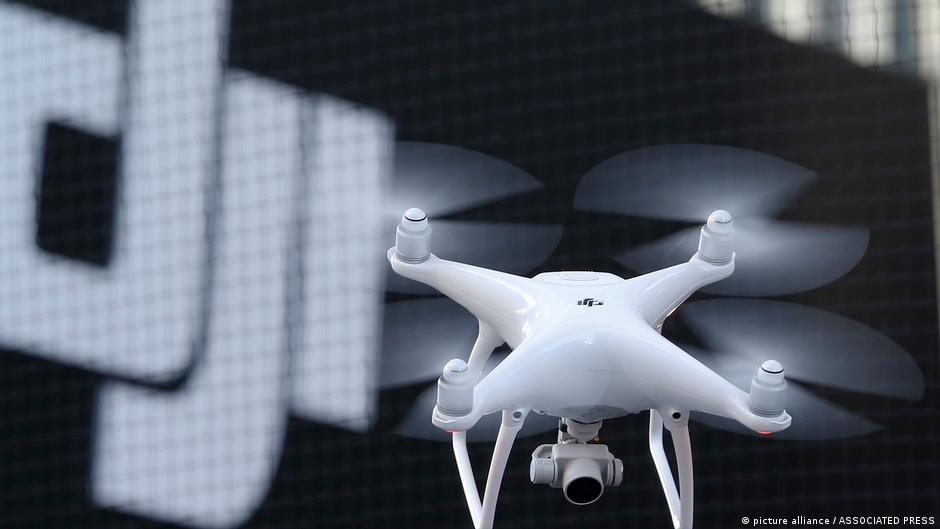
The US has imposed tariffs up to 100% on imported drones and components to boost domestic manufacturing and address national security risks from foreign suppliers.
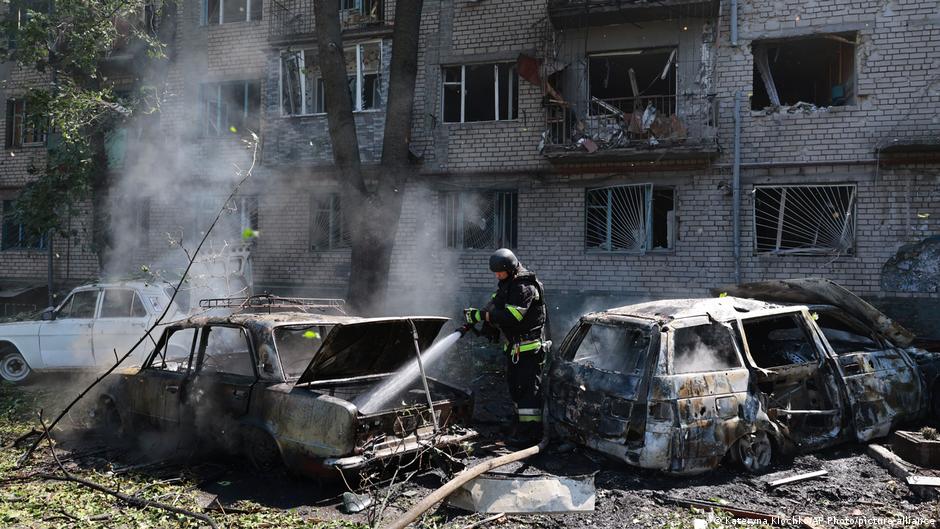
Russian missile and aerial bomb strikes on Zaporizhzhia cause casualties and damage critical infrastructure, posing risks to Ukraine’s regional tech startups and innovation ecosystem.
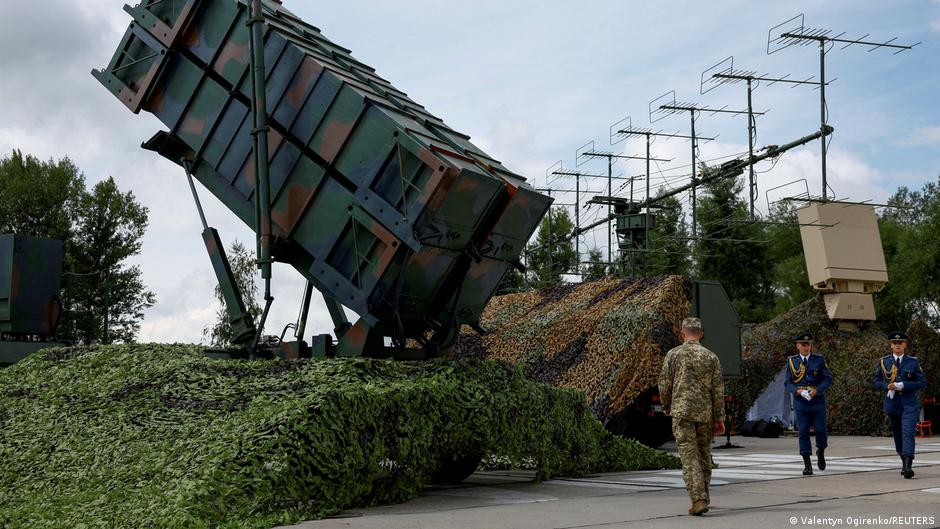
Raytheon and Lockheed Martin worry that Ukraine could enhance and mass-produce Patriot missile interceptors if granted licenses, raising IP and security concerns amid ongoing war support efforts.
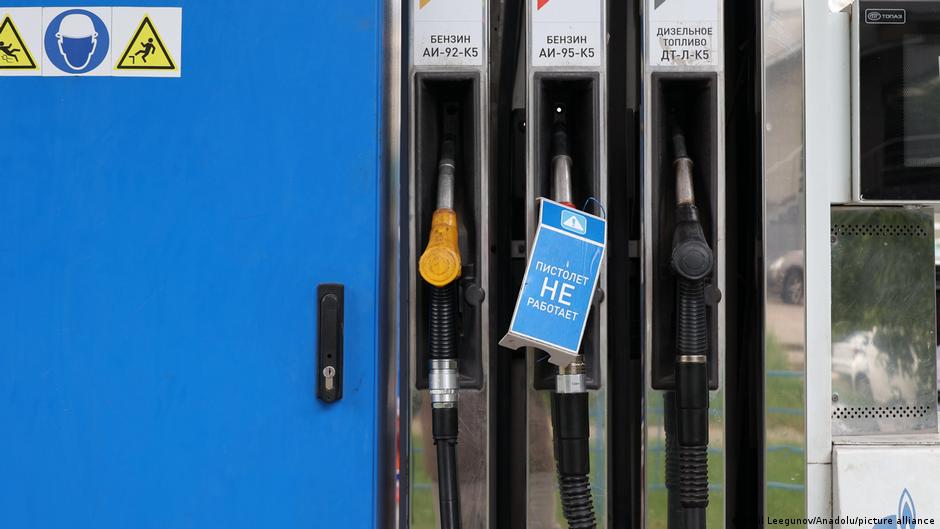
Russia extends the sale of lower-grade Euro-2 to Euro-4 fuels until 2027 to address supply disruptions caused by attacks on refineries, impacting innovation and startup opportunities in the energy tech sector.
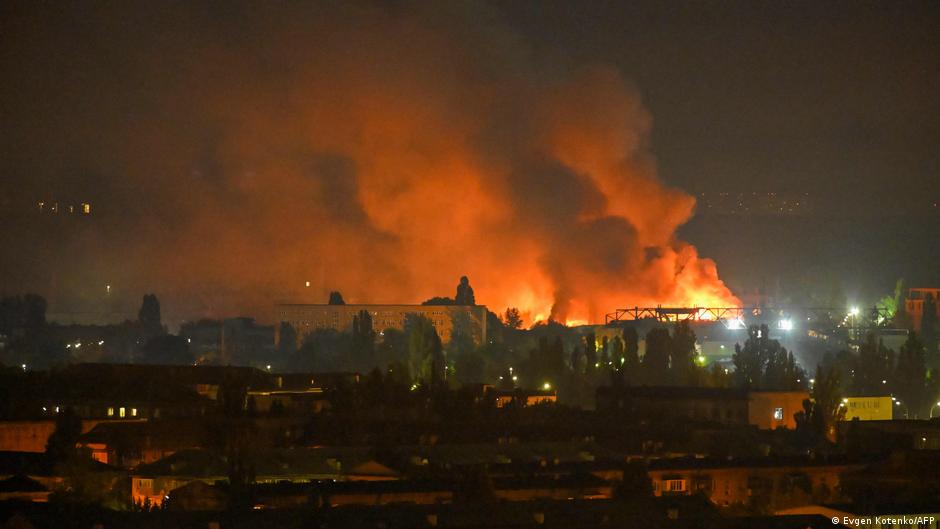
Russian ballistic missile attacks on Kyiv expose Ukraine’s defense gaps, posing challenges and new opportunities for its tech startup and innovation ecosystem.
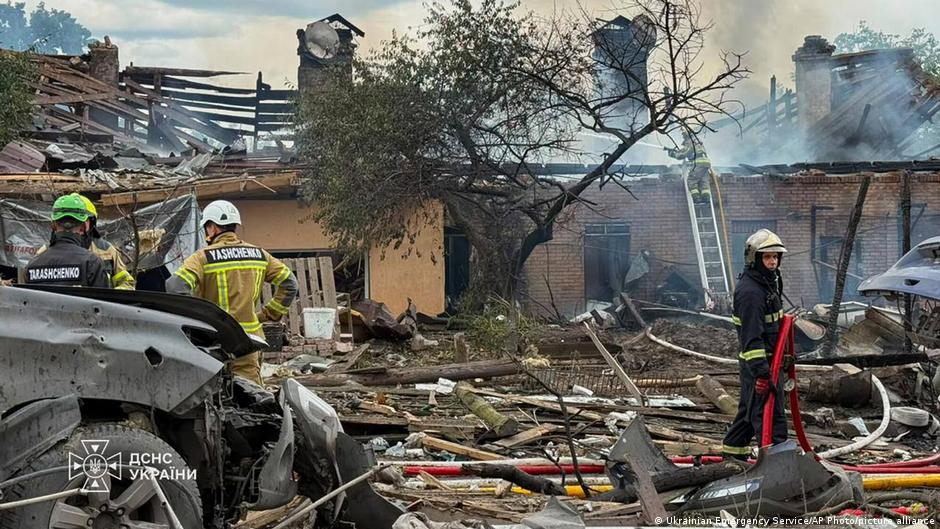
The EU condemns Russian missile strikes on a Ukrainian drone exhibition and Latvian consulate, highlighting the growing importance of Ukraine's defense tech sector and potential for expanded sanctions.
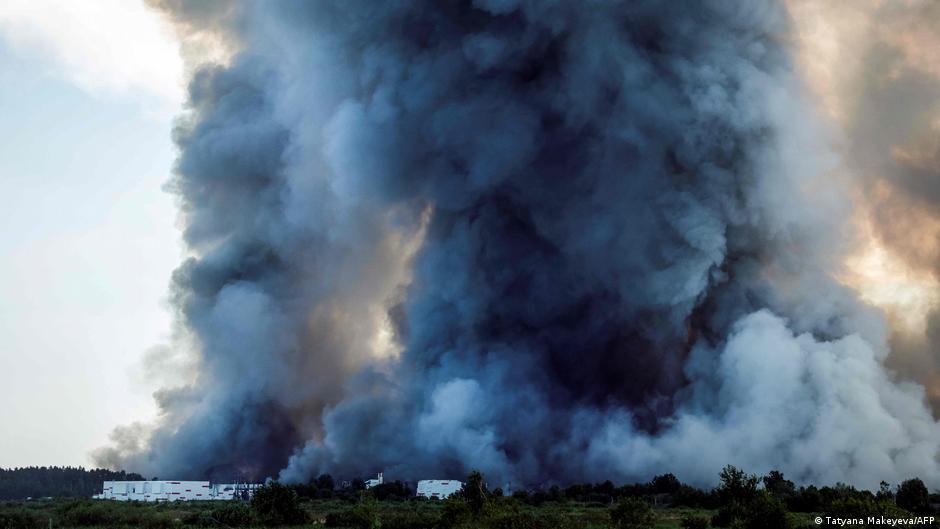
Ukrainian strikes have targeted Wildberries warehouses in Russia and Crimea, disrupting logistics operations crucial to the country's e-commerce ecosystem and affecting about 10% of the company's facilities.
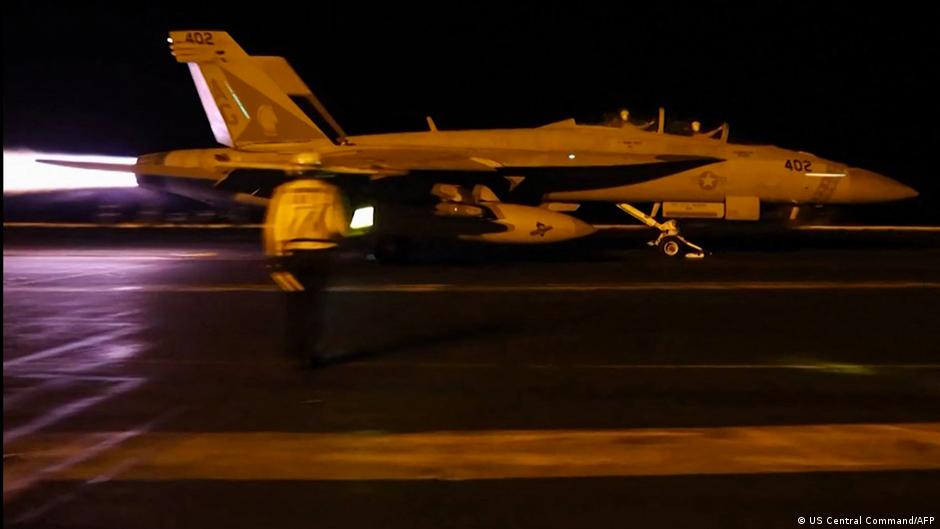
US military strikes against Iran continue for the tenth day, targeting strategic sites and affecting regional stability with potential impacts on tech startups and venture capital.
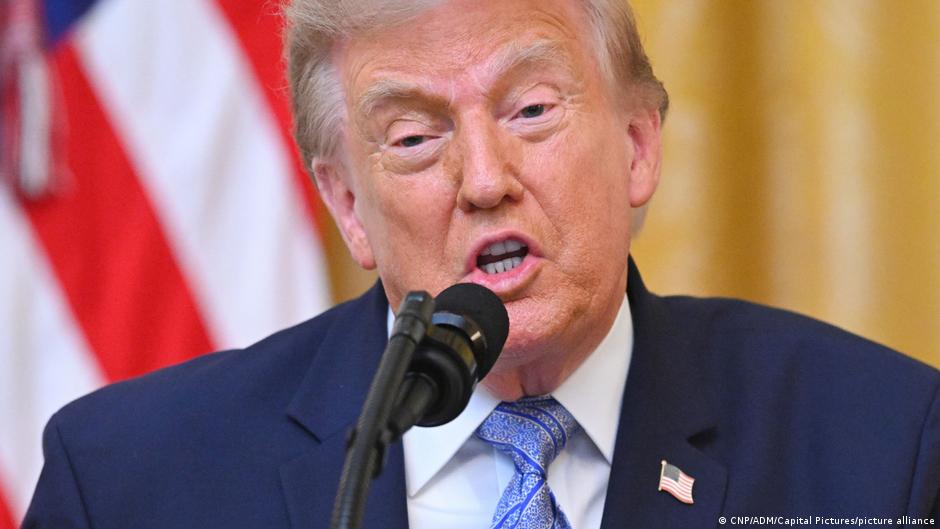
The US has imposed 50% tariffs on Canadian imports, including items covered under USMCA, raising concerns over impacts on cross-border venture capital and tech startup ecosystems.
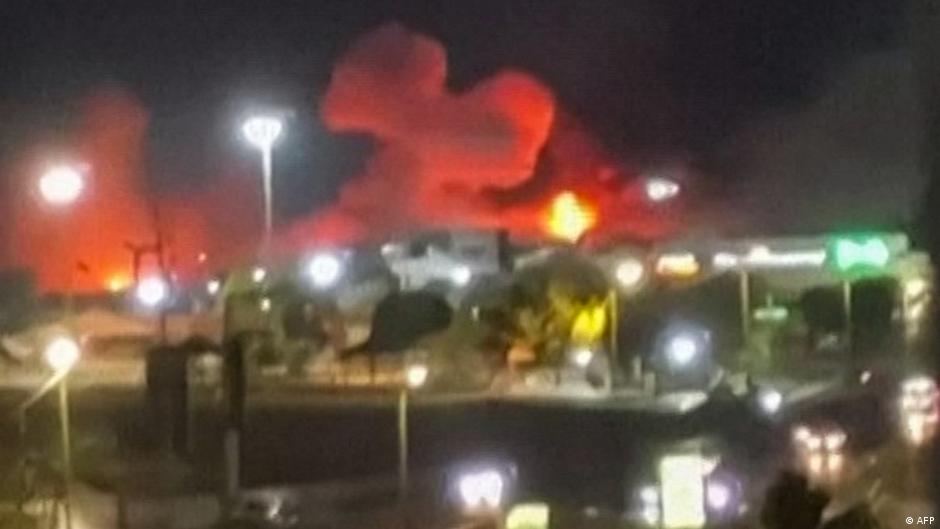
US military strikes near the Strait of Hormuz escalate tensions with Iran, impacting regional stability and posing risks to the Gulf’s tech and startup ecosystems.
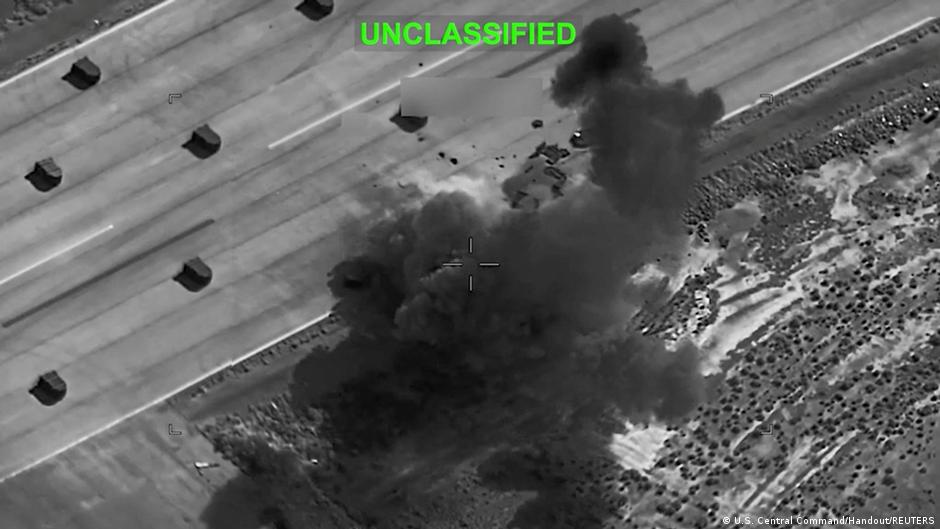
US airstrikes on Iran following attacks in the Strait of Hormuz disrupt vital oil and tech supply routes, heightening risks for startups and venture capital in energy-linked sectors.
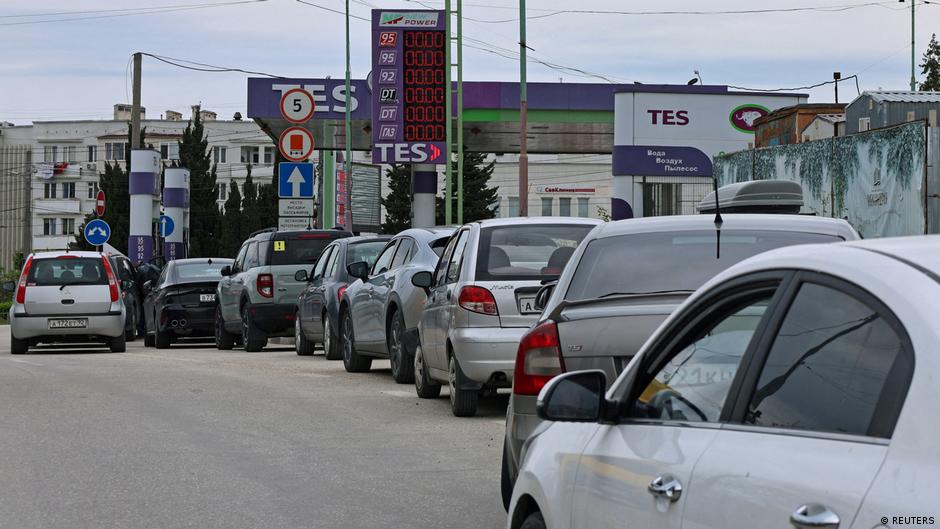
Crimea's gasoline prices nearly doubled in early July, reflecting broader fuel shortages and economic challenges impacting Russia's tech startups and venture capital climate.
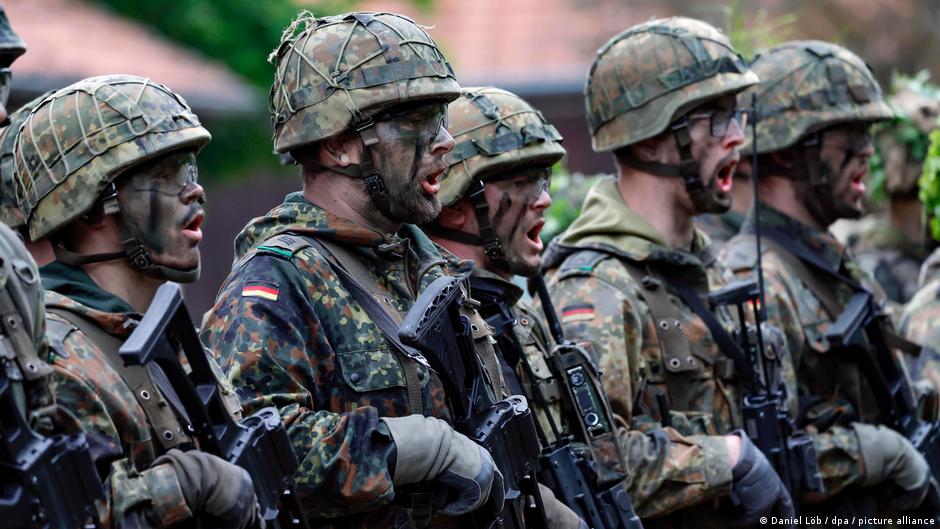
Germany announces a record €124.7 billion defense budget for 2026, boosting opportunities for defense tech startups and venture capital in Europe's innovation ecosystem.
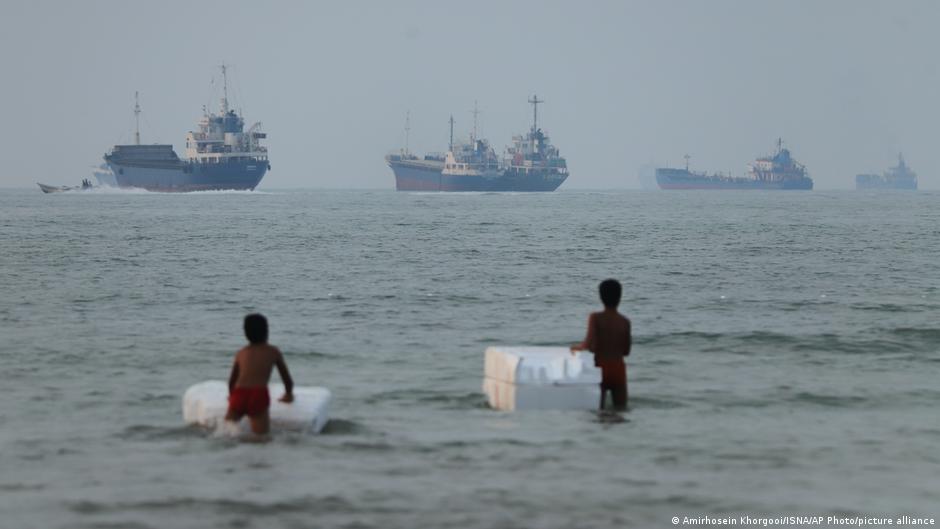
US military strikes on Iran and renewed sanctions risk disrupting critical Middle East trade routes, impacting tech startups' supply chains and investor confidence.
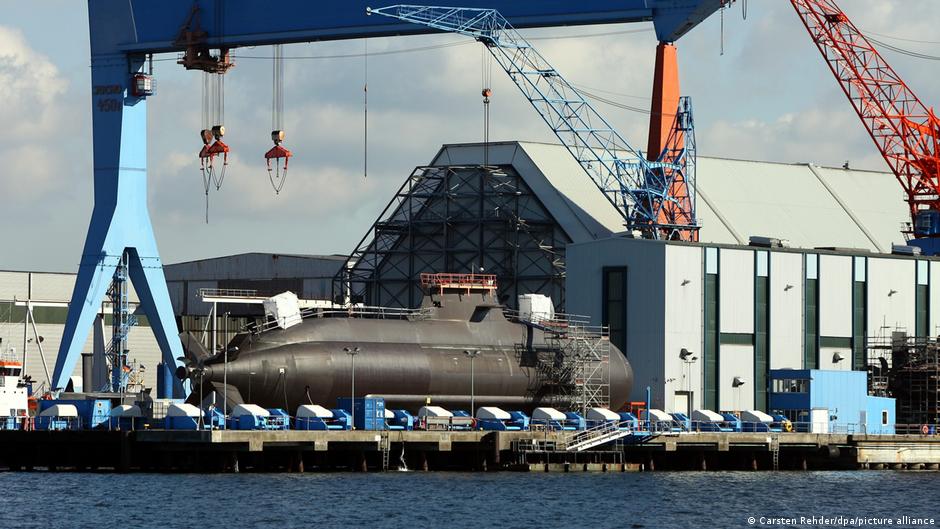
Canada's $100 billion submarine deal with Germany’s TKMS enhances transatlantic defense cooperation and opens new opportunities for European defense tech startups and innovation.
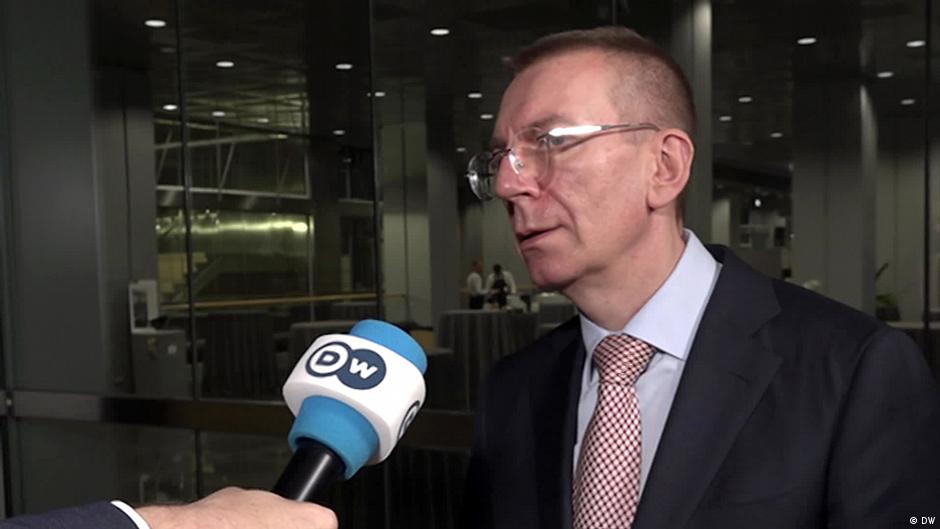
Latvian President Edgars Rinkēvičs urges NATO to bolster military capabilities and defense investments as tensions with Russia risk escalating, presenting new opportunities for defense tech startups and investors.
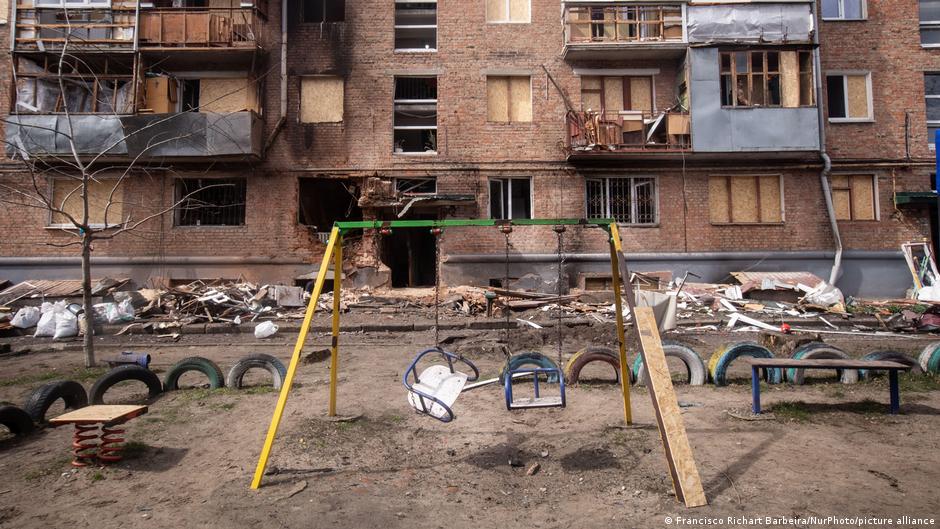
Russian missile and drone strikes on Sumy and Zaporizhzhia caused civilian casualties and threaten Ukraine's growing tech startup ecosystem by damaging infrastructure and raising investor concerns.

Two German entrepreneurs admitted to EU sanctions violations by illegally exporting machinery components to Russia, underscoring export compliance challenges for startups and investors.
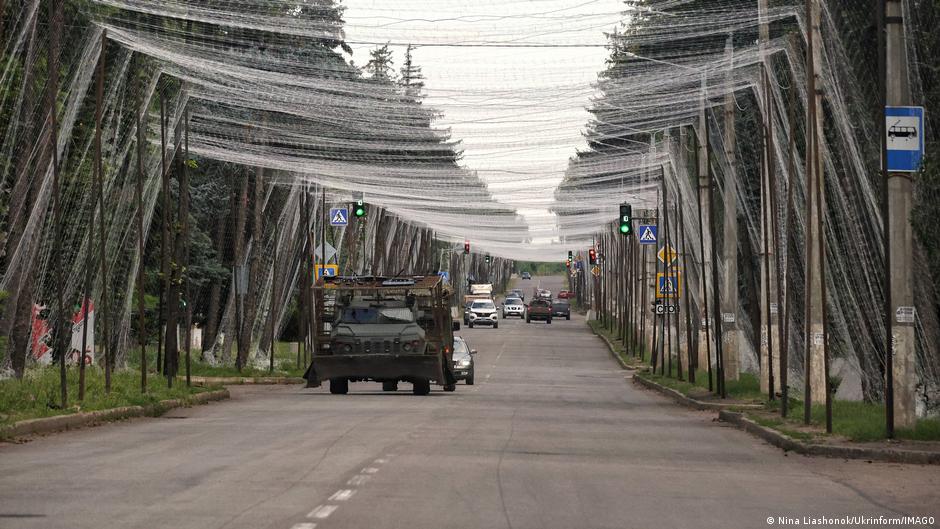
Russian drone and missile attacks on Ukraine decreased significantly in June, raising questions about supply chain impacts and defense tech innovation amid ongoing conflict.
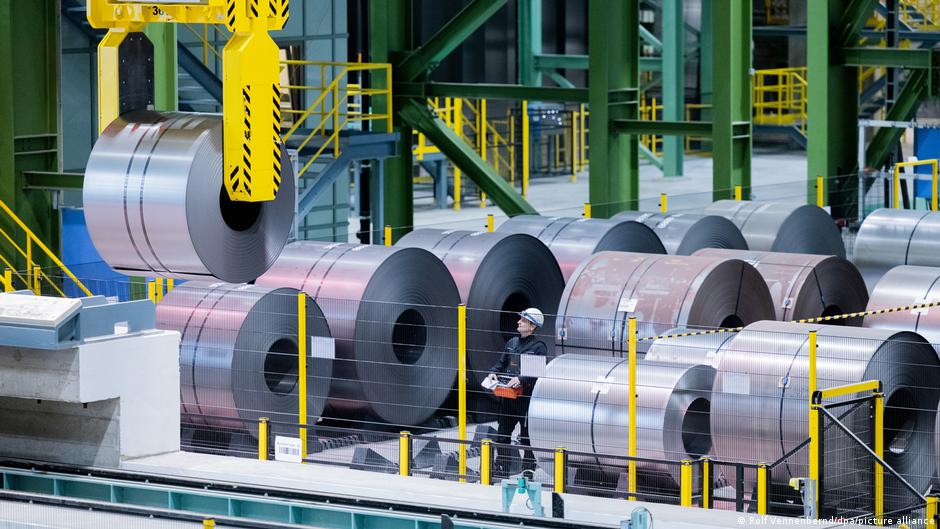
The EU cuts duty-free steel import quotas by 47% and enforces 50% tariffs on excess imports, affecting the steel supply chain critical to tech startups and innovation.
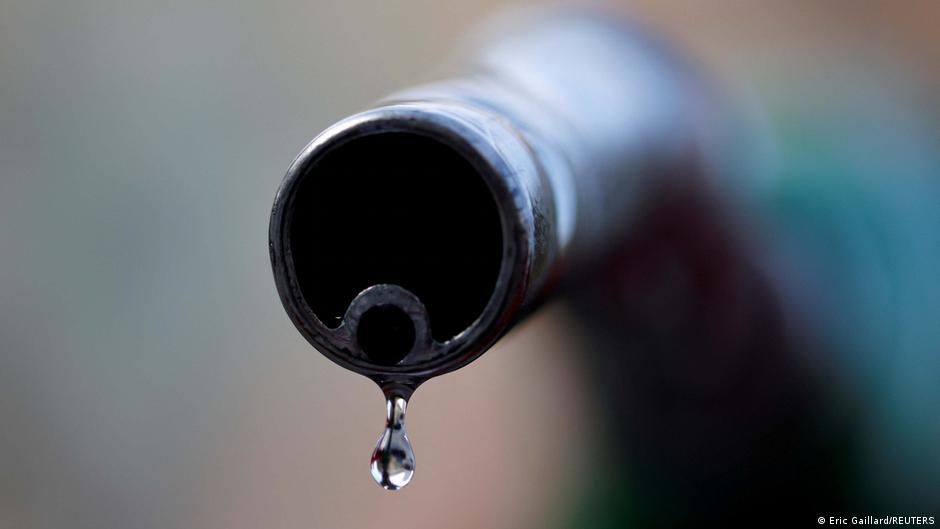
Russia restricts fuel sales across 53 regions due to drone attacks on oil infrastructure, impacting supply chains and challenging the country's tech startups and innovation landscape.