Closure of Azov-Don Canal Disrupts Russian Grain Exports Amid Drone Attacks
Russia halts shipping through strategic Azov-Don canal following Ukrainian drone strikes on vessels, impacting grain export routes and regional trade.
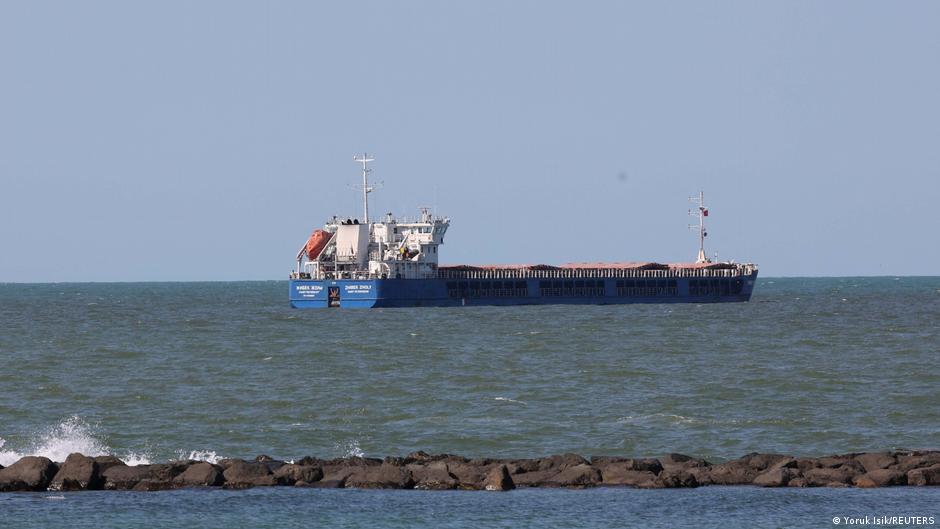
Russia has indefinitely closed shipping passage through the Azov-Don Canal, a critical maritime route connecting the Don River to the Sea of Azov, after a series of drone attacks on vessels in the region, according to multiple sources.
The border service under Russia's Federal Security Service (FSB) issued a notification to shipping companies suspending all vessel transits through the canal. The announcement did not specify when restrictions might be lifted. Additionally, passage through the Kerch Strait, which links the Black Sea and the Sea of Azov, has reportedly been suspended as well.
Strategic Disruptions and Economic Implications
The closure follows recent Ukrainian drone strikes targeting at least 25 ships in the Sea of Azov, primarily oil tankers and bulk carriers. Ukrainian drone forces commander Robert "Madyar" Brovdi released a list of the attacked vessels on July 9, noting that some ships were hit multiple times. Many of the tankers are part of Russia's "shadow fleet" and are subject to international sanctions related to the ongoing conflict.
"The suspension of maritime traffic through these vital waterways significantly disrupts Russia's grain export capabilities and supply chain stability," analysts observe.
Russia’s main grain-producing regions, including the Rostov and Krasnodar territories, rely heavily on the Azov-Black Sea basin for exporting their agricultural products. The canal's closure threatens to create bottlenecks in Russia’s export logistics, potentially leading to increased grain prices globally. Notably, wheat prices on the Euronext exchange surged over 4% within a day following reports of the attacks and navigational restrictions.
While Russian authorities have not publicly commented on the shipping suspensions or the recent attacks, regional officials confirmed drone strikes causing minor damage to at least four tankers in the Taganrog Bay area.
Impact on the Tech and Startup Ecosystem
These developments pose significant challenges and opportunities for the technology and startup sectors, particularly in logistics, maritime analytics, and supply chain management. Disruptions in traditional export routes may accelerate demand for innovative solutions such as alternative transport corridors, remote sensing drone technologies, and real-time cargo tracking software.
Venture capital firms monitoring the conflict's impact on regional trade might find increased investment potential in startups developing resilient infrastructure and digital tools to navigate geopolitical risks. Moreover, the disruption in commodity flows could incentivize the emergence of new platforms for commodity trading and supply chain financing that operate independently of conflict-affected routes.
As the situation unfolds, the innovation ecosystem may witness a surge in technology-driven approaches designed to mitigate risks posed by geopolitical disruptions, underscoring the critical role of tech entrepreneurship in enhancing supply chain resilience.