Drone Attacks Force Saratov Refinery Shutdown, Highlighting Risks for Russian Energy Sector
Ukrainian drone strikes halt operations at Saratov refinery, impacting Russia's fuel supply and raising concerns for energy startups and investment climate.
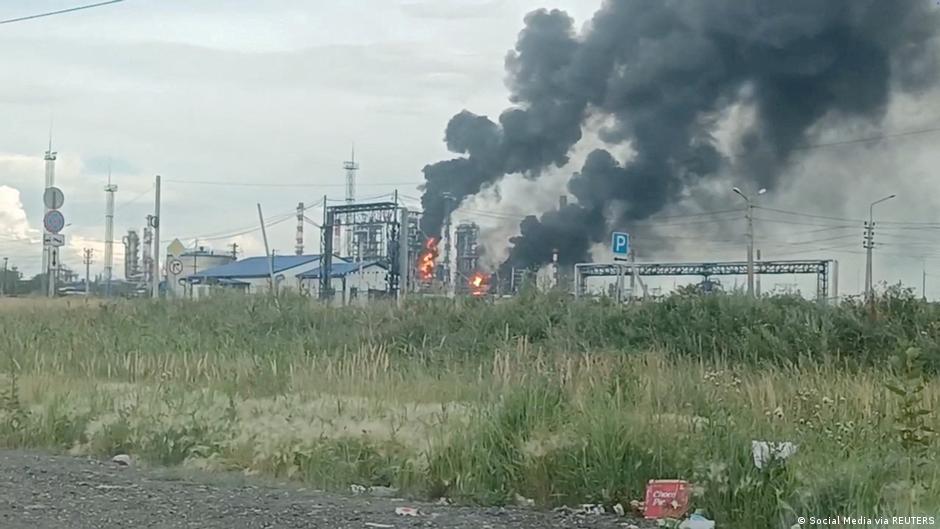
Amid ongoing disruptions in Russia’s fuel supply, the Saratov oil refinery has ceased operations indefinitely following damage from Ukrainian drone strikes, Reuters reports. This incident underscores increasing vulnerabilities in Russia’s energy infrastructure, with significant implications for the country’s industrial and investment landscape.
Impact on Refinery Operations and Energy Supply
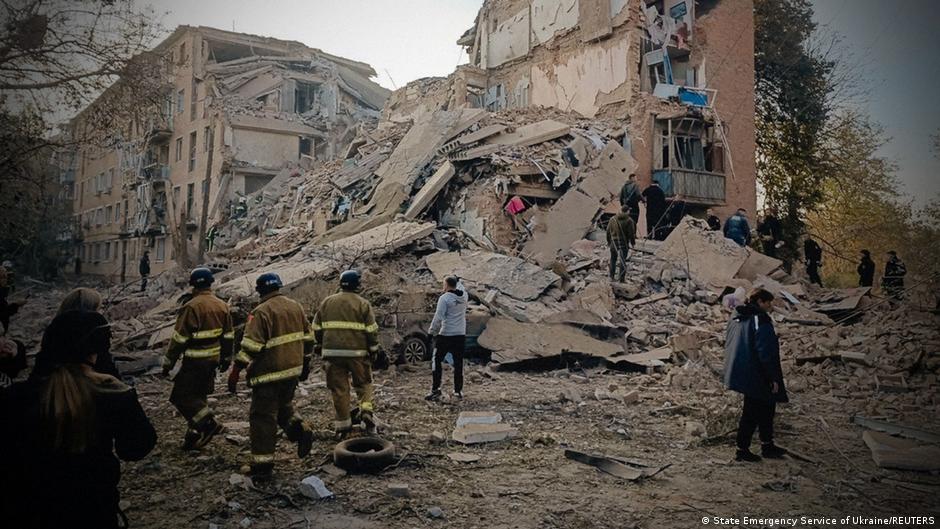
According to sources familiar with the situation, the Ukrainian unmanned aerial vehicles targeted the refinery’s primary crude distillation unit (CDU-6), which processes up to 20,000 tons of crude oil daily. This unit was the sole primary processing installation at the Saratov facility, making its damage critical. The governor of Saratov region, Roman Busargin, confirmed damage to "civil infrastructure objects" but provided limited detail. The Ukrainian General Staff stated that the strike on July 8 specifically targeted the Saratov refinery, operated by Rosneft, marking yet another attack since the onset of the Russia-Ukraine conflict.
Rosneft has not publicly responded to inquiries regarding the incident.
Throughout the first half of 2026, at least 13 Russian refineries have partially or fully suspended operations due to similar drone attacks, resulting in the loss of approximately 25% of Russia's oil refining capacity and 30% of gasoline and diesel fuel production. The shutdowns have created substantial supply chain disruptions.
For example, the refinery in Kapotnya near Moscow, hit in mid-June, is expected to remain partially offline until at least December, demonstrating the prolonged recovery timelines for damaged infrastructure.
Broader Effects on Fuel Availability and Market Dynamics
The fuel shortage caused by these refinery shutdowns affects approximately 50 million Russians, equivalent to about 35% of the country’s population, according to estimates by the Financial Times. Regions across Russia have introduced gasoline sales restrictions, with emergency readiness declared in areas such as Transbaikalia, Penza, and Irkutsk. Additionally, Russia has imposed a diesel export ban through July 31 to preserve domestic supply.
In response to these challenges, Russian authorities report that oil refining companies have maximized the utilization of operational plants, released previously stockpiled fuel volumes to the market, shortened repair periods, postponed scheduled maintenance, and leveraged medium and small-sized refineries to meet demand.
"Russian oil refining companies increased operation levels, released stockpiles, and adjusted maintenance schedules to mitigate the fuel shortage," said Deputy Prime Minister Alexander Novak.
Implications for Startups and Venture Investment in Russia’s Energy Tech
This series of attacks and ensuing disruptions underscore the strategic vulnerability of Russia’s traditional energy infrastructure, accelerating the need for innovation in energy technology and security. For startups and investors in Russia’s energy tech sector, these developments could create new opportunities for ventures focused on infrastructure resilience, alternative fuel production, and drone defense systems.
Moreover, supply chain volatility may drive demand for advanced analytics, predictive maintenance technologies, and decentralized energy solutions. Venture capitalists might find emerging niches in technologies that can mitigate operational risks or facilitate rapid recovery from attacks and disruptions.
However, the geopolitical risks and operational uncertainties could also dampen foreign investment appetite, complicating the fundraising environment for energy-related startups. The situation stresses the importance of robust risk assessment and adaptive business models in Russia’s evolving innovation ecosystem.
As the conflict continues to impact industrial assets, the interplay between security challenges and technological innovation will be a critical dynamic shaping Russia’s energy sector and startup landscape in the near term.