Cuban Blackout Highlights Growing Energy Crisis Amid U.S. Sanctions Impacting Tech and Innovation
Cuba’s power grid failure amid tightening U.S. sanctions signals potential setbacks for local startups and the broader innovation ecosystem.
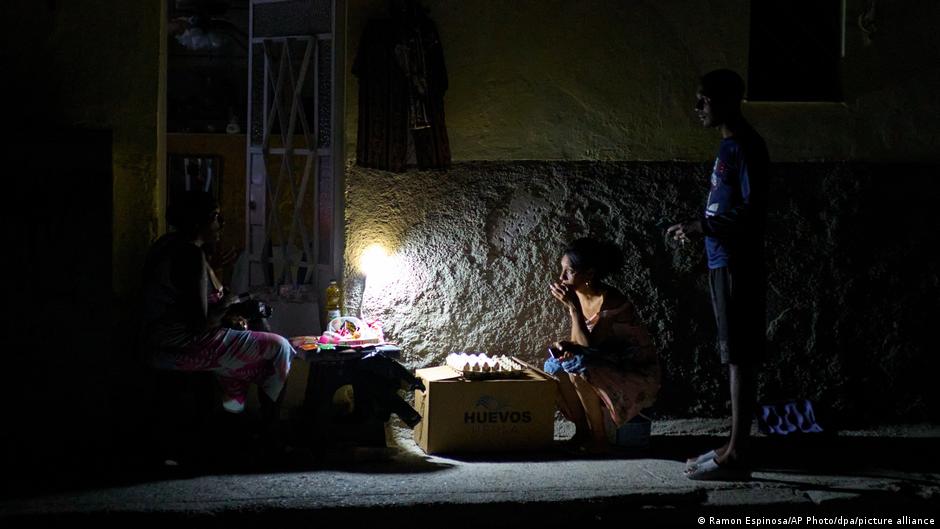
Cuba experienced a nationwide blackout on July 6, 2026, as its electrical grid completely failed, according to the state utility company Unión Eléctrica. Authorities have initiated restoration efforts, but the underlying causes remain under investigation. This incident occurs amid escalating economic and political pressure from the United States, further complicating Cuba's already fragile energy infrastructure.
Energy Crisis and Its Ripple Effects on the Startup Ecosystem
For Cuba’s population of approximately 10 million, the blackout adds to a series of recurring electricity disruptions that have severely limited daily activities and economic productivity. The U.S. sanctions, which include strict limitations on petroleum imports, have significantly exacerbated the chronic power shortages. Since January 2026, Cuba has been allowed to import oil from only one Russian tanker, delivering 730,000 barrels in late March, which were depleted by May.
Such interruptions in power supply have profound consequences beyond immediate citizen hardships. Tech startups and emerging ventures within Cuba face operational challenges due to unreliable electricity, limiting their capacity for innovation, product development, and scaling. Frequent blackouts disrupt digital infrastructure, delay communications, and increase operational costs, deterring venture capital interest and foreign investments in the Cuban tech sector.
“The persistent energy instability directly undermines the foundations of a vibrant innovation ecosystem, affecting everything from startup incubation to attracting venture funding,” said industry analysts.
Prior outages in March and May led to multi-hour blackouts affecting the entire country and eastern provinces respectively. The government has also implemented scheduled power cuts lasting up to 24 hours to conserve electricity, further complicating business continuity for technology firms and service providers.
Economic Reforms and Stalled Diplomacy
In response to the mounting crisis, Cuban authorities introduced sweeping reforms in June 2026, including the largest partial privatization in 65 years and nearly 200 market-oriented measures aimed at easing the fuel blockade imposed by Washington. These reforms are designed to revitalize the economy and create a more favorable environment for private enterprise and innovation.
However, diplomatic negotiations between Cuba and the U.S. have reached an impasse, with the White House under former President Donald Trump maintaining pressure to push for regime change in Havana. This political deadlock threatens to prolong the energy crisis and stifle progress for the island’s emerging startup ecosystem.
Given these dynamics, Cuba's technology sector faces significant headwinds. Without reliable energy and a stable political environment, Cuban startups may struggle to attract venture capital or engage in mergers and acquisitions, essential components of a thriving innovation economy.
As Cuba grapples with these challenges, the international business community and venture capitalists monitoring emerging markets must consider the risks associated with investing in environments destabilized by infrastructure failures and geopolitical tensions.