Canada Selects German TKMS for $100 Billion Submarine Deal Boosting European Defense Tech
Canada's choice of TKMS to build up to 12 212CD submarines signals a major transatlantic defense collaboration with implications for the tech and defense startup ecosystem.
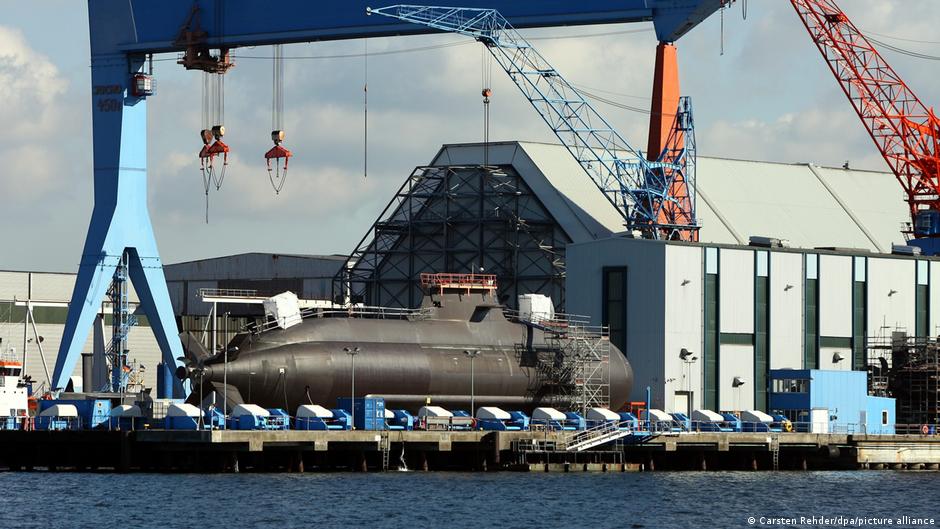
Germany’s Chancellor Friedrich Merz and top defense officials have welcomed Canada’s decision to purchase up to 12 non-nuclear submarines from German manufacturer ThyssenKrupp Marine Systems (TKMS), marking a significant milestone in transatlantic defense cooperation and technological innovation.
Strategic Impacts on Defense Industry and Innovation Ecosystem
Announced on July 6, the $100 billion deal involves the construction of submarines of the 212CD type, a joint German-Norwegian design. Chancellor Merz described Canada’s procurement as a "powerful signal" ahead of the NATO summit, emphasizing the strengthening of European and North American defense ties.
The contract positions TKMS at the center of a major industrial and technological partnership, requiring advanced manufacturing capabilities and innovation in submarine stealth, propulsion, and communication systems. For the European defense tech sector, this deal underlines the increasing role of collaborative ventures in building sophisticated military platforms.
Minister of Defense Boris Pistorius highlighted that the combined fleet of Germany, Norway, and Canada will become the world’s largest and most modern non-nuclear submarine force, vital for NATO’s security strategy in the Arctic and North Atlantic regions. This multinational fleet will enable real-time intelligence sharing and operational coordination, powered by cutting-edge marine technology.
"Together we will create the largest and most advanced non-nuclear submarine fleet worldwide, capable of rapidly exchanging and analyzing intelligence across critical theaters," said Pistorius.
Moreover, the German Foreign Minister Johann Wadephul praised the success of TKMS in securing this contract against strong competition from South Korea’s Hanwha Ocean. He underscored that the deal opens a “new chapter” in defense and industrial policy by aligning three countries’ efforts toward innovative maritime defense solutions.
For tech startups and venture capitalists, the contract signals potential opportunities in defense-related research and development, especially in areas such as underwater robotics, sensor technology, and cybersecurity for naval systems. The sustained operational and maintenance phase expected over coming decades could also foster an ecosystem of specialized service providers and technology innovators.
Industry observers note that the deal’s scale and complexity could prompt increased investment flows into the European maritime defense sector, encouraging startups focused on dual-use technologies applicable both commercially and militarily. The long-term nature of the project also suggests a durable demand pipeline for innovation-driven companies.
Overall, Canada's selection of TKMS not only strengthens transatlantic defense partnerships but also has broader implications for the innovation landscape, potentially catalyzing growth in venture capital funding dedicated to defense tech startups and advancing Europe’s position in the global defense manufacturing market.