Drone Attack Near Moscow Disrupts Airports and Raises Startup Risk Concerns
Russian officials said air defenses destroyed more than 100 drones bound for Moscow as airport restrictions rippled across major transport hubs.
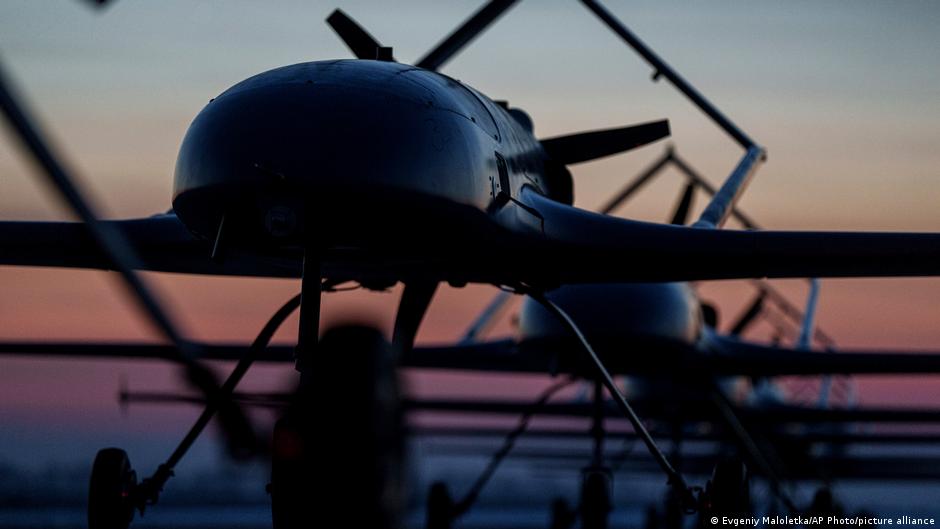
Russian officials reported a large-scale overnight drone attack aimed toward Moscow on Wednesday, October 14, with more than 100 unmanned aerial vehicles destroyed by air defense systems, according to Telegram posts by Moscow Mayor Sergei Sobyanin. The incident triggered temporary restrictions across all major Moscow airports, forced aircraft diversions to other cities, and widened concerns about operational risk for companies, investors, and technology startups operating in or around Russia’s main economic center.
Sobyanin did not specify which districts of the Moscow region saw drones destroyed, nor did he identify the potential targets. The lack of detail left the immediate commercial implications unclear. Still, the scale of the reported attack and the resulting disruption to air traffic underscored how wartime security threats continue to intersect with business continuity, logistics, and investor risk assessment.
Temporary restrictions on aircraft arrivals and departures were introduced on the evening of October 13 at Vnukovo, Domodedovo, Sheremetyevo, and Zhukovsky airports, according to notices published by the Telegram channel “Govorit Rosaviatsiya.” Those airports form the core of the Moscow aviation hub, a critical gateway for executive travel, cargo movement, technical specialists, and corporate operations.
Transport Disruption Hits a Core Business Hub
According to the TASS news agency, more than 30 planes bound for Moscow were redirected to other cities. Nineteen aircraft scheduled for Vnukovo instead landed in Nizhny Novgorod, St. Petersburg, Minsk, Pskov, and Istanbul, TASS reported. The Telegram channel “Ostorozhno, Novosti,” associated with journalist Ksenia Sobchak, wrote that, based on data from St. Petersburg’s Pulkovo airport, 20 planes flying to Moscow had been diverted there because of the restrictions.
For startups and technology companies, such disruptions can matter beyond passenger inconvenience. Moscow remains a concentration point for corporate headquarters, engineering teams, investors, professional services, and government-linked procurement. Delays at airports can affect founder meetings, technical deployments, investor roadshows, due diligence schedules, and time-sensitive commercial negotiations. For venture capital firms and strategic acquirers, the episode is another reminder that security conditions can quickly alter the practical cost of doing business.
Restrictions were not limited to Moscow. The “Govorit Rosaviatsiya” Telegram channel reported that overnight restrictions on October 14 were also introduced at airports in Volgograd, Nizhny Novgorod, Samara, Penza, Saratov, and Yaroslavl. The airline Pobeda also reported schedule adjustments because of prolonged restrictions at airports in the Moscow aviation hub and the Volga region, according to “Ostorozhno, Novosti.”
“As a result of the UAV attack, there is damage to several residential buildings in the city of Balakovo. Preliminary information: one person has died. All emergency services are working at the scene,” Saratov Region Governor Roman Busargin said in a Telegram post.
The reported death in Balakovo, a city in the Saratov region, adds a human cost to the broader infrastructure disruption. Busargin said at least one person had died after the drone attack damaged several residential buildings. The authorities did not provide further details in the source material about the victim or the exact scale of the property damage.
Security Risk Becomes an Innovation-Economy Variable
Stavropol Territory Governor Vladimir Vladimirov also reported that air defense forces had repelled a drone raid aimed toward the industrial zone of Nevinnomyssk. He did not specify which industrial facilities may have been targeted. The reference to an industrial zone is notable for companies and investors because industrial infrastructure can sit at the center of hardware supply chains, energy services, chemicals, logistics, and manufacturing-adjacent technology businesses.
The source reports did not identify any technology companies, venture funds, or startups as direct targets. However, the geography of the restrictions and the nature of the alleged targets highlight a broader issue for the innovation ecosystem: physical security has become inseparable from capital allocation and operational planning. For investors assessing companies with exposure to Russia’s transport corridors, industrial zones, or regulated infrastructure, drone activity and air defense responses can influence risk premiums, insurance assumptions, and M&A execution timelines.
Technology startups are particularly exposed to disruption when they depend on rapid travel, hardware shipments, field deployment, or customer access in industrial and transportation sectors. Even when digital operations remain online, the real-world movement of people and equipment can be disrupted by airport closures and diversions. That matters for companies in enterprise software implementation, robotics, aviation services, logistics optimization, industrial automation, and security technology.
The incident may also shape demand for dual-use and infrastructure-protection technologies, although the source material does not provide evidence of any new contracts, funding rounds, or procurement decisions linked to the attack. In similar operating environments, demand can rise for detection systems, resilient communications, operations software, and contingency planning tools. In this case, the factual record is limited to official and media reports of drones, air defense activity, airport restrictions, diversions, schedule changes, and damage in several regions.
For venture capital, the key signal is not a single disruption but the persistence of uncertainty around major economic nodes. Investors evaluating startups in affected markets must account for interrupted mobility, unpredictable logistics, and the possibility that regional airports or industrial districts could face temporary restrictions with little warning. M&A teams may likewise need to build more flexibility into site visits, management meetings, and closing processes when assets depend on physical operations in exposed regions.
As of the reports cited in the source, Russian officials said more than 100 drones heading toward Moscow had been destroyed, while authorities in Saratov confirmed at least one death and damage to residential buildings in Balakovo. Officials also reported defensive action near Nevinnomyssk’s industrial zone. The immediate business impact was visible in aviation: restrictions across the Moscow hub and several regional airports, diversions to multiple cities, and schedule adjustments by Pobeda after prolonged limitations.