Germany Approves Arms Exports to Israel Amid Middle East Conflict, Impacting Defense Startups
Despite ongoing war with Iran, Germany authorized arms shipments to Israel worth millions of euros, highlighting complexities for defense tech and venture funding.
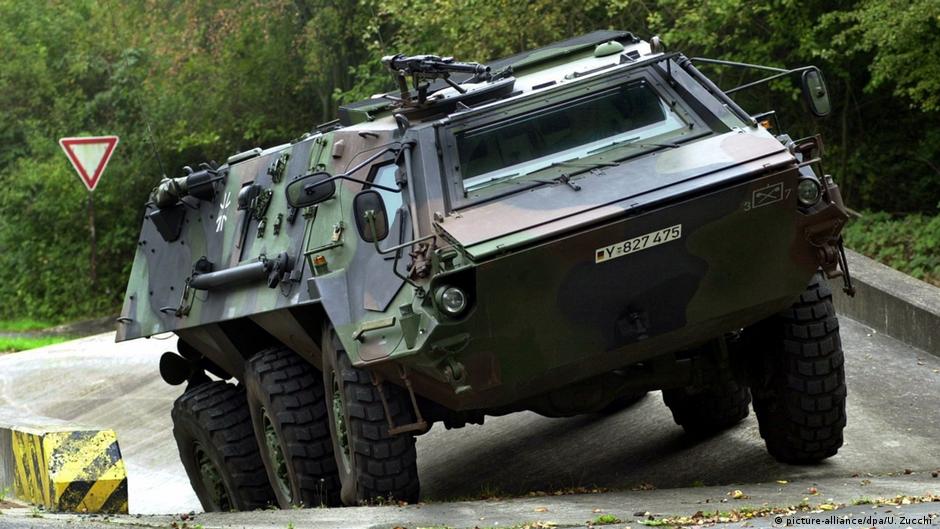
Germany has continued to approve arms exports to Israel in the early stages of the ongoing conflict involving Israel, the United States, and Iran. From February 28, the day of the joint Israeli-American military actions against Iran, through March 27, Berlin authorized weapons deliveries totaling €6.6 million. This development comes despite existing German export regulations largely prohibiting arms shipments to war zones and crisis regions.
Exceptions in Export Policies and Their Implications for Defense Innovation
The German government’s arms export principles, established in 2000, generally forbid shipments to conflict areas. However, notable exceptions exist including support for Ukraine in its defense against Russia, as well as a special treatment clause for Israel. Following the Hamas terrorist attack on Israel on October 7, 2023, Germany intensified arms supplies to Israel, issuing export licenses worth nearly half a billion euros under Chancellor Olaf Scholz’s administration.
"Solidarity with Israel does not mean approval of every government decision or an obligation to provide military support," stated Chancellor Friedrich Merz in August 2025.
In August 2025, Chancellor Friedrich Merz ordered a temporary halt on arms exports to Israel that could be used in the Gaza war, reflecting growing domestic and international unease over Israel’s military actions. This partial embargo was met with strong criticism from both Israeli officials and members of Merz’s own Christian Democratic Union party in Germany. After a ceasefire agreement between Israel and Hamas, Berlin lifted these restrictions. Yet, even during the embargo, arms exports licenses worth €10.44 million were granted, indicating ongoing defense sector engagements.
From a venture capital and startup ecosystem perspective, these policy shifts have direct and indirect effects on German and European defense technology companies. The defense industrial complex, often supported by government contracts and export deals, serves as a critical funding and growth driver for many startups innovating in weapon systems, cybersecurity, and related technologies. The intermittent arms export restrictions create uncertainties that can affect investment decisions, partnership opportunities, and the strategic direction of these startups.
Ulrich Thoden, a member of the German Left Party, has publicly criticized the federal government for enabling arms exports that, in his view, exacerbate regional conflicts. He calls for an immediate and complete cessation of arms shipments to Israel, emphasizing the ethical and economic consequences of war-driven profits in the military-industrial sector.
For venture capitalists and technology investors focusing on defense and security startups, Germany’s nuanced export stance underscores the importance of geopolitical risk assessment. While defense startups may benefit from government contracts and export opportunities, shifts in political will or international pressure can rapidly alter market access and growth trajectories.
Moreover, the German case highlights how government policy can serve as a double-edged sword: on one hand, providing critical funding inflows that fuel innovation and product development; on the other hand, introducing volatility and ethical dilemmas that investors and entrepreneurs must navigate carefully.
In addition, these developments may prompt startups to diversify their product offerings beyond conventional arms production, exploring dual-use technologies or focusing on areas less susceptible to embargoes and geopolitical fluctuations, such as cybersecurity or non-lethal defense systems.
Overall, Germany’s arms export decisions amid the Middle East conflict reveal the complex interplay between geopolitics, government policy, and the defense startup ecosystem. For venture capitalists and innovators, staying informed about political developments and export regulations is crucial to effectively manage risks and capitalize on emerging opportunities within the defense sector.