U.S. Senate Rejects Resolution to End Military Conflict with Iran, Impacting Governance Dynamics
Senate refuses to limit presidential war powers against Iran, signaling continued executive control amid political division.
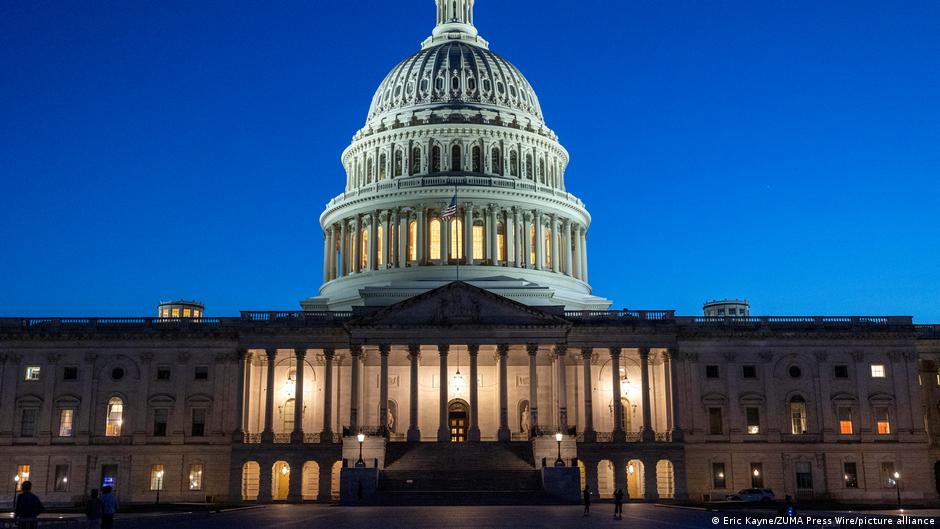
The U.S. Senate has voted against a resolution that sought to compel the Trump administration to halt military actions against Iran and withdraw American troops unless Congress formally authorizes the use of force. This marks the fourth time within a year that the Senate has declined to restrict the president's authority to engage in war without congressional approval.
Implications for Political Control and Governance
The resolution, introduced by Democratic senators, was supported by 47 members but rejected by 52, reflecting the current Republican majority in the upper chamber. The Democrats argue that the military campaign against Iran lacks legal justification and have pledged to continue pushing similar measures to end the conflict.
"We intend to persist in bringing these resolutions to the Senate floor until the conflict is resolved," said one Democratic lawmaker involved in the initiative.
Under the War Powers Act of 1973, Congress must declare war or authorize the use of military force within 60 days of the initiation of hostilities; this deadline is approaching at the end of April, with a possible 30-day extension permissible under the legislation. The Senate's vote effectively allows the executive branch to maintain military operations without immediate congressional consent.
Consequences for the Innovation Ecosystem and Venture Capital
While the vote primarily concerns foreign policy and constitutional authority, it holds indirect significance for the technology and venture capital sectors. Persistent geopolitical instability and executive-legislative tensions can impact market confidence, international partnerships, and the risk appetite of investors.
Startups, especially those engaged in defense technology, cybersecurity, and related fields, may experience shifts in government contracts and funding priorities depending on the trajectory of U.S.-Iran relations. Furthermore, venture capital firms often consider geopolitical risk as a factor when evaluating investments in emerging markets or startups with international exposure.
"Political stability and clear governance frameworks are essential for fostering innovation and attracting investment," noted an industry analyst. "Uncertainty around military conflicts and executive decision-making can ripple through the startup ecosystem, influencing funding flows and strategic planning."
As discussions around the role of Congress in authorizing military force continue to dominate domestic politics, the broader implications underscore the interconnectedness of governance, security, and economic innovation in the U.S.