Russia’s May 9 Victory Day Parade to Exclude Military Hardware Amid Operational Tensions
Moscow’s traditional Victory Day parade will forgo military vehicles for the first time in years, signaling operational and security concerns impacting public events.
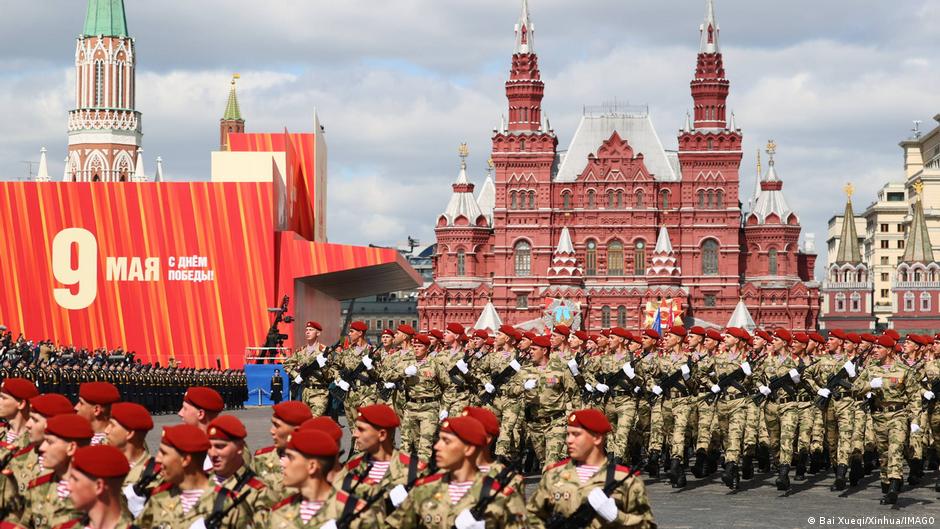
For the first time in many years, Russia’s historic Victory Day parade on May 9, 2026, in Moscow will proceed without the customary display of military hardware. The Russian Ministry of Defense announced this change on April 28, attributing the decision to the "current operational situation." Although armored vehicles and other military equipment will be absent from Red Square, the parade will still feature combat aircraft flyovers.
Implications for Russia’s Defense Visibility and Broader Security Environment
The absence of military vehicles and cadet units, including those from Suvorov and Nakhimov military schools and cadet corps, marks a significant departure from tradition. The Ministry of Defense’s public communication on Telegram framed the decision as a response to heightened operational demands, reflecting ongoing military pressures.
"The decision to exclude military hardware from the parade is directly linked to the operational realities faced by the Russian military at this time," the Ministry stated.
Earlier reports and analyses had suggested a truncated parade format this year, citing sources close to the defense establishment and corroborated by observations from pro-military Telegram channels. Notably, there were no large-scale rehearsals involving military equipment in Moscow throughout late April, which is unusual compared to prior years.
The shift away from military hardware in the parade aligns with security concerns extending beyond the capital. Several Russian regions, including Nizhny Novgorod, Saratov, Chuvashia, and Kaluga Oblast, have canceled their mass Victory Day events, citing safety reasons. In regions close to Ukraine—Voronezh, Kursk, Bryansk, and Belgorod—authorities also announced the cancellation of celebratory fireworks.
These moves come against a backdrop of escalating Ukrainian counterattacks targeting Russian infrastructure, including sea ports on the Baltic Sea used for oil exports and a key oil refinery in Tuapse. This intensification of conflict zones within Russian territory appears to be influencing public event planning and military visibility.
Contextualizing the Parade Changes in Russia’s Military and Political Landscape
The Victory Day parade traditionally showcases Russia’s military prowess, with armored vehicles participating annually since 2008. The 2025 parade marked the 80th anniversary of the victory over Nazism and featured over 10,000 military personnel, including international contingents from North Korea, alongside approximately 200 units of military equipment spanning historic and modern models.
In 2025, the parade also emphasized Russia’s narrative linking World War II’s Soviet victory to the contemporary conflict in Ukraine. President Vladimir Putin publicly drew parallels between the Soviet war against Nazi Germany and Russia's ongoing military operations.
International attendance at last year’s parade included Chinese President Xi Jinping, leaders from several former Soviet republics, and representatives from countries such as Myanmar, Venezuela, and Egypt. The event was notably attended by Slovak Prime Minister Robert Fico, representing the EU and NATO, and Serbian President Aleksandar Vučić.
Given the traditionally high-profile nature of the Victory Day parade, the decision to exclude military hardware may signal shifting priorities in military resource allocation and heightened sensitivity around domestic security risks. Such changes could have downstream effects on Russia’s defense industry visibility and the broader innovation ecosystem around military technology.
For technology startups and venture investors focused on defense and dual-use technologies, these developments highlight the operational challenges facing Russia’s military sector and potential constraints on showcasing military innovations in high-profile public forums. Additionally, regional cancellations of mass events underscore the unpredictable security environment that could impact domestic market stability and investor confidence.