UK King Charles III Visits US Amid Strained Diplomatic Relations and Potential Impact on Tech Collaboration
King Charles III’s first US visit since 2007 occurs during tensions over Middle East conflicts, with implications for UK-US innovation and venture capital ties.
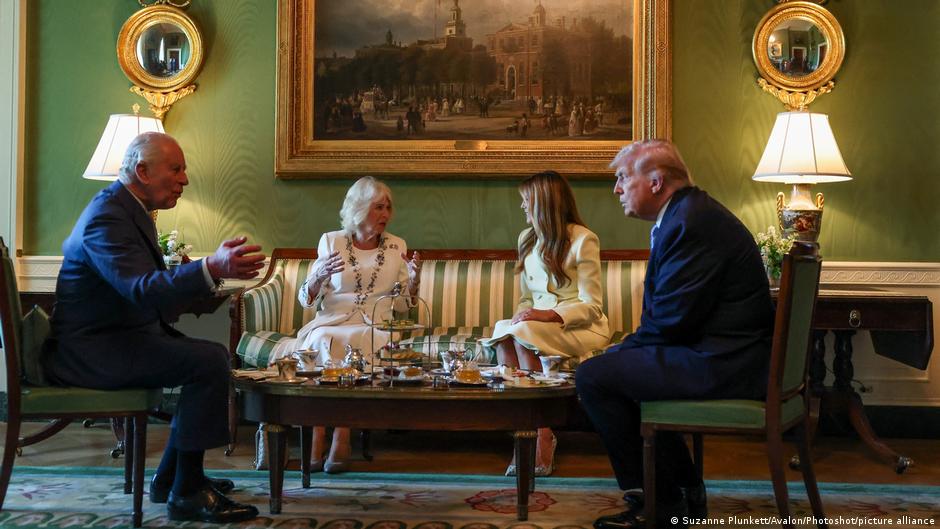
King Charles III of the United Kingdom arrived in the United States on April 27, 2024, marking his first official visit to the country since 2007. The visit comes amid heightened diplomatic tensions between the US and the UK, primarily due to disagreements over the ongoing conflict involving Iran. The king and Queen Camilla were warmly welcomed at the White House by former President Donald Trump and First Lady Melania Trump.
Diplomatic Context and Its Potential Impact on Tech and Innovation Ecosystems
This visit carries a sensitive diplomatic mission aimed at repairing the traditionally close US-UK relationship, which has recently experienced strains. Key points of contention include the UK government’s refusal to allow US military operations against Iran from British bases, as well as a decision not to deploy British naval forces to the strategically critical Strait of Hormuz. These decisions, announced by UK Prime Minister Keir Starmer, have challenged longstanding defense and strategic cooperation between the two countries.
The geopolitical frictions are compounded by personal criticisms exchanged between political leaders. In an April 1 interview with The Telegraph, Donald Trump dismissed the UK Royal Navy’s capabilities, calling the fleet "too old" to secure the Strait of Hormuz. He also criticized NATO allies as "cowards" for their positions on the Iranian conflict, likening the alliance to a "paper tiger" and openly considering a US withdrawal from the organization. Meanwhile, Prime Minister Starmer has publicly criticized global energy price volatility driven by geopolitical instability, pointing to investments in UK energy independence as a strategic priority.
"King Charles III’s visit aims to mend fences at a critical juncture for transatlantic relations, with potential ripple effects on joint innovation and venture capital partnerships," analysts note.
From the perspective of technology startups and venture capital, the current diplomatic climate raises important questions about the future of cross-border innovation collaboration. The US and UK have long benefited from robust technology partnerships, joint research initiatives, and venture funding flows that underpin the growth of emerging tech companies on both sides of the Atlantic. Any sustained chill in political relations could disrupt these synergies, affecting startup ecosystems and investment climates.
King Charles III’s scheduled address to both houses of the US Congress—the second-ever speech by a British monarch to the American legislature after Queen Elizabeth II’s 1991 address—symbolizes an effort to reinforce these historic ties. Following his Congressional speech, the royal couple will attend commemorative events in New York City honoring the victims of the September 11 attacks, reaffirming shared values and commitments.
Security considerations are notably robust for this visit, heightened by a shooting incident on April 25 at the Washington Hilton hotel during a White House Correspondents’ Association dinner attended by Donald Trump. The overall atmosphere of the visit underscores the delicate balance between diplomatic outreach and geopolitical uncertainty.
Implications for UK-US Venture Capital and Startups
Historically, the UK and US have shared a mutual interest in fostering innovation ecosystems, with Silicon Valley and London acting as pivotal startup hubs. The current political disagreements, if prolonged, risk complicating key areas such as:
- Cross-border venture capital investments and fund flows
- Collaborative research and development projects
- Talent mobility and exchange programs for entrepreneurs and tech professionals
- Defense-related technologies and cybersecurity cooperation leveraged by startups
However, the royal visit could act as a catalyst for renewed dialogue, encouraging private sector stakeholders to maintain and expand bilateral innovation partnerships despite political headwinds. Venture capital firms and startup founders will be closely monitoring developments to assess risks and opportunities arising from evolving US-UK relations.
In conclusion, King Charles III’s visit to the United States represents more than ceremonial diplomacy; it highlights the importance of sustaining the transatlantic alliance in technology and innovation. With global challenges reshaping economic and geopolitical landscapes, the health of UK-US relations will increasingly influence startup ecosystems and venture capital dynamics on both sides of the Atlantic.