Trump, Putin and Xi Summit Puts Tech Investment Risks in Focus
The planned APEC meeting in Shenzhen could shape geopolitical risks facing technology startups, investors and cross-border dealmakers.
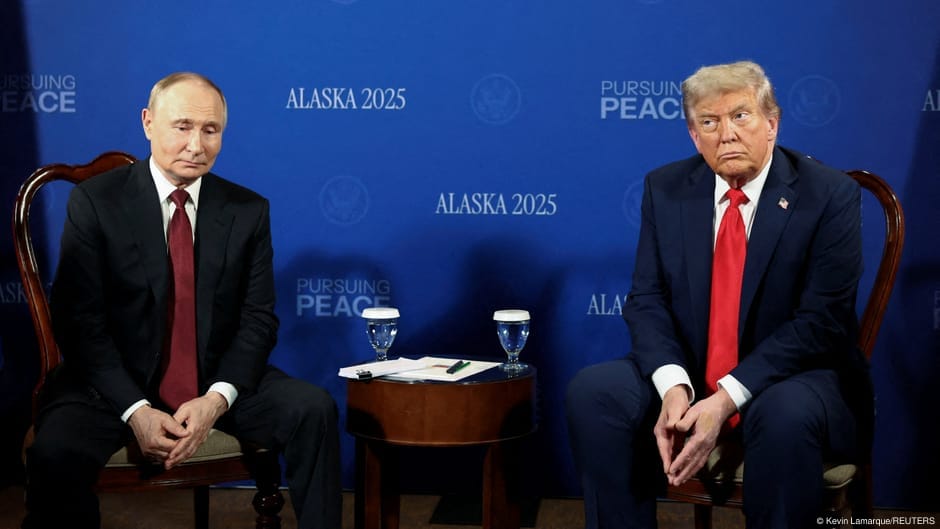
The leaders of the United States, Russia and China are expected to meet on November 19 on the sidelines of the annual Asia-Pacific Economic Cooperation summit in Shenzhen, according to the White House. For venture capital firms and technology startups, the planned encounter will be closely watched for signals about geopolitical stability, cross-border investment and the regulatory environment surrounding strategically important technologies.
US President Donald Trump, Russian President Vladimir Putin and Chinese President Xi Jinping are due to participate in what officials described as the first trilateral meeting among the leaders of the three countries. White House representative Olivia Wales confirmed the meeting after earlier media reports about the plan.
The source material contains a date discrepancy: its headline identifies November 19, while the body describes the meeting as taking place on Thursday, October 19. The White House statement cited in the report presents the gathering as part of the APEC summit in Shenzhen.
Nuclear talks take priority
The main subject is expected to be the development of a broad nuclear arms-control agreement. A senior US official told CNN that the administration did not anticipate an immediate accord and instead viewed the meeting as the beginning of a longer process.
“We do not expect any agreement to be concluded. I would describe this as an initial stage, as a first conversation — at least at the leaders’ level — among these countries,” the official said.
Although nuclear arms control sits outside the routine scope of startup finance, any movement toward greater strategic predictability could matter to investors assessing long-term exposure to the United States and China. Technology companies increasingly operate in markets shaped by national-security reviews, export restrictions and political scrutiny of sensitive intellectual property. The summit will therefore be relevant to venture funds and founders even if it produces no formal agreement.
Potential discussions may also include the US war against Iran and the situation surrounding North Korea, The New York Post reported, citing a Trump administration representative. Another US official said the leaders were unlikely to address efforts to end the war in Ukraine.
“China is not a participant in this process, so discussing Ukraine here would be inappropriate,” the official said.
The official added that no bilateral meeting between Putin and Trump was planned. That limitation reduces the likelihood that the summit will become a separate negotiating channel on Ukraine, despite earlier reporting about Moscow’s preferred agenda.
Implications for startups and venture capital
For the innovation economy, the significance of the meeting lies less in a specific startup policy announcement than in the broader relationship among three major geopolitical powers. Shenzhen is one of China’s most prominent technology and manufacturing centers, making the location particularly relevant to companies dependent on electronics supply chains, hardware production and access to Asian markets.
Venture investors will be looking for indications of whether Washington and Beijing can sustain high-level dialogue on security issues. A more predictable relationship could improve confidence around investment planning and cross-border transactions. Continued friction, by contrast, would keep geopolitical risk central to due diligence, particularly for startups working in artificial intelligence, semiconductors, cybersecurity, aerospace and other dual-use fields.
The talks could also affect expectations for mergers and acquisitions involving technology assets. National-security considerations already influence how governments evaluate foreign buyers and strategic investors. While the meeting is not expected to deliver an agreement, the tone of the discussions may help dealmakers judge whether scrutiny of sensitive transactions is likely to intensify or whether limited channels for cooperation remain open.
The summit proposal was reported in October by The Wall Street Journal. According to that account, Putin suggested holding a trilateral meeting with Trump and Xi during the APEC forum in China. The Russian leader reportedly wanted to discuss terms for ending Russia’s war against Ukraine without representatives of the European Union or Kyiv taking part.
Trump said he was prepared to attend such a meeting but wanted its agenda to focus on nuclear disarmament rather than the war in Ukraine. That position aligns with the White House’s description of arms control as the planned meeting’s central subject.
China signals Ukraine is a European matter
German President Frank-Walter Steinmeier discussed the possible trilateral summit with Xi during an official visit to China in early November. In an interview with German public broadcaster ARD, Steinmeier said Xi had emphasized that China was not preparing for Ukraine negotiations at the meeting.
“He specifically pointed out that this is a European conflict and that Europeans must be present at the negotiating table,” Steinmeier said.
For founders and investors, that distinction reinforces the fragmented nature of geopolitical negotiations. The summit may open dialogue among Washington, Moscow and Beijing, but it is not expected to resolve the conflicts and sanctions regimes that continue to complicate international fundraising, market entry and acquisitions. Its immediate value to the technology sector may therefore come from clearer signals about strategic priorities rather than from concrete policy changes.



