Huawei Conviction Raises New Risks for Telecom Startups and Investors
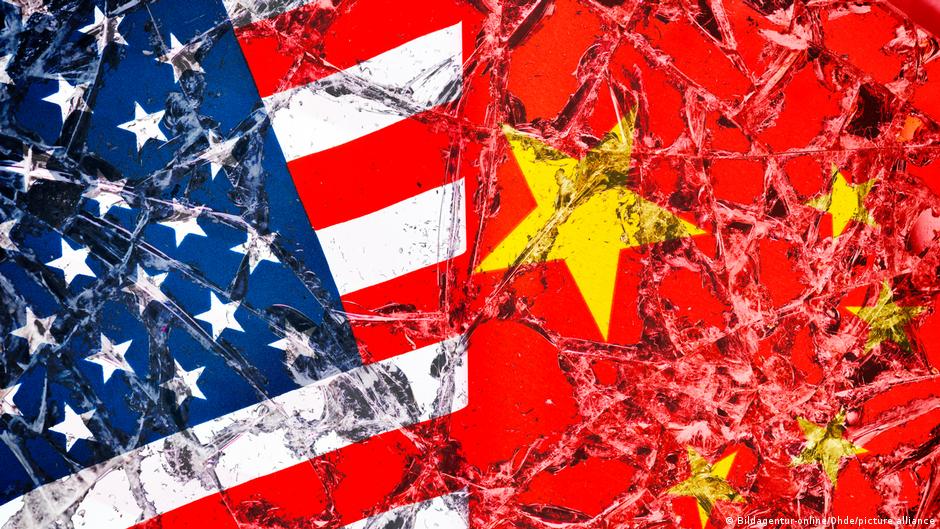
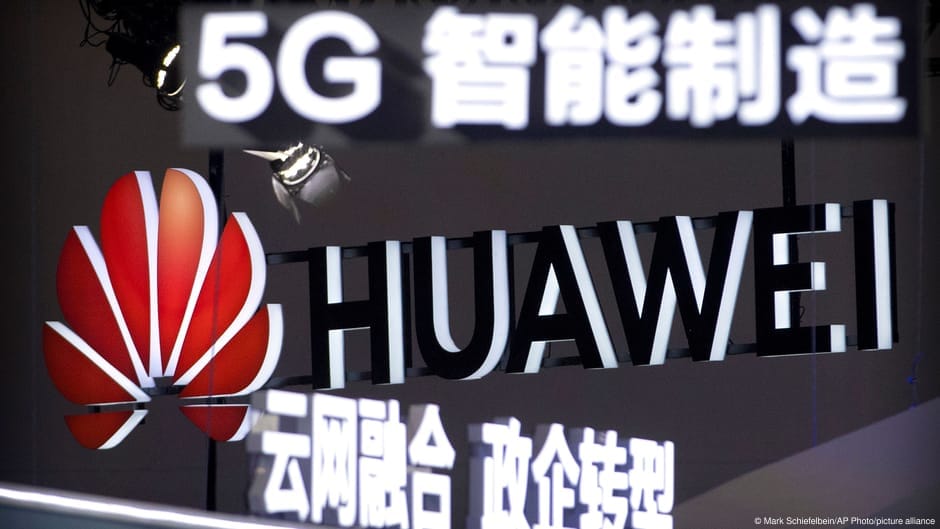
Huawei’s US conviction intensifies scrutiny of intellectual property, sanctions compliance and geopolitical exposure across telecom startups and venture portfolios.

Huawei’s US conviction intensifies scrutiny of intellectual property, sanctions compliance and geopolitical exposure across telecom startups and venture portfolios.

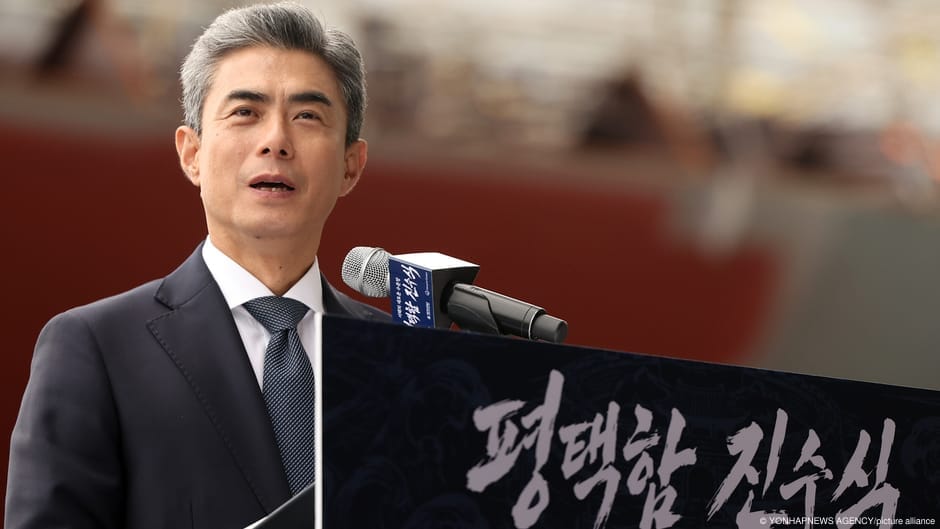
Russian aircraft briefly entered South Korea’s KADIZ, triggering fighter deployments, a diplomatic protest and scrutiny of emergency-alert technology.

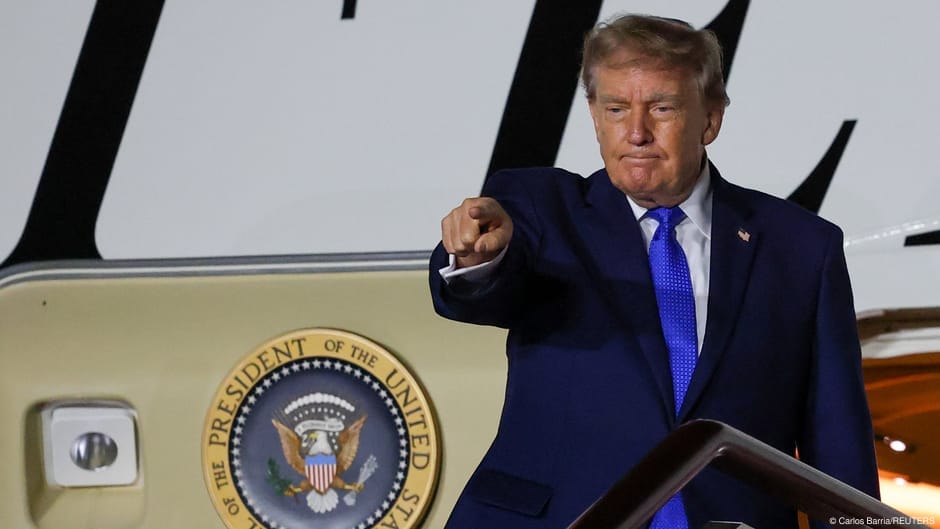
Trump’s drive for a Ukraine agreement before January 2027 could reshape defense-tech funding, startup risk and M&A across Europe.

Trump endorsed Kyiv’s direct role in decisions on the war, while a US-China-Russia summit left investors without a concrete roadmap for Ukraine.

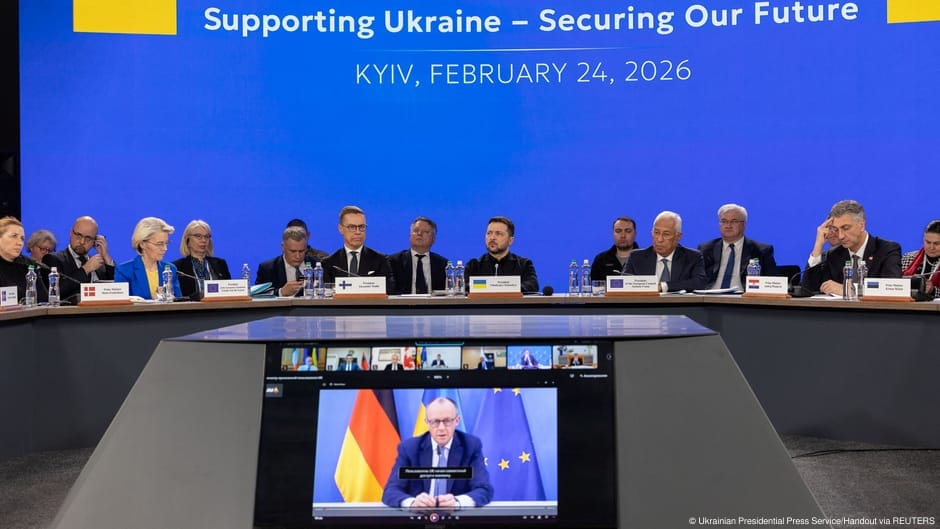
Berlin talks on Ukraine aid and European security could influence procurement, venture funding and consolidation across the region’s defense-tech sector.

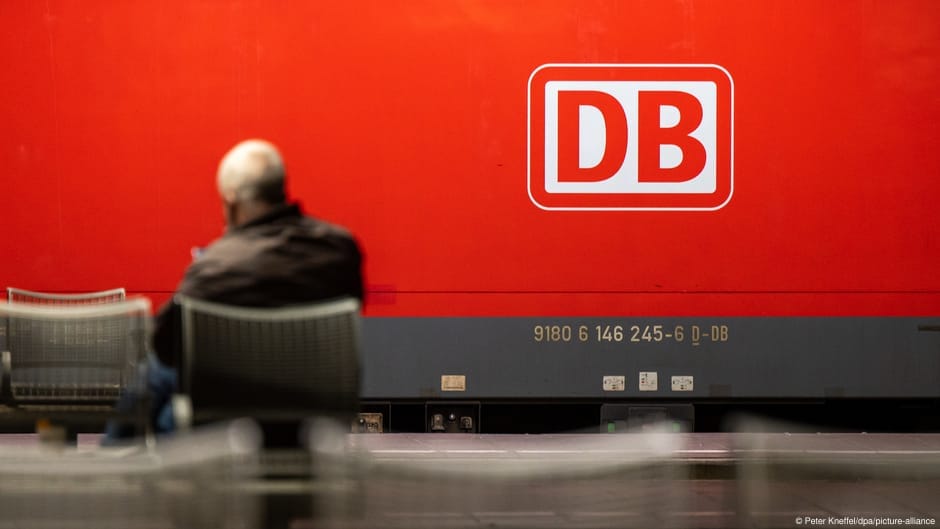
Reported flows through DB Cargo’s Russian subsidiary highlight sanctions, due-diligence and M&A risks for logistics technology investors.

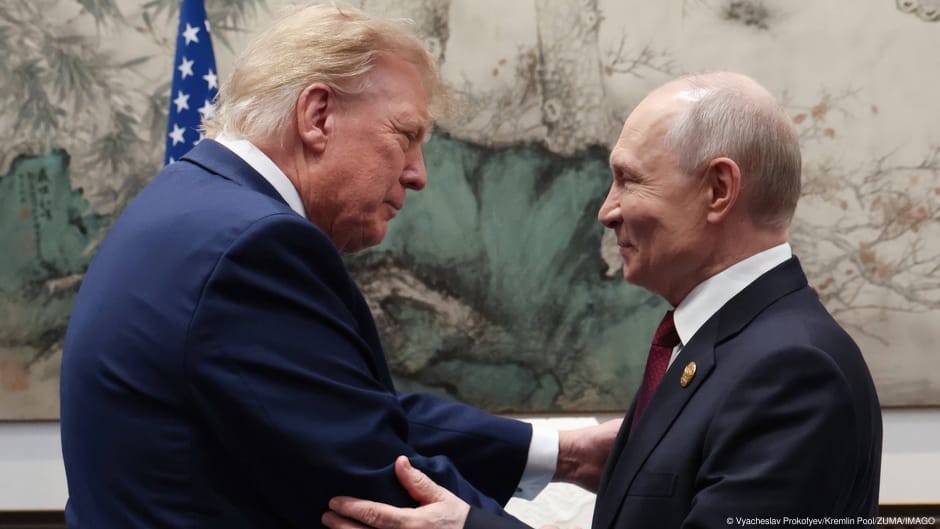
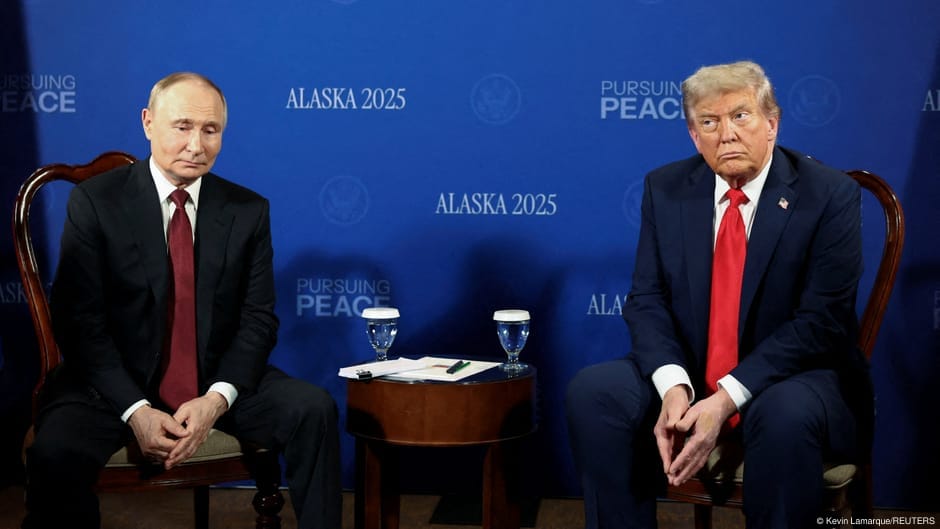
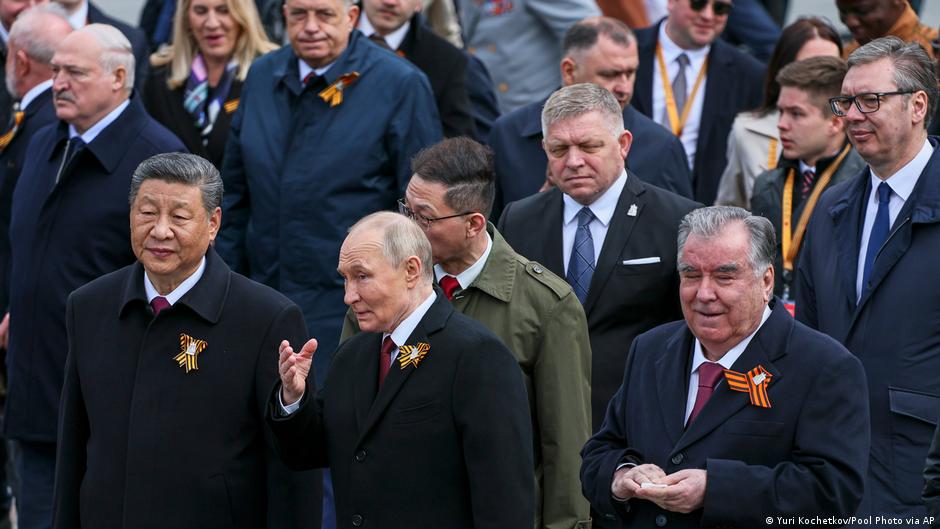
The planned Trump-Putin-Xi meeting in Shenzhen puts geopolitical risks for startups, venture funding and cross-border technology deals under scrutiny.

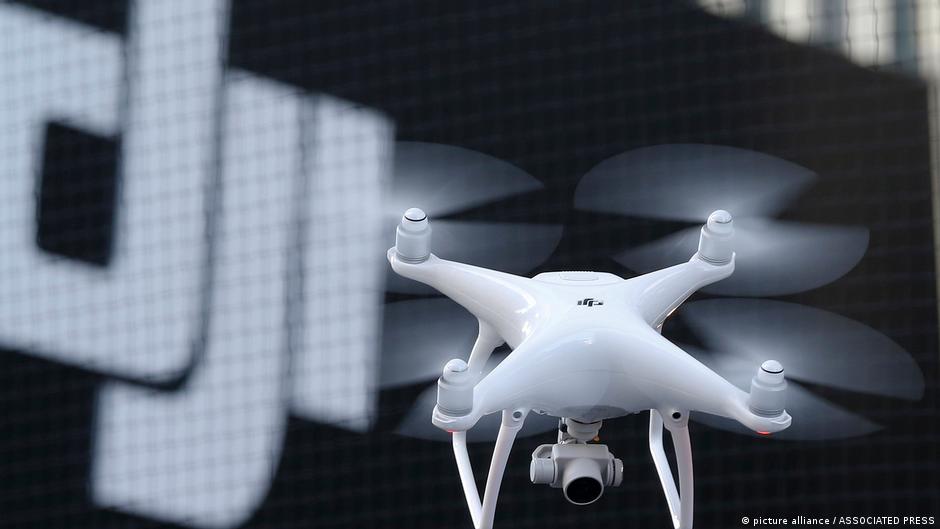
Germany’s ban on Chinese drones and vehicles at military sites could redirect procurement toward European defense and security technology startups.

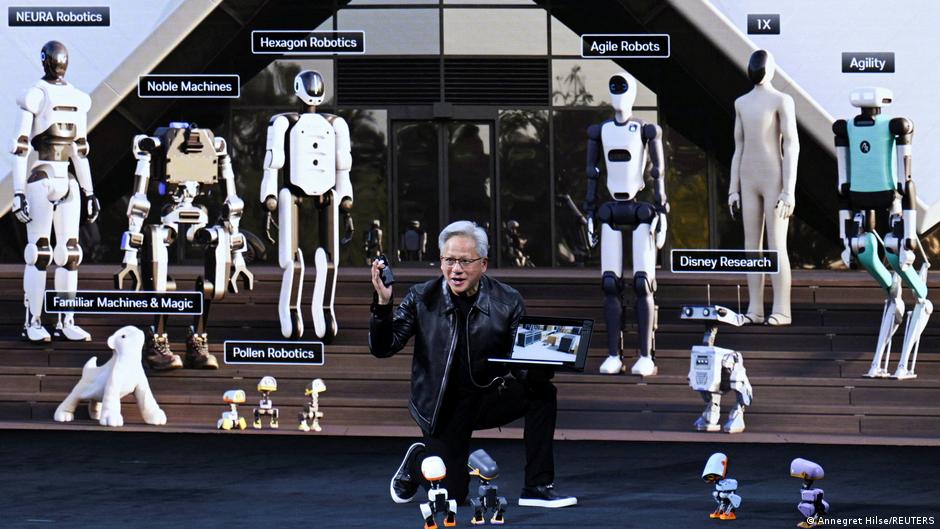
Nvidia’s board is investigating CEO Jensen Huang’s reported relationship with a woman suspected of Chinese intelligence ties, raising governance risks across the AI ecosystem.

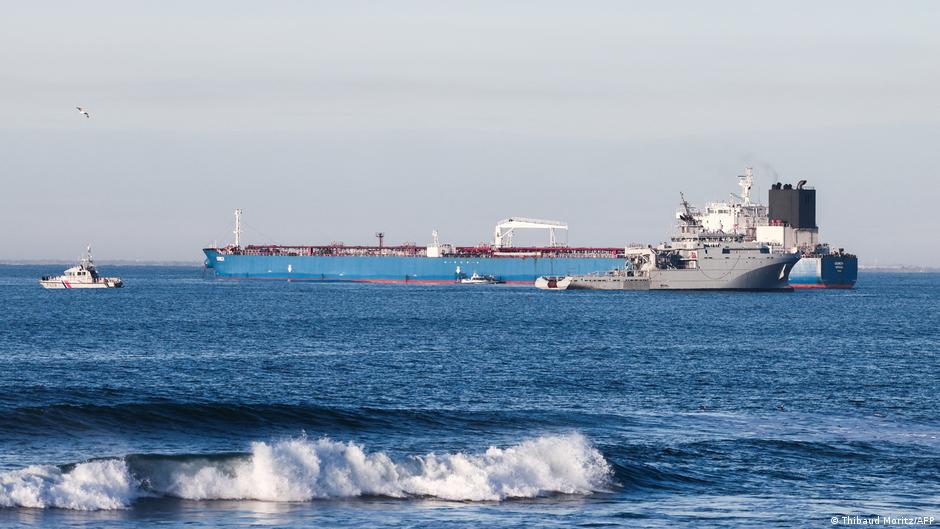
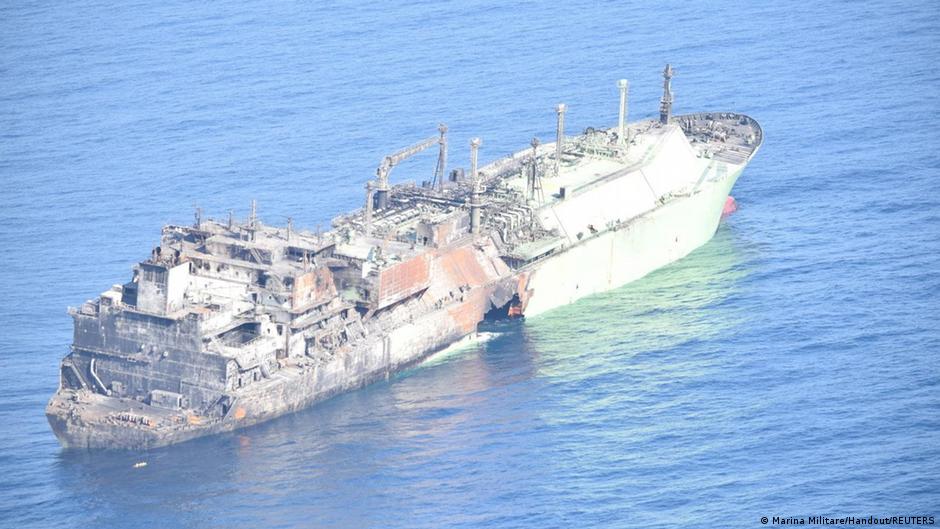
MYRA’s distress signal off Ireland highlights demand for maritime monitoring, sanctions compliance and ownership-mapping technologies.

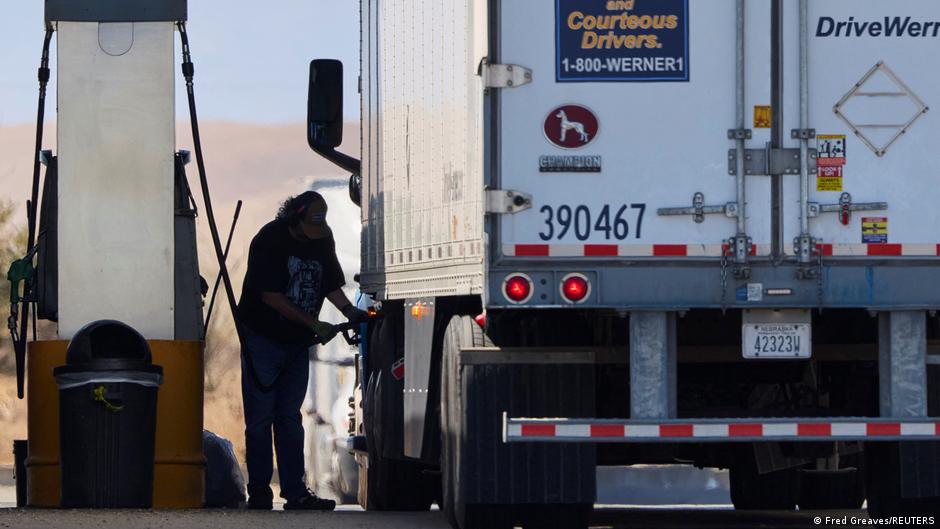
A bipartisan Senate group says Trump’s Russian diesel deal would aid the Kremlin while offering little fuel-price relief to Americans.

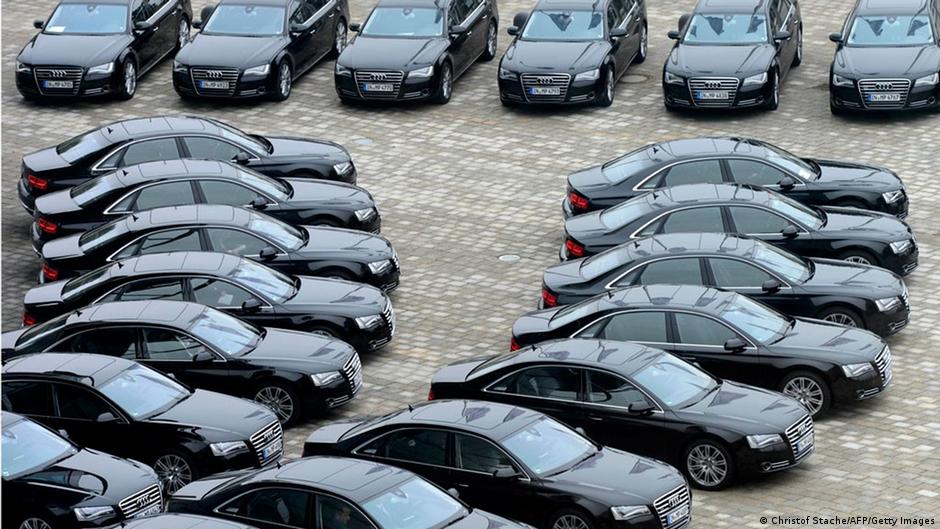
Raids in Germany and Austria over alleged vehicle exports to Russia point to rising sanctions compliance risks for mobility and trade-tech startups.

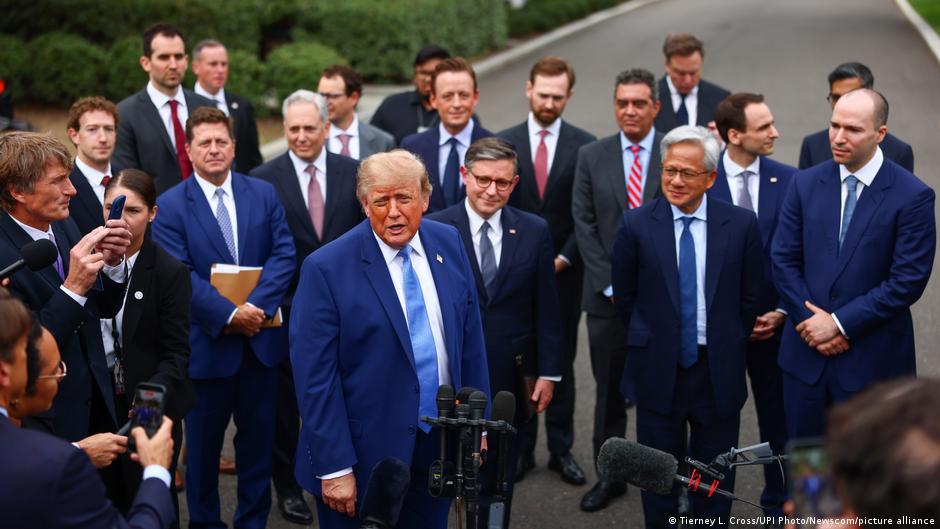
Trump’s voluntary AI safety pact with major tech companies could reshape startup compliance, VC diligence and M&A in the AI sector.

CREA says Russia’s ship registry grew 36% as shadow-fleet pressure intensified, raising compliance and risk issues for energy tech startups.

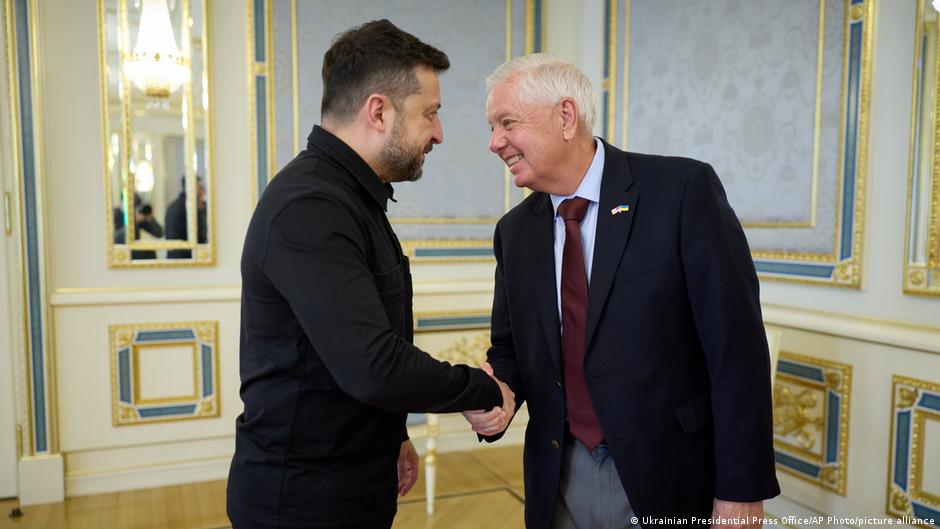
Trump signed the Graham sanctions bill, creating new tariff and sanctions risks for energy-linked markets, startups and investors.

The House advanced debate on a Graham sanctions bill that could reshape tariff risk for energy, supply chains and venture-backed tech firms.

China warned the U.S. against preparing for space war after Washington confirmed orbital weapons, raising risks for space-tech startups.

Volkswagen approved a sweeping restructuring plan combining 50,000 job cuts, portfolio simplification and €135 billion in R&D and investment spending.

Foreign investment into Germany rose to 86 billion euros in 2025, with a lower U.S. share and a sharp increase from UK companies.

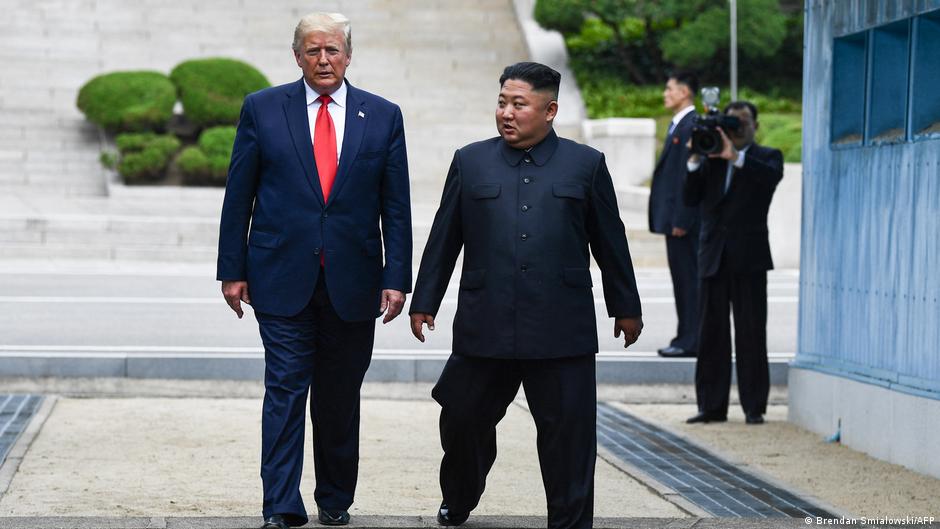
US President Trump plans to meet North Korean leader Kim Jong-un at the APEC summit to resume stalled nuclear negotiations, potentially impacting regional stability and tech innovation.

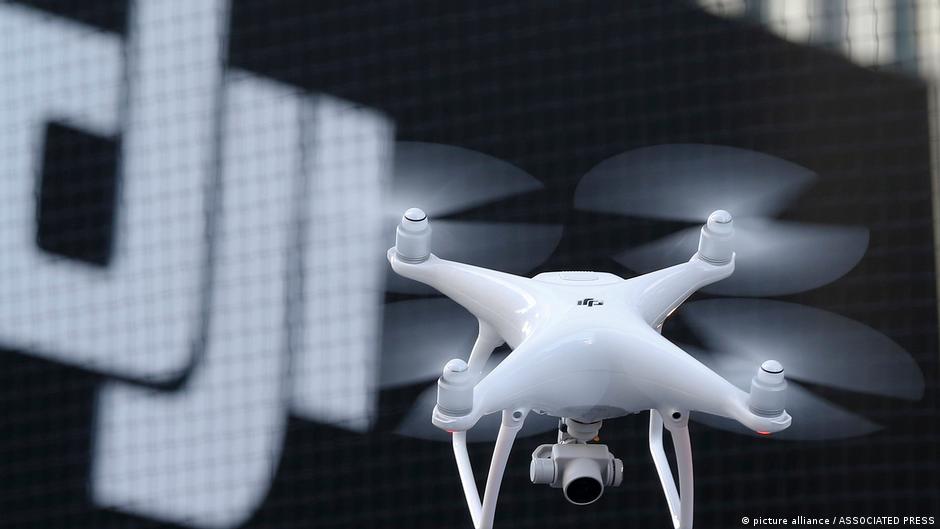
The US has imposed tariffs up to 100% on imported drones and components to boost domestic manufacturing and address national security risks from foreign suppliers.

A coalition of over 40 countries urges 24-hour advance notice on ballistic missile tests to enhance security and support the tech innovation ecosystem amidst rising geopolitical risks.
Montenegro will end visa-free travel for Russian and Belarusian citizens by October 2026, impacting tech startups and venture capital flows amid EU accession reforms.

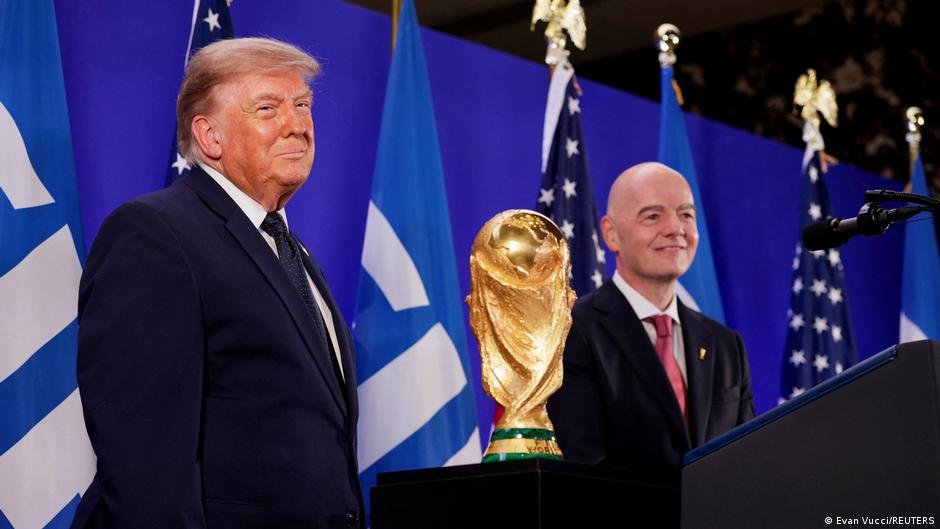
Donald Trump proposes the US host a future FIFA World Cup without Canada and Mexico, partnering with China, potentially reshaping sports hosting and tech innovation ecosystems.

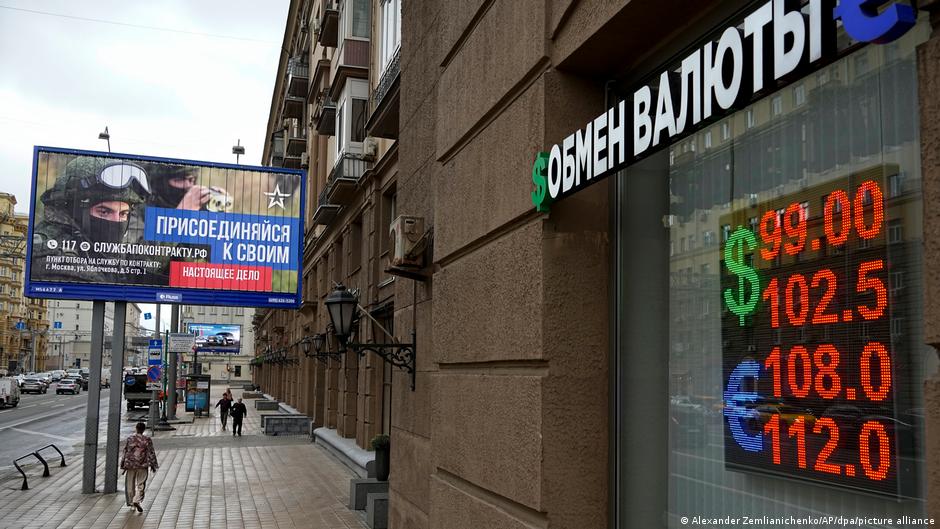
Russia proposes allowing individuals convicted of serious crimes to join military service contracts amid recruitment struggles, impacting defense and tech innovation sectors.

Former US President Trump alleges China accessed data on 220 million voters and influenced the 2020 election, highlighting critical election security vulnerabilities.

The Russian Defense Ministry proposes ending mandatory medical checks for contract soldiers, underscoring recruitment struggles amid the ongoing conflict with Ukraine.

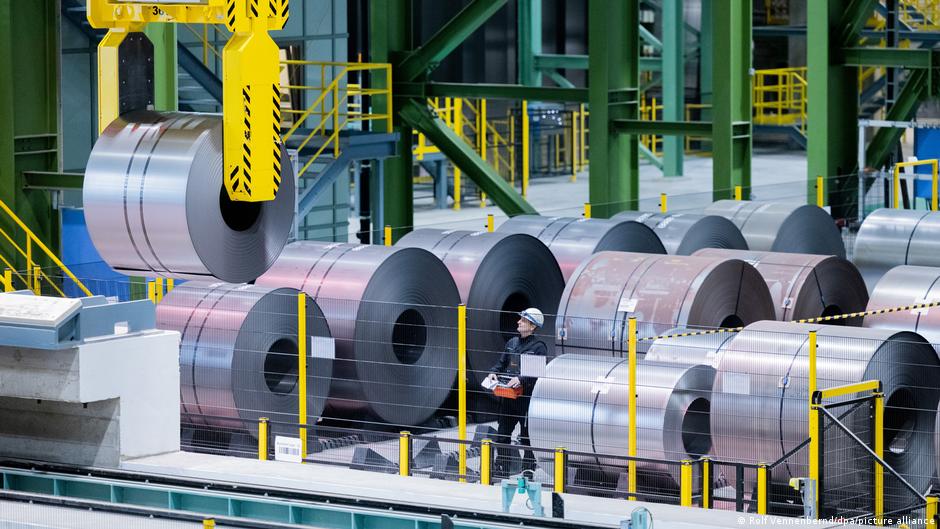
The EU cuts duty-free steel import quotas by 47% and enforces 50% tariffs on excess imports, affecting the steel supply chain critical to tech startups and innovation.

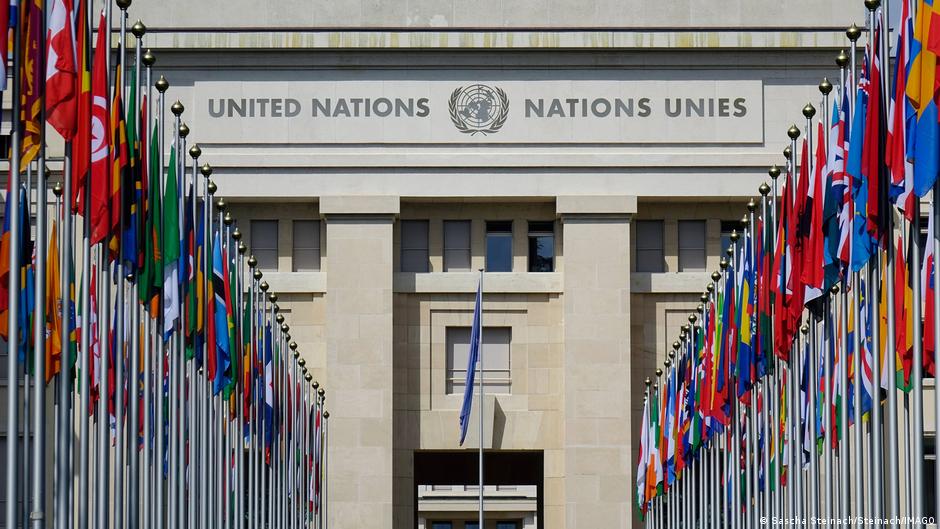
The UN faces a financial crisis due to delayed US and China payments, prompting budget cuts that impact peacekeeping and humanitarian programs globally.

Putin’s close officials warned against harsh internet restrictions fearing harm to Russia’s startups and economy, but the president prioritized security amid growing public discontent.

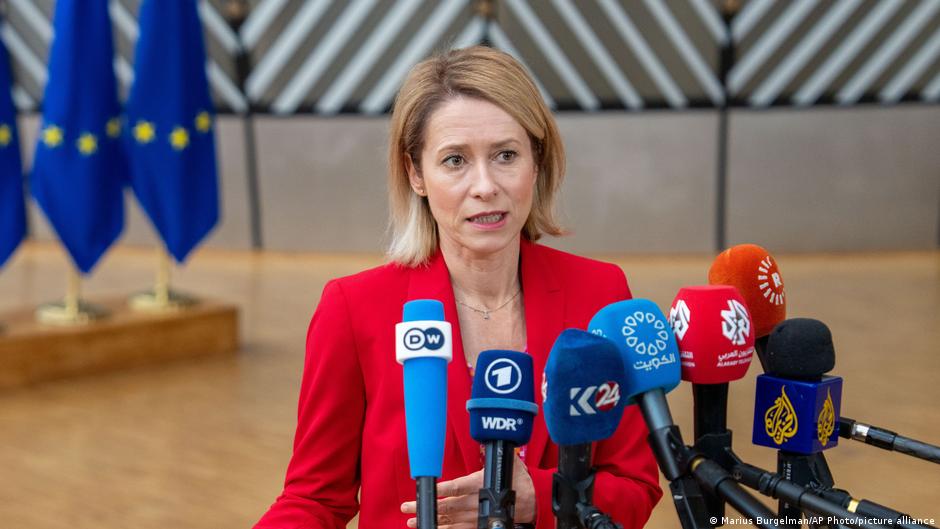
EU's High Representative warns that Russia, China, and the US employ divide-and-rule tactics threatening the bloc's unity, impacting Europe's startup and venture capital ecosystem.

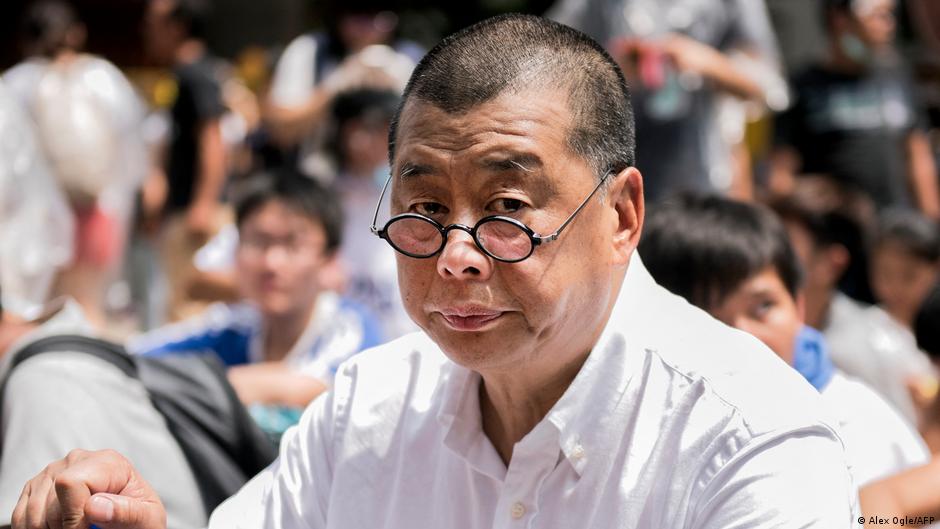
Jimmy Lai’s 20-year sentence in Hong Kong highlights increased political risks for startups and venture capitalists operating in the region’s evolving innovation ecosystem.

China’s renewed interest in U.S. oil and soybean imports signals shifting trade dynamics with potential impacts on energy and agri-tech startups and the venture capital landscape.

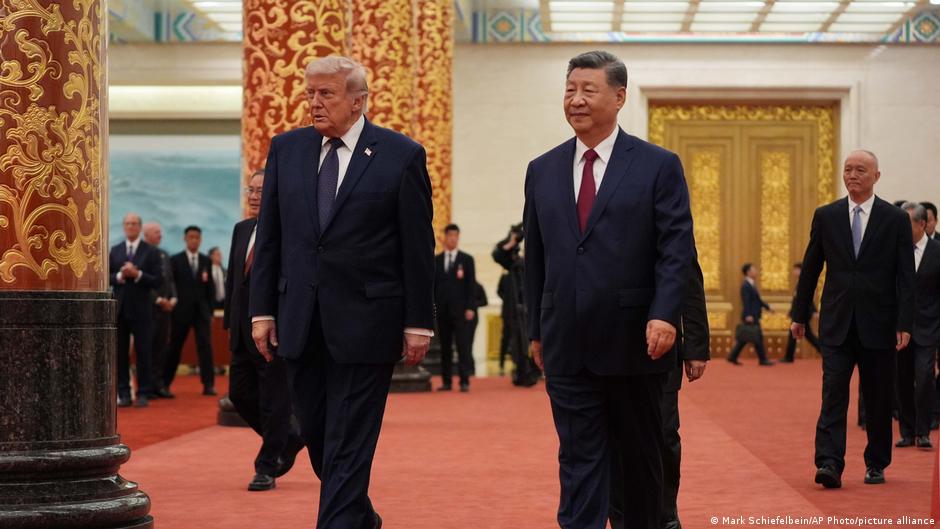
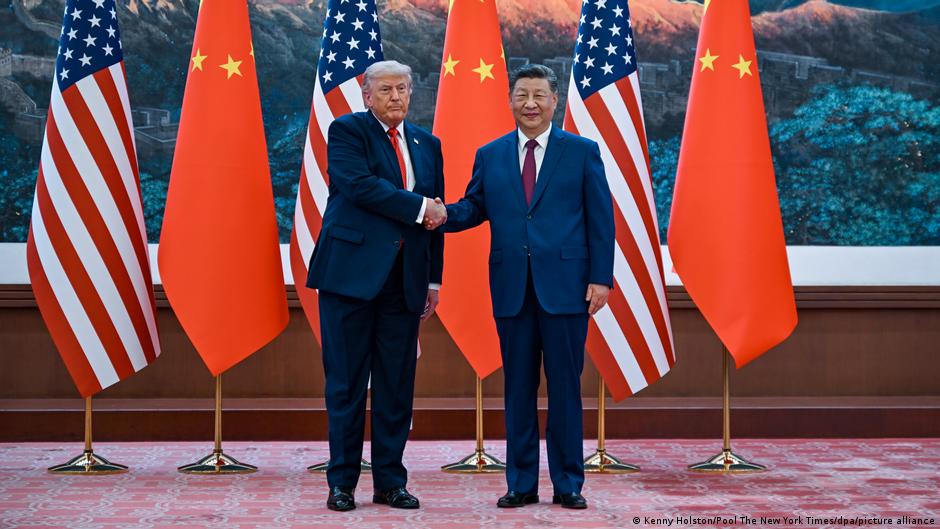
Trump’s Beijing visit with Xi Jinping signals potential cooperation on trade and rare earths, impacting tech startups and venture capital across US-China relations.

Uzbekistan’s halt in gold exports has caused a near 30% drop in exports, reshaping trade dynamics and impacting venture capital and startup opportunities in the region.

Tencent and Kaspi.kz management acquire a major stake in Kazakhstan's fintech leader, bolstering the regional startup and innovation ecosystem.

Lithuania and Latvia block Slovak PM Robert Fico’s flight to Moscow for May 9 Victory Day, reflecting ongoing EU-Russia tensions impacting regional connectivity.

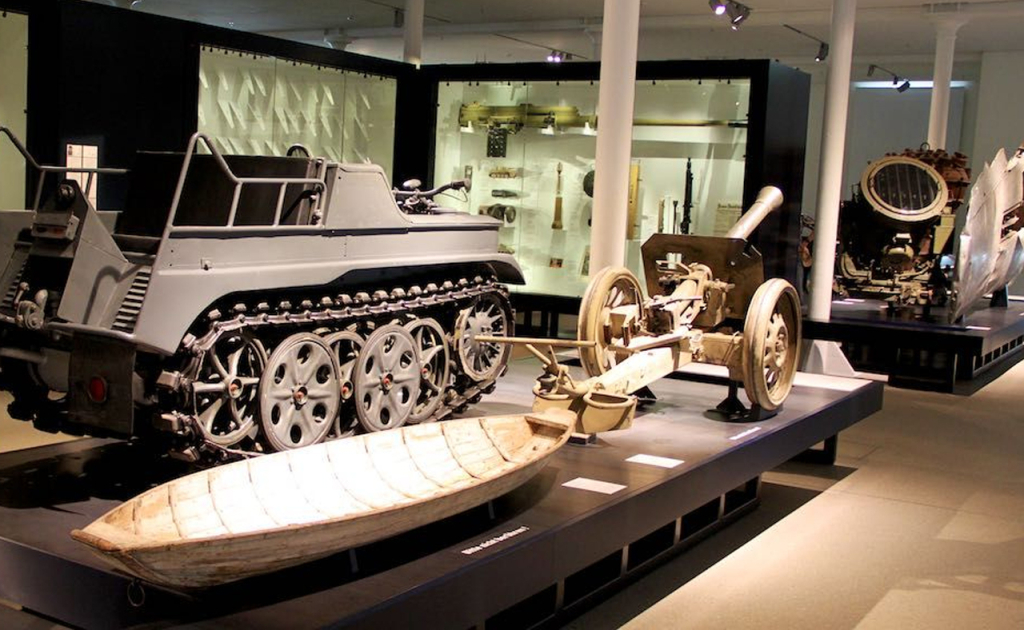
Germany’s Bundeswehr Military Technology Museum has restricted access to visitors from Uzbekistan and other Central Asian countries due to new security laws.

Russia's Deputy Foreign Minister says the UN proposal to monitor the Strait of Hormuz lacks support from key parties and its future is uncertain.