US Military Strikes in Iran Escalate Regional Tensions Impacting Tech Innovation Climate
US attacks on Iranian military and infrastructure provoke retaliatory strikes, raising concerns about regional stability affecting startup ecosystems and venture capital flows.
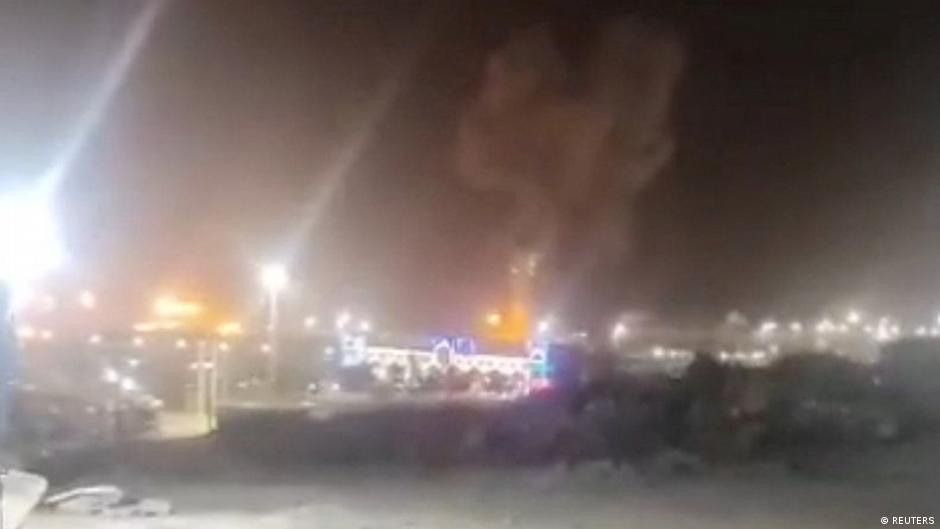
The recent escalation of military actions between the United States and Iran has introduced new uncertainties that could impact the innovation ecosystem and venture capital landscape across the Middle East and beyond. On July 16, US forces launched two series of strikes targeting Iranian military and infrastructure sites as well as a tanker in the Persian Gulf, prompting retaliatory attacks by Tehran on US bases in Bahrain and Kuwait.
Military Conflict and Its Implications for Tech Startups and Venture Capital
The US Central Command (CENTCOM) reported that the initial wave of airstrikes focused on key sites in the port zone of Sirik and the major port city of Bandar Abbas, located near the strategic Strait of Hormuz. Additional strikes hit a fish meal production plant on Qeshm Island and various locations across southwestern Iran including Ahvaz in Khuzestan province and areas in Sistan and Baluchestan province.
In a follow-up wave, US forces targeted Iranian command centers, air defense systems, missile and drone facilities, and coastal surveillance installations aiming to degrade Iran's capability to threaten commercial maritime operations.
"These operations reflect a strategic effort to limit Iran's ability to disrupt vital shipping lanes and regional commerce," a CENTCOM statement noted.
Notably, US forces also disabled an unmanned oil tanker attempting to breach the renewed naval blockade of Iranian ports, signaling intensified maritime restrictions effective from July 14. This blockade has directly influenced commercial shipping routes and logistics, adding complexity to trade and supply chains in the Gulf region.
In response, Iranian forces struck US military bases in Bahrain and Kuwait, with reports of multiple explosions at the US Navy's Fifth Fleet headquarters and other installations. These tit-for-tat attacks have led to partial airspace closures by Saudi Arabia and Jordan, further destabilizing the regional environment.
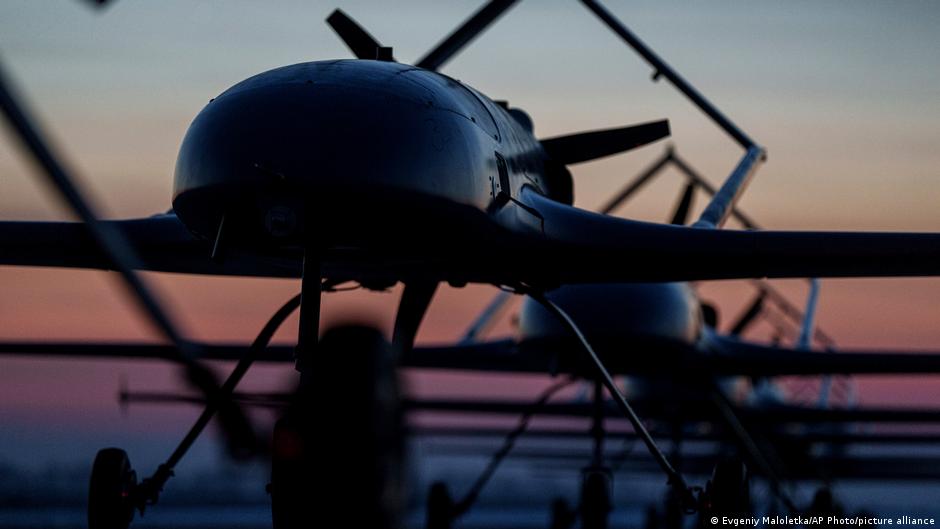
Additionally, Iran claimed to have downed a US MQ-9 drone with its air defense systems, indicating heightened military tensions and surveillance activities.
From a broader perspective, the intensifying conflict raises concerns about the security and stability of a region that hosts a growing number of tech startups and entrepreneurial ventures. The Persian Gulf is a critical conduit for international trade and investment, and disruptions here can affect venture capital inflows and exit opportunities for emerging companies.
US Vice President JD Vance commented on the situation, acknowledging its complexity and the challenges ahead. He emphasized that the US is pursuing a dual approach combining economic pressure with diplomatic engagement with pragmatic elements within the Iranian leadership.
"I don’t know exactly where this will lead, but fundamentally, I believe we are moving in the right direction," Vance remarked on the Joe Rogan Experience podcast. "This process will be difficult, with many pauses and resumptions."
For the tech and startup community, these developments underscore the importance of monitoring geopolitical risks that could influence funding availability, market access, and cross-border collaboration opportunities. Regional instability often prompts venture capital firms to reassess their portfolios, risk profiles, and investment timelines, potentially slowing down innovation momentum.
As the conflict unfolds, startups operating in or reliant on Middle Eastern markets may face increased operational challenges, from supply chain disruptions to heightened costs of capital. Meanwhile, international investors could become more cautious, affecting mergers and acquisitions activity and overall ecosystem growth.
In conclusion, the US-Iran military escalation contributes to a volatile environment that tech entrepreneurs and venture capitalists must navigate carefully. Maintaining strategic agility and scenario planning will be critical for stakeholders aiming to sustain innovation amid geopolitical uncertainty.