US Pushes to Revive Iraq-Syria Oil Pipeline to Bypass Strait of Hormuz and Curtail Iran's Influence
Washington negotiates with Iraq, Syria, and energy firms to restore a dormant oil pipeline, aiming to reshape Middle East energy routes and strategic trade corridors.
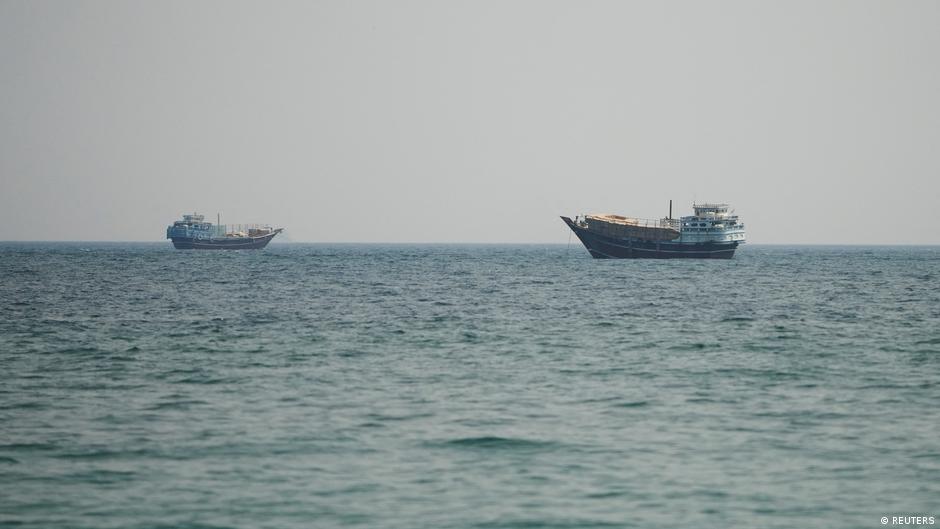
The United States is actively pursuing negotiations to restore a long-dormant oil pipeline stretching from Iraq to Syria's western coast, according to recent reports. This initiative aims to circumvent the strategic Strait of Hormuz, currently a chokepoint for global oil shipments, thereby reducing Iran's leverage over energy exports in the region.
Strategic Energy Infrastructure Revival Amid Middle East Tensions
US Special Presidential Envoy Thomas Barrack has engaged with officials from Iraq and Syria and representatives of major energy companies, including Chevron Corporation, to discuss reviving the pipeline, which has been inactive for over two decades. The primary focus is on the restoration of the pipeline from Kirkuk in northern Iraq to Banias on Syria’s western Mediterranean coast.
"The US administration expects American companies to participate in the pipeline's rehabilitation," a State Department representative confirmed.
In parallel, several alternative routing options for new pipelines are under consideration. This reflects a broader strategic effort to diversify oil export routes away from the Strait of Hormuz, which has been subject to geopolitical volatility, including recent escalations in regional tensions.
President Donald Trump recently hosted Iraqi Prime Minister Ali al-Zaydi at the White House, signaling potential announcements regarding large-scale new oil partnerships imminently. These developments underline Washington's commitment to reshaping regional energy dynamics through infrastructure and trade alliances.
Opportunities and Risks for Energy Investors and Tech Startups
Energy giants such as Chevron and TotalEnergies SE, alongside investment firms like Los Angeles-based TI Capital and Qatar's UCC Holding, have been involved in discussions aimed at transforming Syria into a significant energy export hub. Such a transformation could unlock new opportunities for venture-backed technology startups specializing in energy infrastructure, logistics management, and security solutions.
However, the project faces significant challenges. The potential pipeline routes traverse Iraq’s Anbar province and eastern Syria, areas still affected by insurgent activities, including cells of the Islamic State. Investors and technology providers will need to evaluate security risks and the political stability necessary for sustained operations.
Successful rehabilitation and expansion of this infrastructure could accelerate innovation in pipeline monitoring, risk mitigation, and cross-border energy logistics, sectors ripe for venture capital investment. The involvement of US companies and firms from allied countries may catalyze a new wave of technology deployments tailored to high-risk environments.
Broader Implications for the Energy and Innovation Ecosystem
The reestablishment of this route would diminish Iran’s strategic control over one of the world’s critical oil transit corridors, potentially stabilizing global energy markets and reducing supply chain vulnerabilities. For the venture capital community, this signals the emergence of fresh markets for technologies related to energy security, infrastructure resilience, and cross-border trade facilitation.
Moreover, by fostering new public-private partnerships and international cooperation, the project could become a case study in leveraging infrastructure development as a catalyst for regional innovation ecosystems, stimulating startups and tech hubs focused on energy and logistics.
While President Trump has reaffirmed maritime security efforts in the Strait of Hormuz, including renewed naval blockades, he recently reversed a proposed 20% tariff on maritime goods, opting instead to pursue revenue through trade deals with Gulf states. This nuanced approach could influence investment flows and startup activity in the region.
Ultimately, the pipeline revival represents a complex intersection of geopolitical strategy, energy infrastructure modernization, and innovation opportunities, poised to reshape the Middle East's role in the global energy landscape.