Rising Military Service Refusals in Germany Signal Workforce and Innovation Challenges for Tech Startups
Record number of young Germans refuse military service amid security concerns and conscription reforms, impacting talent availability for startups and VC ecosystems.
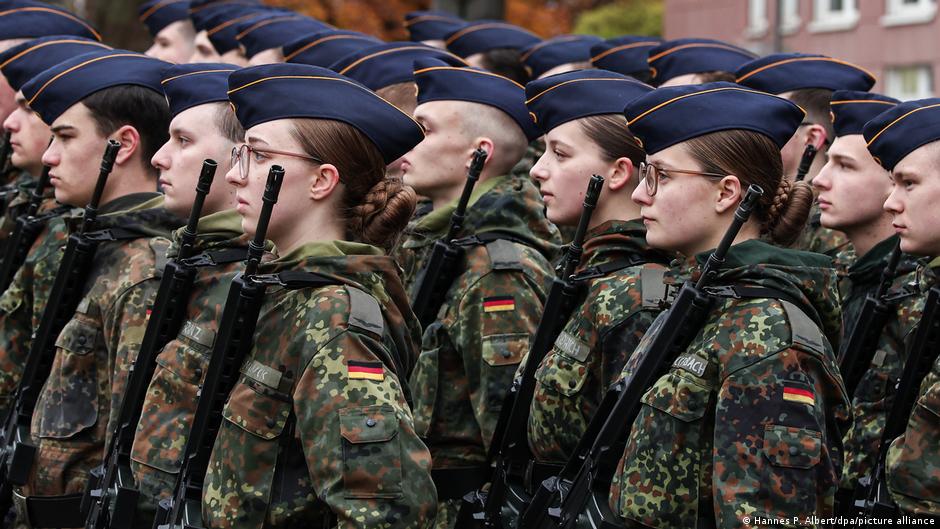
Germany has seen a sharp increase in the number of individuals refusing military service, with 5,862 formal objections filed in the first half of 2026 alone. This surge contrasts with 3,867 refusals for the entire year of 2025 and 2,998 in 2024, highlighting growing tensions over security policies and conscription reforms.
Implications of Conscription Reform on Germany’s Talent Pool
The rise in refusals is linked to a new law reforming the conscription system, effective from January 1, 2026, which mandates medical evaluations for all 18-year-old males starting July 1, 2027, regardless of voluntary military service intentions. This policy shift aims to bolster the Bundeswehr’s ranks, targeting an increase in active personnel from 186,000 to 260,000 by 2035.
Mandatory service, which was suspended in 2011, remains enshrined in Germany’s Basic Law, allowing for conscientious objection and maintaining the option of "military service by necessity" should voluntary enlistment fall short. The legislation reflects rising geopolitical uncertainties but also introduces uncertainty into Germany’s broader labor market.
“The growing refusal rate underscores a societal shift that could indirectly impact Germany’s high-tech and startup sectors by constraining a vital segment of the young, skilled workforce,” industry observers note.
For technology startups and venture capital firms, the evolving conscription environment presents both challenges and opportunities. On one hand, increased military obligations may divert young, tech-savvy talent away from the private sector, tightening the pool of available engineers, developers, and innovators. This tightening could exacerbate existing talent shortages that hinder startup growth and innovation capacity.
On the other hand, defense-related technology sectors could benefit from heightened public investment and the integration of conscripts with technical skills. The Bundeswehr’s expansion may stimulate demand for advanced cybersecurity, artificial intelligence, and communications technologies, potentially catalyzing new startups and venture investments in defense tech.
Broader Effects on the Innovation Ecosystem and Venture Capital
Germany’s move to potentially reinstate partial compulsory military service intersects with its ambitions to remain a leading hub for innovation and entrepreneurship in Europe. Venture capital activity depends heavily on access to a skilled, dynamic workforce and an environment conducive to technological experimentation. Any disruption in talent availability or youth engagement due to military service requirements could ripple across the ecosystem.
Moreover, startups focused on consumer-facing innovations might face recruitment challenges, while those in defense tech could see new avenues for growth. Venture capitalists may adjust funding strategies accordingly, shifting interest toward sectors aligned with national security priorities.
Additionally, the option for reservists and active military personnel to file refusals adds complexity to workforce planning, as some previously committed individuals reconsider their service status. This trend signals fluidity in labor supply within defense and civilian sectors alike.
As Germany navigates its security priorities amid a tense geopolitical landscape, the knock-on effects on its innovation landscape deserve close monitoring. The balance between national defense imperatives and nurturing a competitive, vibrant startup ecosystem will be critical for sustaining economic growth and technological leadership.