Austria’s Graz Elects Communists Again, Highlighting Unique Local Political Climate
The Communist Party secures a second consecutive victory in Graz’s city council elections, emphasizing housing policy and pragmatic governance.
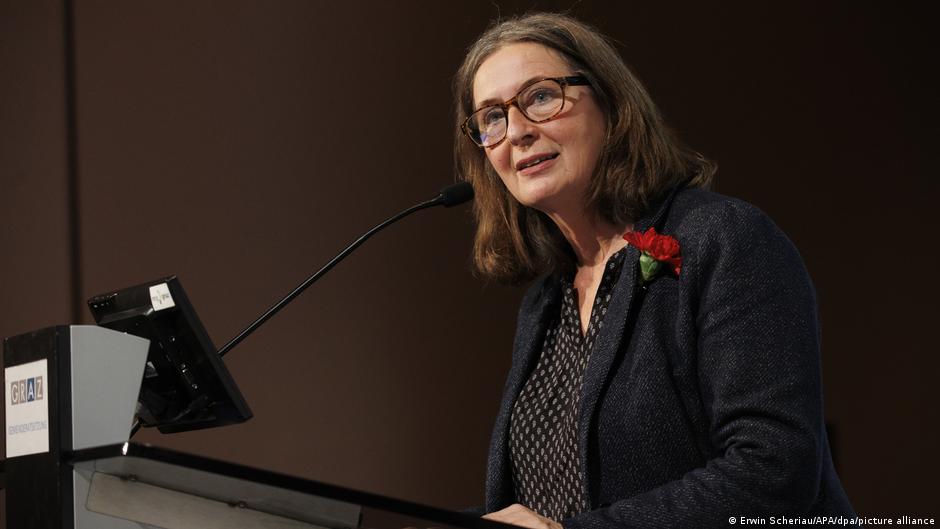
In a striking political development, the Communist Party of Austria (KPÖ) has retained its position as the leading party in the city council elections of Graz, Austria’s second-largest city. On June 28, the KPÖ garnered 35.63% of the votes, securing 18 of the 48 seats on the city council and continuing its local dominance following its unexpected triumph in 2021.
Implications for Graz’s Innovation and Startup Ecosystem
The sustained support for the KPÖ in Graz, often summarized by the phrase “Graz votes differently,” underscores a distinctive political environment that could influence the city’s innovation and venture capital landscape. The party’s focus on pragmatic housing policies and moderate rhetoric has resonated with residents, reflecting a preference for stability and social welfare that may extend into local governance of economic development.
“The KPÖ’s approach, emphasizing housing and social policies without populist extremes, has earned steady voter trust and shaped Graz’s unique political identity.”
Elke Kahr, the KPÖ leader and current mayor since 2021, has been recognized for her work in housing policy and urban development. Her pragmatic governance style, avoiding populist antagonism, aims to address systemic social issues that impact not only citizens’ quality of life but also the capacity of the city to support startups and attract venture capital.
From a venture capital perspective, Graz’s political climate may present both challenges and opportunities. On one hand, the city’s leadership prioritizes social infrastructure and affordable housing, which are critical for talent retention and quality of life in tech hubs. On the other hand, cautious attitudes toward broader economic policies, including critical stances on EU sanctions and economic integration, could influence investor confidence and cross-border collaborations.
Notably, the KPÖ’s skepticism about broad economic sanctions on Russia, despite condemning the military aggression in Ukraine, indicates a nuanced approach to foreign policy that might affect international startup partnerships and funding flows. This distinctive political stance could shape Graz’s innovation ecosystem by influencing regulatory frameworks and economic openness.
The election results also feature the Austrian People’s Party (ÖVP) in second place with 25.35% of votes and 13 seats, and the Greens securing 14.84% and seven seats. The right-wing populist Freedom Party of Austria (FPÖ), despite national prominence and strong parliamentary results in 2024, finished fourth locally with 12.2% and six seats. The local political balance suggests a unique dynamic divergent from national trends, potentially fostering a more socially oriented environment for tech startups.
As Graz continues to develop as a regional tech hub, the KPÖ’s governance model emphasizing social welfare and pragmatic policymaking offers an alternative template for urban innovation ecosystems. This could attract startups and investors interested in cities that balance socio-economic stability with forward-looking urban development.