Ukrainian Strike on Russian Naval Assets in Novorossiysk Signals Emerging Tech in Modern Warfare
Ukraine reports significant damage to Russian warships and infrastructure using advanced drone and missile systems, highlighting evolving defense technologies impacting regional security.
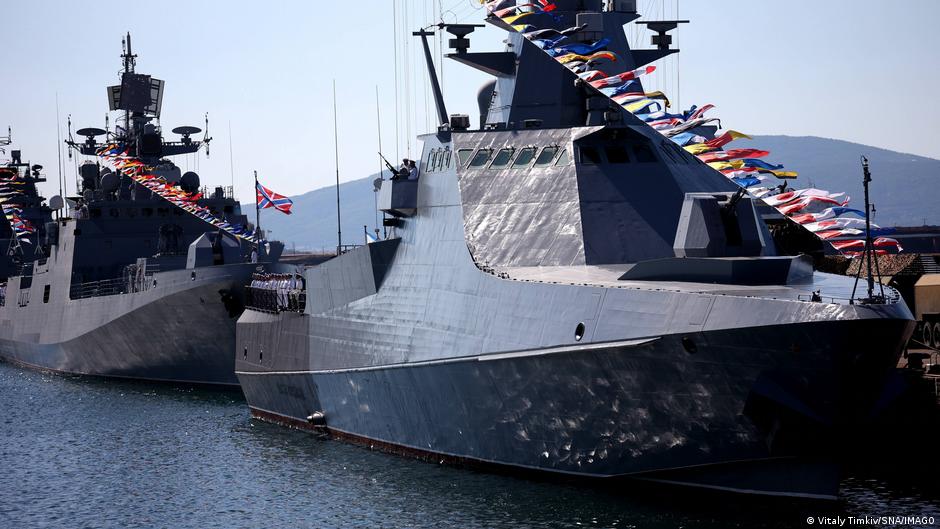
On August 12, the General Staff of the Ukrainian Armed Forces and the Security Service of Ukraine (SBU) announced successful strikes against four Russian Navy vessels in the port city of Novorossiysk, including two frigates equipped with Kalibr cruise missiles. The affected ships are the frigates Admiral Essen and Admiral Makarov, alongside the small missile ship Buyan-M and the patrol vessel Vasily Bykov.
The SBU confirmed that the frigates Admiral Essen and Admiral Makarov serve as launch platforms for Kalibr missiles, which Russian forces have used to attack Ukrainian territory. Ukrainian forces targeted multiple military and critical infrastructure sites, including a radar station associated with the S-300 surface-to-air missile system, the Grusovaya oil depot, a mobile fire group, and infrastructure supporting three port berths.
Technological Innovations in Ukraine's Defensive Arsenal
"Ukrainian drones, Palianytsia rocket drones, Neptune missiles, and strike systems launched from our maritime platforms accurately hit designated targets," stated the SBU.
This statement underscores the increasingly sophisticated use of unmanned aerial vehicles (UAVs) and precision-guided munitions by Ukraine’s forces. The Palianytsia drones and Neptune anti-ship missiles exemplify Ukraine's evolution in drone warfare and missile technology, which has significant implications for regional security dynamics and naval defense strategies.
Notably, reports from independent sources indicate that the maritime grain terminal and the Novorossiysk Grain Products Combine (PAO NKHP) were also damaged, disrupting critical export infrastructure. This attack highlights how modern conflict leverages targeted strikes against economic assets to impact adversary resilience.
Local authorities in Krasnodar Krai reported human casualties and infrastructural destruction, with Governor Veniamin Kondratyev confirming three fatalities and 24 injuries. Approximately 60 residential structures were damaged in Novorossiysk, with additional property damage in neighboring Gelendzhik, Anapa, and Temryuk districts attributed to drone debris. Regional officials noted that "hundreds" of drones were launched during the operation.
The Grusovaya oil depot, previously damaged in an attack on June 8, serves as a critical node within Russia's oil pipeline network, linking to the Sheskharis marine terminal, a key oil export hub in the Krasnodar region. The damage to such infrastructure can reverberate through energy markets and supply chains, demonstrating the intersection of military actions with broader economic and technological consequences.
Impact on Tech Startups and Venture Investment
The Ukrainian military’s deployment of advanced drones and missile systems underlines a broader surge in defense-related technological innovation within the region. These developments present opportunities for startups specializing in drone technology, AI-powered targeting systems, autonomous vehicles, and cybersecurity.
Venture capital firms focusing on defense tech, aerospace innovations, and dual-use technologies may find fertile ground in Ukraine’s evolving innovation ecosystem. The demonstrated effectiveness of Ukrainian tech in a real-world conflict accelerates the validation and potential commercialization of these technologies, potentially attracting increased investment and international partnerships.
Moreover, the conflict’s emphasis on unmanned systems and precision strike capabilities stresses the growing importance of software and hardware integration, sensor fusion, and real-time data analytics. These areas are ripe for startup disruption and technological breakthroughs, influencing future trends in military procurement and private sector defense innovation.
The damage and disruption caused to critical infrastructure also emphasize the need for resilient logistics, infrastructure monitoring, and cybersecurity startups. As hybrid warfare intensifies, technologies that protect supply chains and industrial assets will become increasingly valuable, shaping the priorities of venture-backed companies in the region and beyond.