Belarus Advises Citizens to Avoid Travel to Russia Amid Rising Security Concerns
Belarusian authorities recommend citizens refrain from traveling to Russia, citing ongoing conflict risks and recent drone attacks targeting Belarusian civilians.
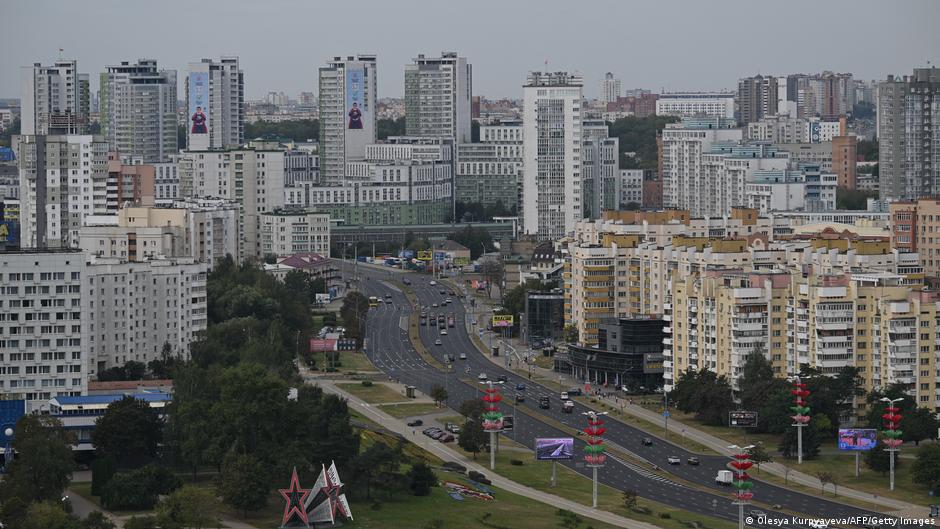
Belarusian State Secretary of the Security Council, Alexander Volfovich, has issued a caution to Belarusian citizens to temporarily avoid traveling to Russia, especially to border regions, due to escalating security threats linked to the ongoing war in Ukraine.
Volfovich's advisory follows recent incidents involving drone attacks on buses carrying Belarusian nationals in Russia's Bryansk region. These attacks have heightened concerns about the safety of cross-border travel during the conflict.
Impact on Cross-Border Mobility and Regional Stability
"The president has repeatedly urged Belarusian citizens to refrain from traveling to Russia, particularly to border areas," Volfovich stated, highlighting the daily risks posed by drone strikes in these zones. While Belarus has not closed its border with Russia, the government stresses that individuals must independently weigh the risks of such journeys.
"While the idea of traveling to popular destinations like Anapa on the Black Sea is appealing, these trips expose citizens to significant danger," Volfovich emphasized.
Recent attacks underline the volatile security environment: On June 17, a drone strike in Bryansk hit a bus carrying a Belarusian children's football team en route from Gomel to Gelendzhik. The strike resulted in one fatality and multiple injuries, including children. Belarus and Russia have attributed responsibility for the attack to Ukraine, though the Ukrainian General Staff denied involvement, labeling the claims as disinformation aimed at Kremlin propaganda efforts.
On July 2, another drone attack targeted a bus traveling from Minsk to Anapa, injuring three people who were hospitalized in Gomel. Officials from the Bryansk region once more accused Ukraine of orchestrating the strike.
Implications for the Tech Startup and Innovation Ecosystem
While these developments primarily concern public safety and geopolitical tensions, the implications reverberate through Belarus's broader economic and innovation landscape. The advisories and increasing instability may impact cross-border collaborations, venture capital flow, and mobility of talent between Belarus and Russia—two key players in the regional tech ecosystem.
Belarusian tech startups, which often leverage connections with Russian markets and investors, may face operational challenges amid heightened travel risks and geopolitical uncertainty. Venture capital firms weighing investments in Belarusian ventures might recalibrate risk assessments considering these evolving security dynamics and potential disruptions in regional integration.
Moreover, cross-border mergers and acquisitions in the tech sector could slow down due to travel advisories and increased caution from investors and corporate stakeholders. The situation underscores the need for Belarus to bolster domestic innovation capabilities and explore alternative international partnerships to sustain growth in its startup ecosystem.
In light of these developments, Belarusian authorities have highlighted domestic tourism and local opportunities for rest and recreation. This emphasis may signal a broader pivot toward strengthening internal economic resilience amid external uncertainties.
As the conflict continues with no immediate resolution in sight, the Belarusian government's cautionary stance is a pragmatic response to protect its citizens and maintain stability while navigating complex geopolitical tensions impacting the wider region.