Qatar Denies Detaining Iranian Pilots Amid Middle East Conflict Tensions
Qatar refutes claims of holding Iranian pilots after airspace violations, emphasizing adherence to international law and regional de-escalation efforts.
Qatar has formally rejected claims that it is detaining three Iranian pilots following an airspace incursion during recent hostilities in the Middle East. The denial comes amid heightened diplomatic efforts to reduce regional tensions and clarifies Qatar’s actions in line with international protocols.
Official Response to Pilot Detention Allegations
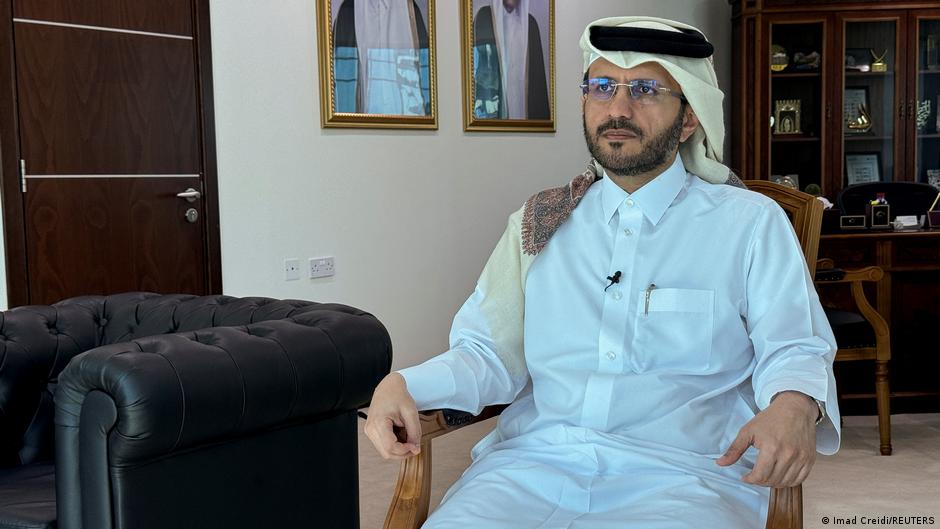
On August 15, Majid bin Mohammed Al-Ansari, spokesperson for Qatar's Ministry of Foreign Affairs, addressed the allegations on social media platform X, describing the statements as "misleading" and ill-timed against the backdrop of ongoing diplomatic initiatives aimed at de-escalation.
According to Al-Ansari, Qatar established contact with the Iranian pilots after they violated Qatari airspace, confirming their flight path. Qatar took necessary defensive measures to safeguard its territory in accordance with international law and communicated relevant clarifications through official diplomatic channels.
Search and rescue teams from Qatar undertook recovery operations for the pilots' remains. Qatar also coordinated with Iranian officials for the transfer of one pilot’s remains. In April, Qatar extended an invitation to an Iranian delegation to review the rescue operations, but the invitation has yet to receive a response.
"Qatar remains committed to transparency and adherence to international norms while pursuing diplomatic engagement to ease regional tensions," stated Al-Ansari.
Context and Implications for Regional Stability
The Iranian government previously accused Qatar of holding the pilots captive, demanding their release. Iran’s military officials asserted that the pilots were captured alive after their Su-24 fighter jets crashed during hostilities. The Iranian military's General Staff search committee chair, Mohammad Bagherzadeh, addressed the International Committee of the Red Cross requesting intervention, highlighting that the pilots have been held for six months and barred from family contact.
In March, Qatar’s Ministry of Defense announced the successful downing of two Iranian Su-24 bombers and interception of ballistic missiles and drones targeting Qatari territory, though it remains unclear if these were the same aircraft related to Iran’s detention claims.
These developments unfold amid complex regional dynamics: the US and Iran signed a framework in June to cease hostilities and lift blockades on the Strait of Hormuz, but conflicts persisted, including drone attacks and retaliatory US strikes. Qatar itself has faced attacks and reported assaults on its territorial waters and tankers transiting the strait.
Impact on Tech and Innovation Ecosystem
While primarily a geopolitical incident, such conflicts influence the broader Middle East economic landscape, including burgeoning tech startup ecosystems. Heightened regional tensions can disrupt supply chains, foreign investment flows, and cross-border collaborations critical to innovation and venture capital activities.
Qatar’s emphasis on maintaining diplomatic channels and abiding by international law underlines efforts to foster a stable environment conducive to business continuity and technological development. Stability in the region is vital for venture capital firms eyeing growth markets and for startups reliant on secure logistics and investor confidence.
As Qatar hosts an emerging technology hub and increasingly attracts global investment, its ability to manage geopolitical challenges effectively will play a key role in sustaining momentum in digital transformation, fintech, and other high-growth sectors.