Bolivia and US Reestablish Cooperation to Combat Drug Trafficking After 18 Years
The new agreement marks a significant step in US-Bolivian relations, potentially impacting the regional innovation and security landscape.
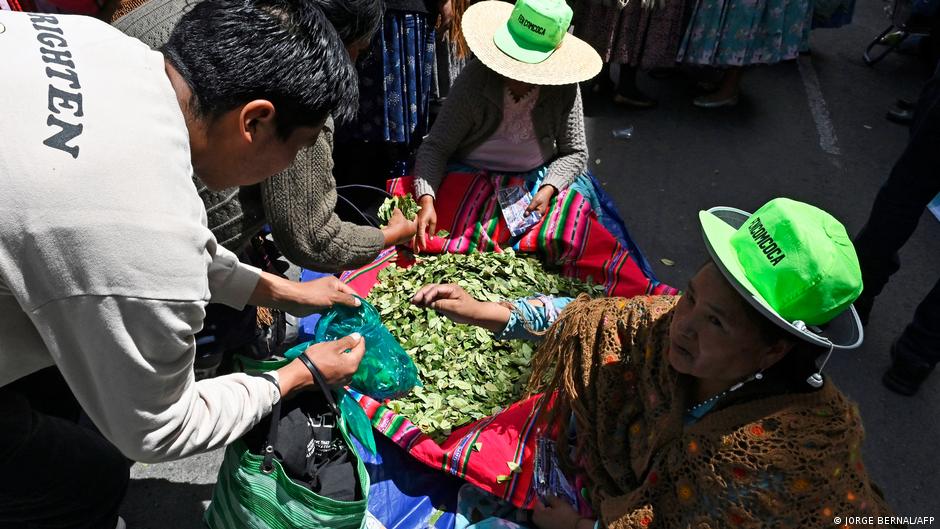
After nearly two decades of diplomatic estrangement, Bolivia and the United States have signed a landmark agreement to jointly fight drug trafficking and transnational organized crime. This marks the first such bilateral accord since 2008, signaling a thaw in relations that could influence the broader Latin American security and economic environment.
Renewed Cooperation Amidst Complex Diplomatic Ties
The formal agreement, titled the "Agreement on Strengthening Bilateral Cooperation in Combating Illicit Drug Trafficking and Transnational Organized Crime," was signed by Bolivia's Foreign Minister Fernando Aramayo. Notably, the two countries have not maintained diplomatic relations since 2008, when then-President Evo Morales severed ties and expelled personnel from the US Drug Enforcement Administration (DEA).
Under the new pact, the US government has committed up to $20 million in funding to train Bolivian specialists and supply equipment aimed at enhancing the country’s drug enforcement capabilities. While collaboration with the DEA has recently resumed at some operational levels, the agency's office in La Paz remains closed, and ambassadorial exchanges have yet to be restored.
"This agreement represents a critical step forward in addressing transnational crime jointly, despite longstanding diplomatic challenges," said an official familiar with the negotiations.
Bolivia is globally recognized as the third largest producer of cocaine, with traditional practices such as coca leaf chewing embedded in its culture. The renewed partnership could lead to more effective disruption of narcotics networks, which has implications for regional stability and the flow of illicit capital.
Implications for the Tech Startup and Innovation Ecosystem
While on the surface this agreement centers on law enforcement and security, its ripple effects may touch the Latin American technology and startup sectors. Drug trafficking has long been intertwined with money laundering and illicit financial flows, which can distort local economies and hinder legitimate business growth.
Enhancing the rule of law and cracking down on organized crime creates a more stable environment for venture capital investments and entrepreneurial innovation. Improved security and governance could attract greater foreign direct investment, fostering the emergence of startups focused on fintech, cybersecurity, and supply chain transparency.
Furthermore, international cooperation can stimulate demand for technologies that support law enforcement, such as data analytics, blockchain for traceability, and AI-driven surveillance tools. Bolivian startups operating in these niches may find new opportunities as governments prioritize modernization of anti-crime infrastructure.
Analysts suggest that reduced illicit activity could help formalize parts of the economy, encouraging startups to scale and venture capitalists to engage with greater confidence in the market.
Looking Ahead
This unexpected rapprochement between Bolivia and the United States, beginning with the drug enforcement agreement, could herald broader shifts in bilateral relations. For the regional innovation ecosystem, stronger institutional frameworks and reduced criminal interference offer a more fertile ground for technology-driven growth and cross-border collaboration.
As the agreement unfolds, venture capital firms and entrepreneurs may want to monitor developments closely, as enhanced security and governance often correlate with increased investment opportunities and the rise of startups that leverage technology to solve complex socio-economic challenges.