NATO Considers Expanding Nuclear Deterrence in Europe Amid Rising Security Concerns
NATO plans to deploy tactical nuclear weapons in Finland, Poland, and Lithuania as part of strategic deterrence against escalating threats.
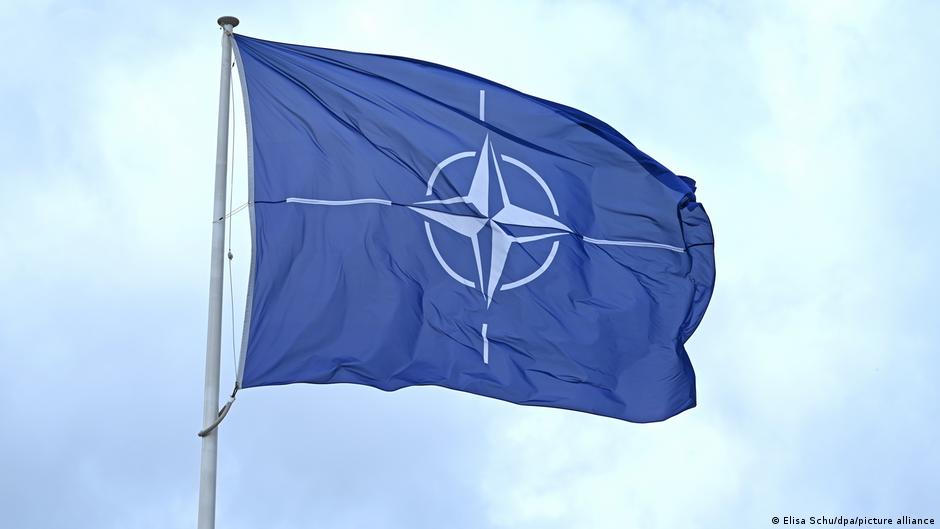
NATO allies are deliberating on expanding nuclear deterrence capabilities across Europe, specifically targeting Finland, Poland, and Lithuania, according to recent reports. This move is part of a broader strategy to counter increased security threats in the region.
Impact on European Security and Tech Ecosystem
The North Atlantic Treaty Organization aims to bolster its nuclear posture by deploying tactical nuclear weapons designed for use against military assets such as troops, airbases, ports, and command centers. These weapons, delivered via fighter jets or cruise missiles, are less powerful than strategic nuclear arms but serve a critical role in regional defense strategies.
Such a shift in NATO’s defense strategy signals heightened geopolitical tensions that could ripple through Europe's innovation ecosystem. Increased military presence and potential for conflict may influence venture capital flows and startup activities, particularly in the technology and defense sectors.
"We must ensure that no adversary can strike us with nuclear weapons without facing a credible retaliatory response," said NATO Secretary-General Mark Rutte, emphasizing the alliance’s commitment to deterrence.
The existing U.S. nuclear arsenal in Europe includes approximately 100 B61-12 bombs stationed across six airbases in five NATO countries: Germany, Belgium, Italy, the Netherlands, and Turkey. The expansion could involve new deployments in Poland, Finland, and Lithuania, countries that have adjusted their legal frameworks or expressed willingness to participate in nuclear sharing arrangements.
For instance, Finland recently amended its atomic energy laws to allow the import and stationing of nuclear weapons, lifting previous prohibitions. Lithuania’s president has expressed readiness to join NATO's nuclear deterrence system, although no immediate plans exist to host nuclear weapons during peacetime.
These developments come amid Russia's ongoing conflict in Ukraine, which has intensified security concerns across Eastern Europe. The bolstered deterrence measures may indirectly stimulate growth in defense-related startups and innovation, as governments and private sectors seek advanced technologies for surveillance, cyber defense, and military applications.
Venture capital firms may find new opportunities in startups developing cutting-edge defense technologies, nuclear security solutions, and related infrastructure. However, increased geopolitical tensions could also pose risks, including regulatory challenges and shifting investment priorities.
Overall, NATO’s potential expansion of nuclear deterrence in Europe reflects a strategic recalibration with significant implications for the security landscape and the technology investment environment in the region.