Mass Migrant Influx in Spanish Enclave Ceuta Raises Security and Political Concerns
Spain responds to a sudden surge of tens of thousands of migrants in Ceuta, with implications for border security and regional stability.
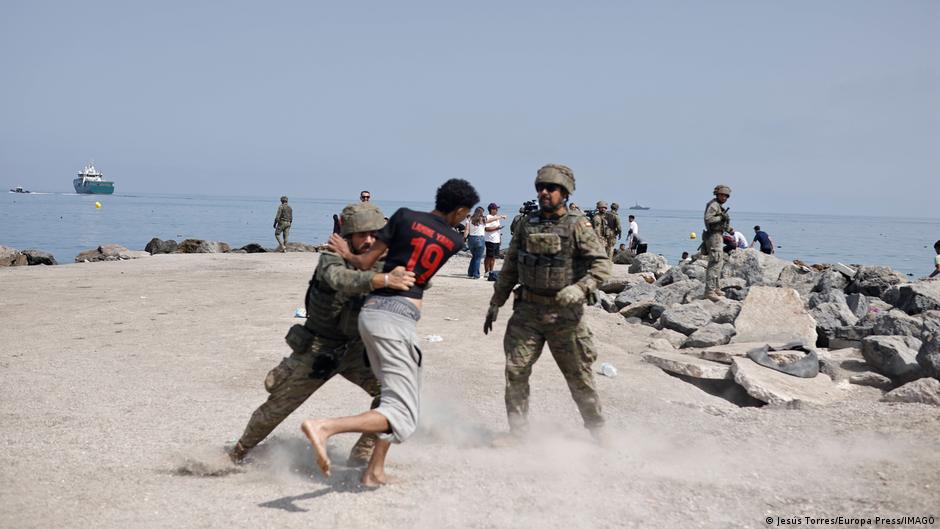
Spain's Prime Minister Pedro Sánchez visited the Spanish North African enclave of Ceuta amid a dramatic influx of nearly 60,000 undocumented migrants crossing from neighboring Morocco. The event sparked a national security response and raised concerns about border control and geopolitical tensions in the region.
Ceuta, a small Spanish exclave bordering Morocco with a population of approximately 85,000, experienced an unprecedented surge of migrants trying to enter the enclave over recent days. According to local authorities, tens of thousands crossed into Ceuta illegally, prompting Madrid to dispatch military personnel to restore order—an operation not seen since 2021.
Security and Political Implications
Prime Minister Sánchez described the mass crossing as an “attack” on Spain, citing it as a violation of the country’s territorial integrity. This rhetoric underscores the seriousness with which the Spanish government views the situation—both as a humanitarian challenge and a geopolitical issue involving relations with Morocco.
"The influx represents not only a humanitarian crisis but also a direct challenge to Spain’s sovereignty and border security," said Sánchez during his visit to Ceuta.
Tragically, the crossing was marked by loss of life as dozens of migrants drowned attempting to reach Ceuta by sea. By July 31, reports indicated 57 fatalities, highlighting the perilous nature of the migration attempt.
In response, the Spanish government has facilitated the voluntary return of thousands of migrants back to Morocco via the land border. Foreign Minister José Manuel Albares later announced that the crisis was largely under control, with nearly all who had crossed returning to Morocco by the end of July.
Locally, the situation triggered unrest among Ceuta’s residents, who protested the sudden arrival of large numbers of migrants. Many shops remained shuttered amid fears of looting, and residents reportedly expressed a widespread sense of insecurity.
European authorities also weighed in on the developments. The European Commission confirmed that none of the migrants who reached Ceuta had managed to access mainland Europe, emphasizing the effectiveness of border controls in place beyond the enclave.
Broader European Reactions and Implications for Innovation Ecosystem
Notably, Italy reacted by temporarily suspending the Schengen Agreement’s free movement provisions with Spain, citing the need to safeguard its citizens and secure the EU’s external borders. Italian Foreign Minister Antonio Tajani stated on social media that this was a necessary step to ensure security in light of the sudden migration surge.
This incident underscores the vulnerabilities and challenges faced by European border states, potentially impacting the broader EU integration agenda. For the venture capital and tech startup ecosystem, such geopolitical disruptions can have ripple effects on regional stability, investor confidence, and cross-border collaboration initiatives.
Border tensions and humanitarian crises may redirect government priorities and funding away from innovation infrastructure toward security and emergency response. Additionally, startups focusing on border security technologies, migration management, and humanitarian tech may see increased interest and funding opportunities as governments seek scalable solutions.
As Spain regains control over Ceuta, the episode highlights the complex interplay between migration flows, national security, and regional cooperation—factors that directly or indirectly influence the European innovation landscape.