Bulgaria to Veto New EU Sanctions on Russia, Citing Economic Risks and Energy Sector Impact
Bulgarian Prime Minister announces veto on EU's latest sanctions package against Russia due to concerns over national economy and key energy assets.
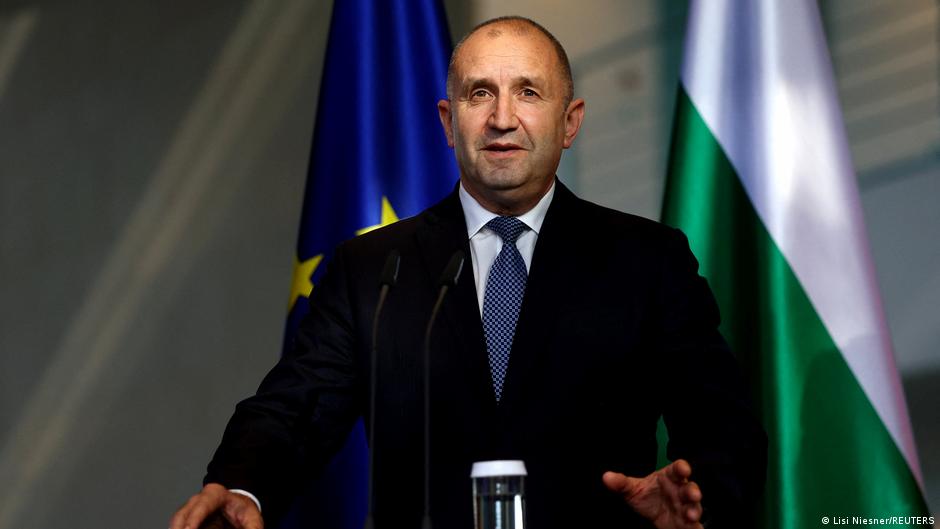
Bulgaria has announced its intention to veto the European Union's new sanctions package against Russia, citing potential risks to the national economy and critical energy infrastructure. Prime Minister Rumen Radev stated the decision on June 18, emphasizing concerns over the impact of these measures on Bulgaria’s oil industry and transportation sectors.
Economic Concerns and Energy Sector Risks
Prime Minister Radev specifically highlighted the threat that the sanctions pose to "Lukoil," one of Bulgaria’s largest fuel retailers and the operator of the country’s sole oil refinery located in Burgas. "There is a significant risk to Lukoil's operations. We want the company to be excluded from the sanctions list," Radev told reporters ahead of the European Council meeting in Brussels.
Lukoil's refinery is a critical asset in Bulgaria’s energy supply chain, and its inclusion in the sanctions could disrupt fuel availability and increase costs. Additionally, Radev expressed concerns about potential interruptions in the supply of spare parts for Sofia's metro system and essential agricultural fertilizers, both vital for the country's infrastructure and food security.
"How have these sanctions stopped the war? And how have they helped establish peace?" Radev questioned, underscoring the need for a more measured approach within EU decision-making bodies.
Despite his objections to the sanctions, Radev reaffirmed Bulgaria’s support for Ukraine’s EU accession negotiations, indicating a nuanced stance that balances geopolitical alignment with economic pragmatism.
Implications for Tech Startups and the Innovation Ecosystem
Bulgaria’s veto could have broader implications beyond immediate energy and economic considerations. The country’s tech startups and emerging innovation ecosystem are closely intertwined with access to stable energy supplies and favorable investment climates. Disruptions in the oil supply chain or increased economic uncertainty could dampen investor confidence, potentially slowing venture capital inflows and M&A activity within the Bulgarian tech sector.
Moreover, as many startups rely on consistent infrastructure and affordable logistics, any interruptions in transport and energy could increase operational costs, hampering growth prospects. The political tension surrounding sanctions may also contribute to a cautious approach by international investors evaluating exposure to regional risks.
Given that the EU sanctions target multiple Russian and affiliated companies involved in the military-industrial complex and oil exports—including entities operating in various jurisdictions such as Russia, Liberia, Turkey, and the UAE—Bulgaria’s resistance could signal divisions within the EU that affect unified enforcement and market predictability.
Sanctions Target Prominent Figures Linked to Russian Influence
The EU’s expanded sanctions list also includes notable individuals tied to Russian political and religious influence, such as Patriarch Kirill of the Russian Orthodox Church and media figures like Anatoly Kuzichev. These measures highlight the EU's broader strategic intent to curtail Russia's geopolitical reach, but also complicate diplomatic consensus among member states like Bulgaria that have direct economic concerns.
As Bulgaria prepares to exercise its veto, stakeholders in the venture capital and startup community should monitor evolving geopolitical dynamics closely. The balancing act between political objectives and economic stability will be critical in shaping the future investment landscape in Bulgaria and the broader region.
For startups, innovation hubs, and investors, understanding these sanctions' ripple effects is essential for strategic planning and risk management in one of Eastern Europe's growing tech markets.