Ukraine’s Shift from NATO Aspirations to New Defense Alliances Signals Strategic Realignment
Ukraine’s former military chief highlights challenges with NATO integration, advocating for emerging defense coalitions as alternatives.
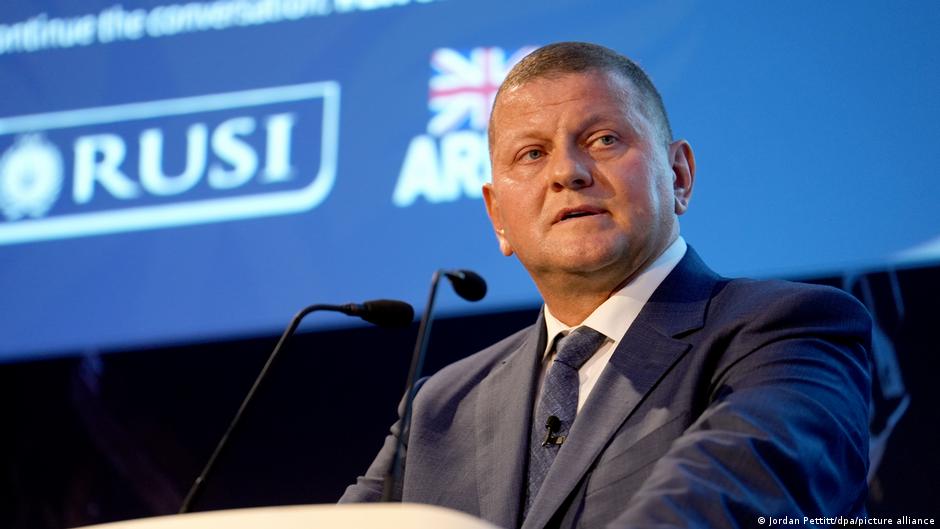
Ukraine’s longstanding ambition to join NATO faces significant obstacles, according to General Valeriy Zaluzhny, the country’s ambassador to the UK and former commander-in-chief of the Ukrainian Armed Forces. Speaking at a meeting of Ukrainian ambassadors in Kyiv on August 3, Zaluzhny expressed skepticism about Ukraine’s NATO membership prospects and emphasized the importance of cultivating other strategic defense partnerships.
Challenges in NATO Integration and Alternative Security Alliances
General Zaluzhny, who has been deeply involved in aligning Ukraine’s military standards with NATO protocols for over a decade, candidly stated that Ukraine will likely never become a NATO member. He pointed out that the current development level of the Ukrainian Armed Forces does not meet NATO’s standards, which he described as rooted in doctrines from the World War II era.
“I have a deep understanding of NATO, and for about 12 years I worked on adopting its standards. Every year, I heard promises that we were about to join NATO. Unfortunately, we never will,” Zaluzhny declared.
He further assessed that NATO’s organizational framework is unlikely to evolve in the near future, making Ukraine’s transition to full NATO standards a protracted process—potentially spanning over a decade—just to reach half the operational level of the Russian Federation's forces.
Despite this prognosis, Zaluzhny acknowledged Ukraine’s urgent need for NATO’s advanced technologies, particularly in missile defense systems. This aligns with Ukrainian President Volodymyr Zelensky’s calls for enhanced access to American Patriot missile systems, which have been critical for countering ongoing Russian missile attacks during the protracted conflict.
As an alternative to NATO membership, Zaluzhny advocates for Ukraine’s integration into emerging defense coalitions like the Joint Expeditionary Force (JEF). Established in 2015, JEF is a UK-led coalition of ten Northern European countries including Denmark, Finland, Estonia, and others, focused on regional security in Northern Europe, the Baltic, and Arctic zones.
Ukraine attained the status of an enhanced partner of the JEF in December 2025. The coalition collaborates with NATO in containing Russian naval activity and has expressed readiness to impose stringent measures against Russia’s so-called "shadow fleet." However, Zaluzhny noted Ukrainian regret over the country’s limited engagement with JEF, citing that the coalition's current command and control structures are underdeveloped for Ukraine’s full participation.
"The management bodies of the coalition are still weak and not yet at a level where we could say they fit our needs," Zaluzhny remarked. Moreover, JEF’s organizational setup presently lacks commitments for collective defense, which distinguishes it from NATO’s Article 5 obligations.
Looking ahead, Zaluzhny envisions Ukraine aligning itself with newly forming European security blocs that may offer more adaptable frameworks for defense cooperation and technological exchange. Such realignments could have profound implications for Ukraine’s defense innovation ecosystem, potentially opening pathways for startups and tech firms to collaborate within these emerging alliances, benefitting from shared resources, R&D efforts, and access to advanced military technologies.
As Ukraine recalibrates its strategic partnerships, venture capital and tech startups in the defense sector stand to gain from increased integration with European coalitions. This shift may accelerate innovation in areas like drone technology, cybersecurity, and missile defense systems, fostering a more resilient and self-reliant defense industry capable of responding to evolving security challenges.