Ukrainian Security Service Executes 40-Day Operation Targeting Russian Military and Energy Assets
SBU reports extensive strikes on over 100 strategic Russian targets amid ongoing conflict, impacting military and energy infrastructure.
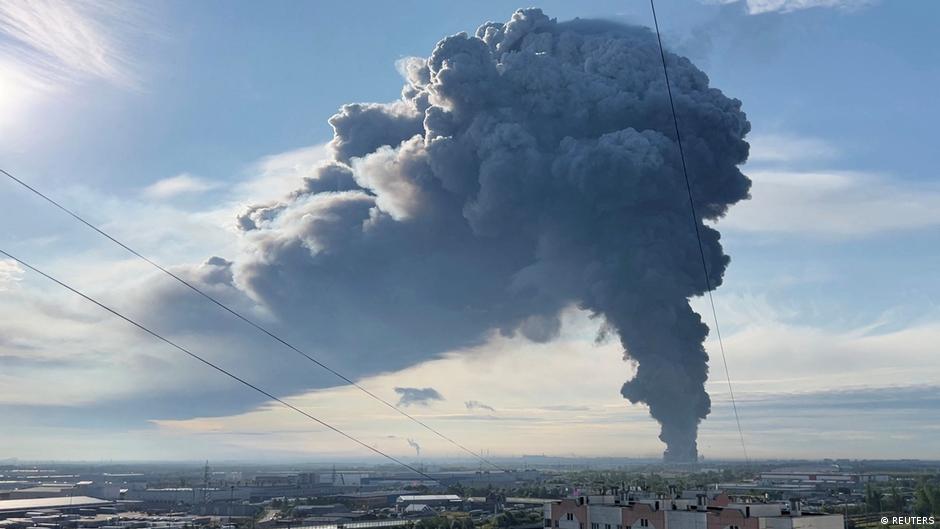
The Ukrainian Security Service (SBU) has completed a 40-day military campaign aimed at exerting pressure on Russia to cease hostilities, striking more than 100 strategic facilities across Russian territory and occupied Ukrainian regions. According to SBU reports released on August 4, the operation targeted a broad range of military and industrial assets, including critical infrastructure supporting Russia's defense and energy sectors.
Strategic Impact on Russia’s Military and Energy Infrastructure
The operation, authorized on June 25 by Ukrainian President Volodymyr Zelensky, involved comprehensive attacks on key components of Russia’s military-industrial complex. Among the targets were airbases, air defense systems, naval vessels including Black Sea Fleet ships, command centers, and tanker shipments linked to Russia’s shadow fleet. The SBU reported neutralizing over 21,000 units of military hardware and inflicting approximately 5,000 casualties among Russian forces.
A significant focus of the campaign was the systematic disruption of Russia’s fuel and energy supply chain. The SBU struck 14 oil refineries, numerous oil depots, storage facilities, pumping stations, terminals, and even an offshore oil platform. In addition, several oil tankers such as the Blue, Louise 1, Banda, and Avero, plus two cargo vessels under international sanctions, were targeted, further constraining Russia’s energy logistics.
"The 40-day campaign aimed to simultaneously weaken key elements of the Russian military machine," the SBU stated. "Efforts to diminish Russia’s military-economic capabilities will continue."
With this operation, Ukrainian authorities have demonstrated a strategic approach to degrading Russia’s warfighting capacity by striking critical nodes in both military hardware and energy infrastructure. This serves not only a military objective but also broader economic pressure, which could have ripple effects on global energy markets and supply chains.
President Zelensky has approved further operations with the acting head of the SBU, Major General Oleksandr Poklad, signaling ongoing efforts to maintain pressure on Russia. The initial announcement of the operation emphasized the goal of compelling Russia to choose peace, aligning military action with diplomatic objectives.
As this extensive campaign unfolds, the impact on Russia's industrial and technological landscape is likely to influence venture capital and startup ecosystems indirectly. Disruptions in energy and defense sectors may accelerate innovation in alternative energy, cybersecurity, and defense tech startups within Ukraine and allied countries aiming to fill strategic gaps created by the conflict.