Russian Convoys Reverse Course After Ukrainian Drone Strike in Libya
Russian military convoys changed course after a Ukrainian maritime-drone strike in Libya, sharpening risks and opportunities for dual-use technology startups.

Russian military convoys changed course after a Ukrainian maritime-drone strike in Libya, sharpening risks and opportunities for dual-use technology startups.

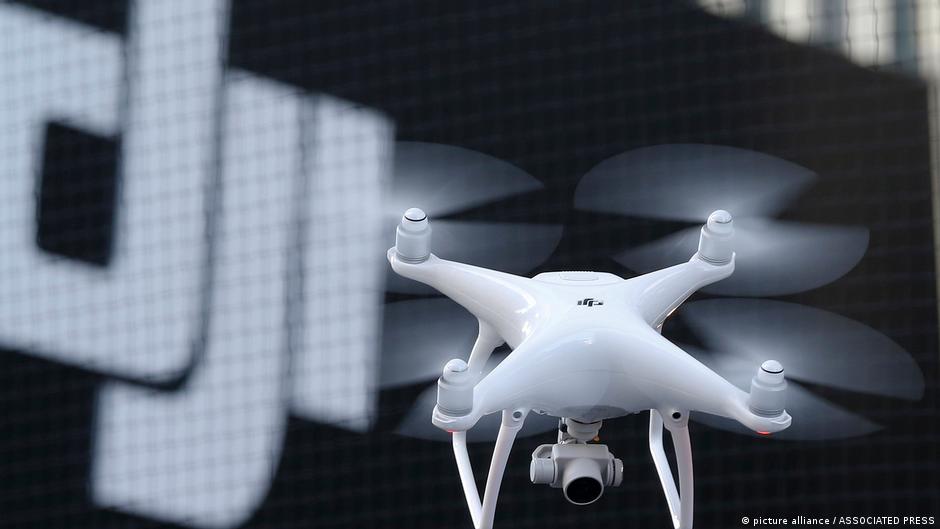
A drone sighting halted Cologne Bonn flights for several hours, underscoring demand for airport detection systems and other security technologies.

Sweden’s diplomatic clash with Russia adds security and mobility risks for Nordic startups, venture investors and cross-border acquirers.

Ukraine’s Benghazi operation adds geopolitical risk for startups and investors exposed to North African logistics, infrastructure and dual-use technology.

Poland’s planned eastern border no-fly zone may restrict civilian drone operations while creating opportunities for defense and airspace technology startups.

Lithuania’s proposed EU terror listing for Russian military intelligence follows an alleged attack plot against an Estonian drone maker.

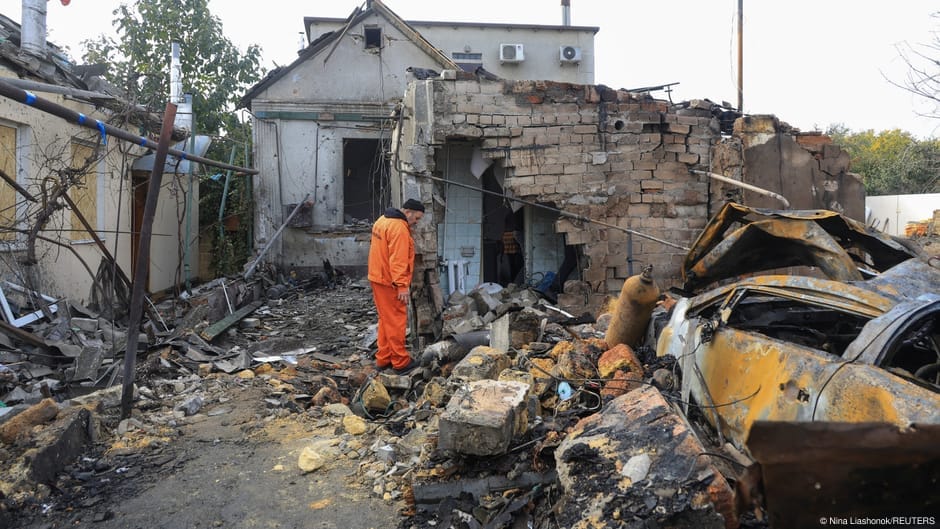
Russian attacks killed three people, damaged businesses and production assets, and intensified power restrictions affecting Ukraine’s startup economy.

Russian aircraft briefly entered South Korea’s KADIZ, triggering fighter deployments, a diplomatic protest and scrutiny of emergency-alert technology.

A Russian drone’s brief entry into Polish airspace highlights demand for safer interception, integrated surveillance and NATO-compatible defense technology.

Russia’s expansion of a military settlement near Finland adds geopolitical risk to Nordic startup, investment and technology-sector planning.

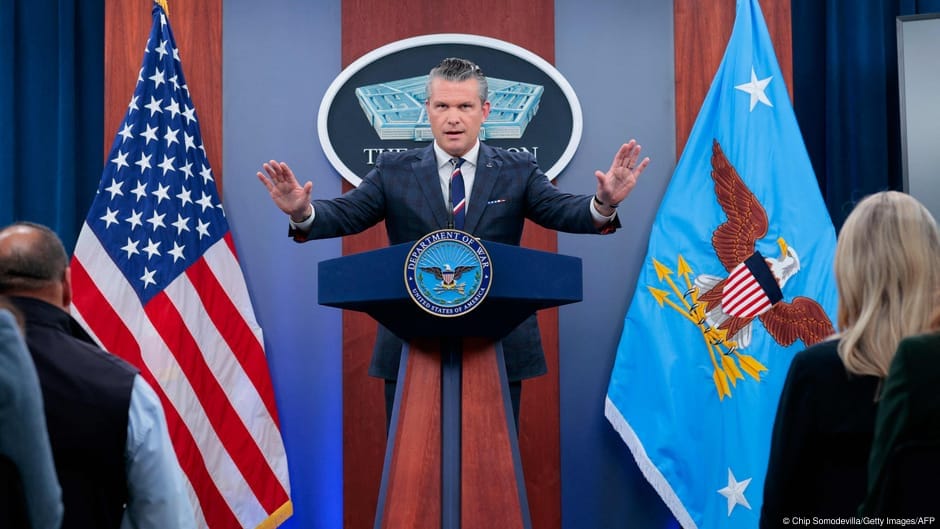
New Pentagon limits preserve NATO and NORAD links but create uncertainty for defense startups, investors and cross-border procurement.

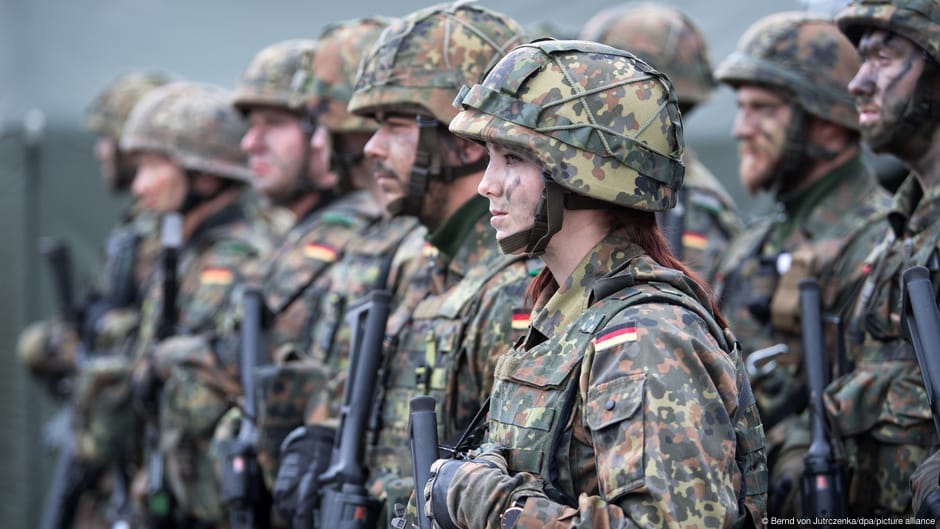
Germany’s decision to move tanks to Lithuania by rail highlights opportunities in dual-use logistics, infrastructure software and defense technology.

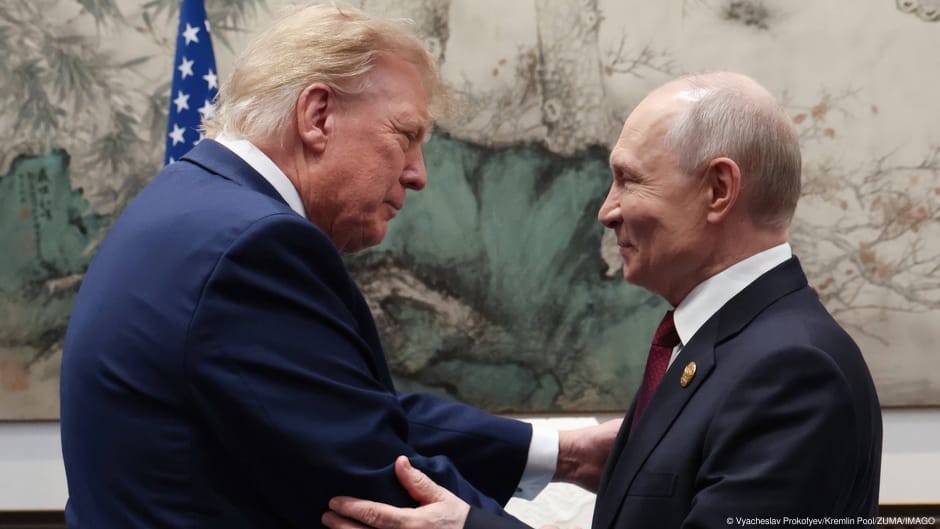
Trump’s drive for a Ukraine agreement before January 2027 could reshape defense-tech funding, startup risk and M&A across Europe.

Germany and Poland are preparing a defense action plan that could expand cross-border opportunities in cybersecurity, advanced technology and industrial supply chains.

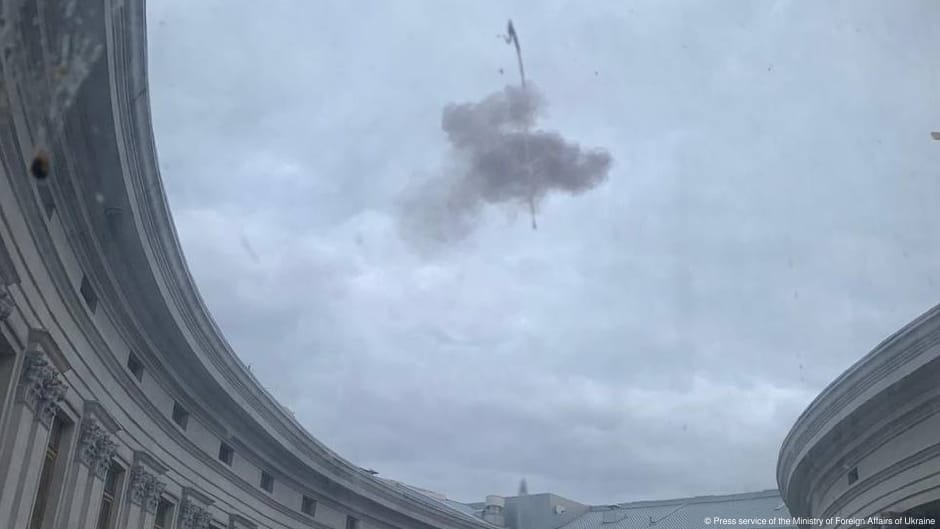
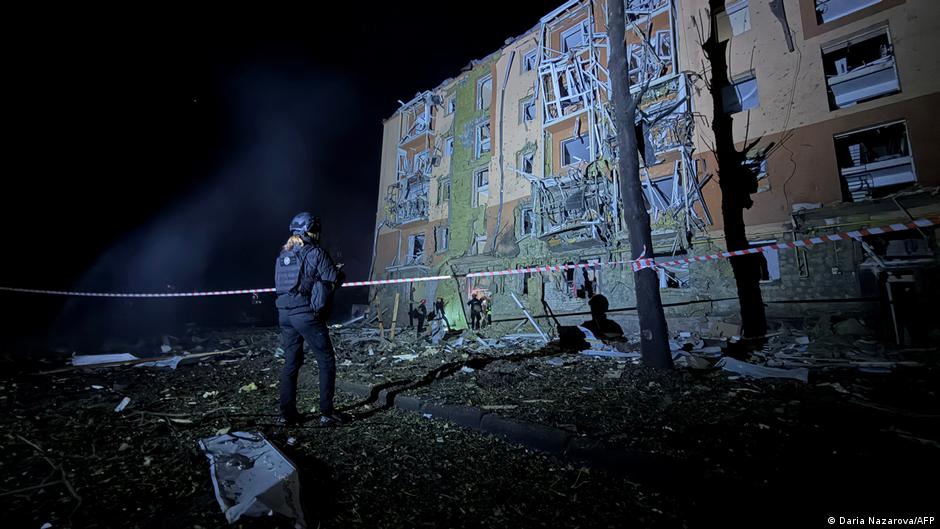
Ballistic missile strikes damaged Kyiv bridges and buildings, intensifying infrastructure and continuity risks for the capital’s startup and investment ecosystem.

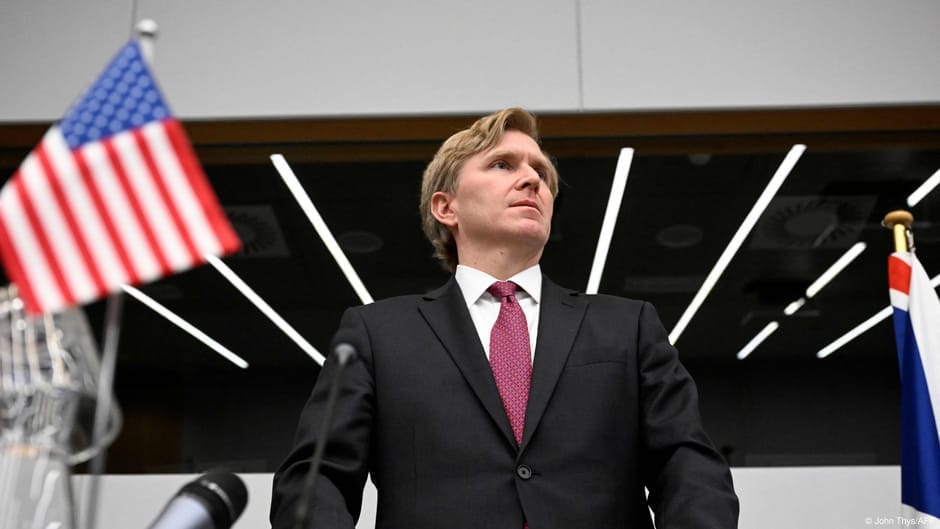
Elbridge Colby’s early exit from NATO talks exposes policy uncertainty for Ukrainian defense startups, venture investors and reconstruction-focused technology companies.

Berlin talks on Ukraine aid and European security could influence procurement, venture funding and consolidation across the region’s defense-tech sector.

The confirmed toll from the Kamyshuvakha humanitarian center strike reached 72, underscoring the wartime risks facing Ukraine’s startups and investors.

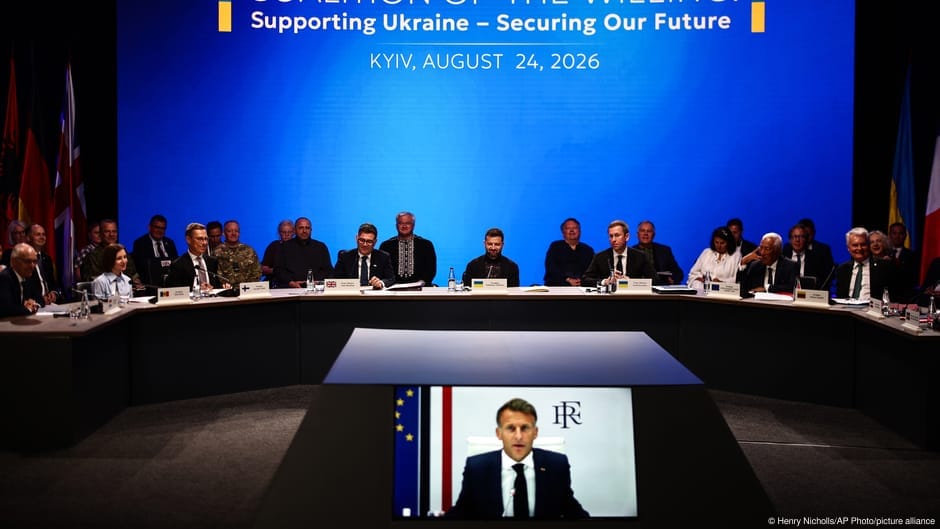
Kyiv is preparing coalition talks to unify Europe’s Russia strategy while reviewing cyber, digital, energy and defense support mechanisms.

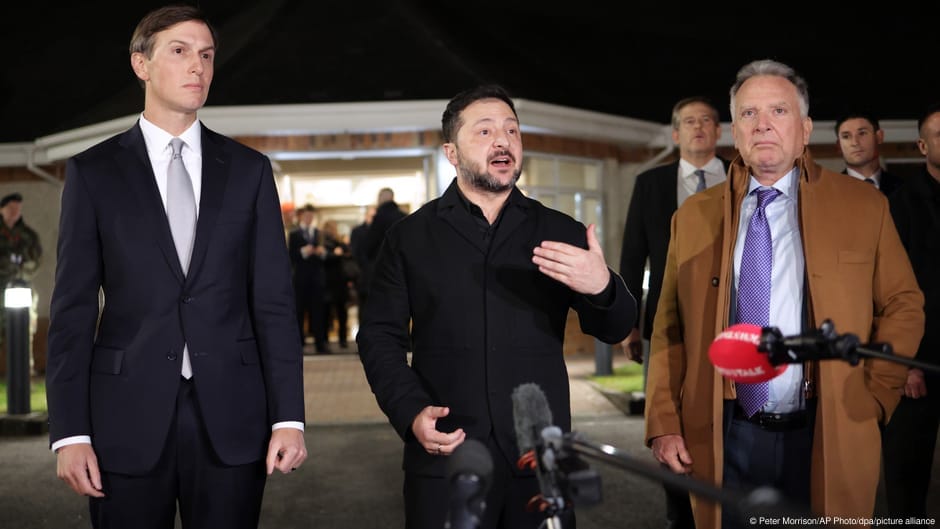
US-led Ukraine diplomacy may influence geopolitical risk assessments, startup financing and cross-border technology deals across Europe.

A smaller US troop withdrawal from Europe could reduce uncertainty for defense startups, investors and strategic suppliers serving NATO markets.

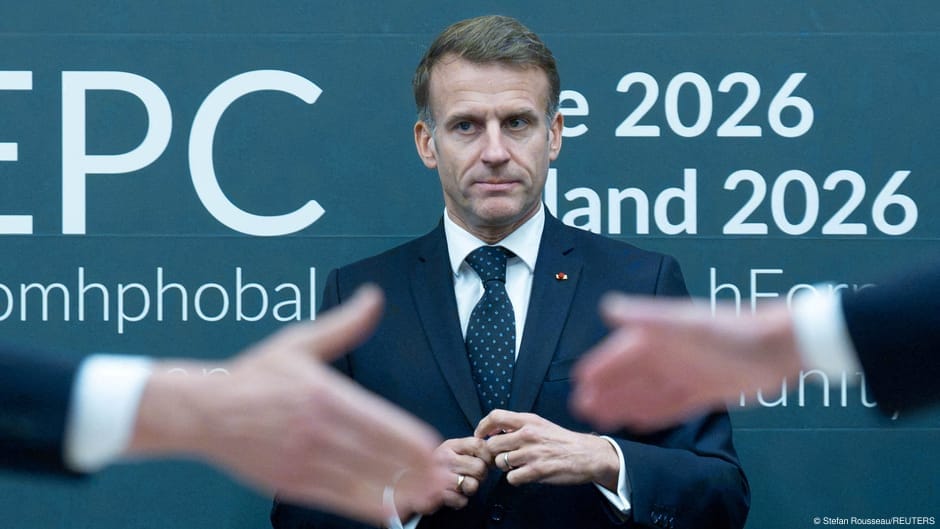
Macron’s call for sustained Ukraine support highlights fiscal divisions that could shape European defense tech, dual-use funding and startup demand.

Germany’s ban on Chinese drones and vehicles at military sites could redirect procurement toward European defense and security technology startups.

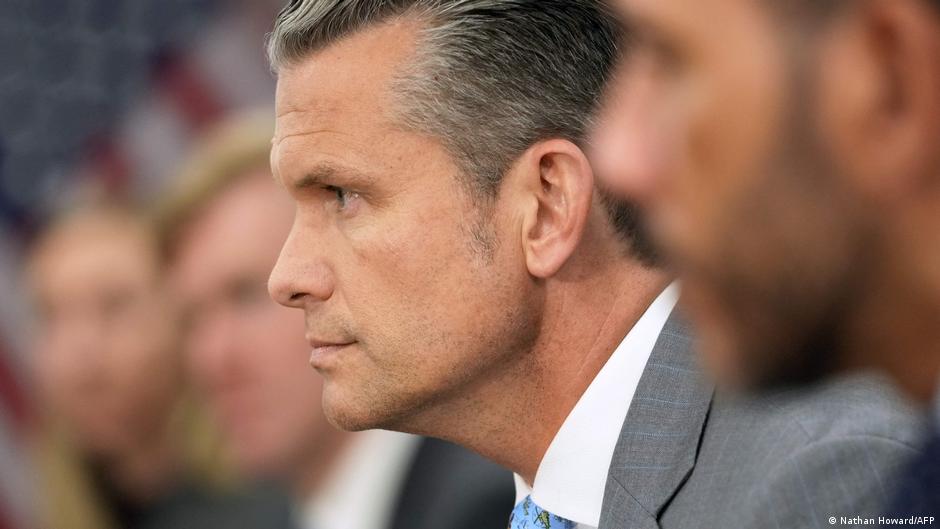
House Republicans stalled an effort to impeach Defense Secretary Pete Hegseth, preserving near-term continuity but leaving uncertainty for defense startups and investors.

The EU extended its Ukraine military training mission through 2028, creating a longer investment horizon for Europe’s defense and dual-use technology ecosystem.

A Republican effort to impeach Defense Secretary Pete Hegseth adds political uncertainty for defense startups, investors and strategic buyers.

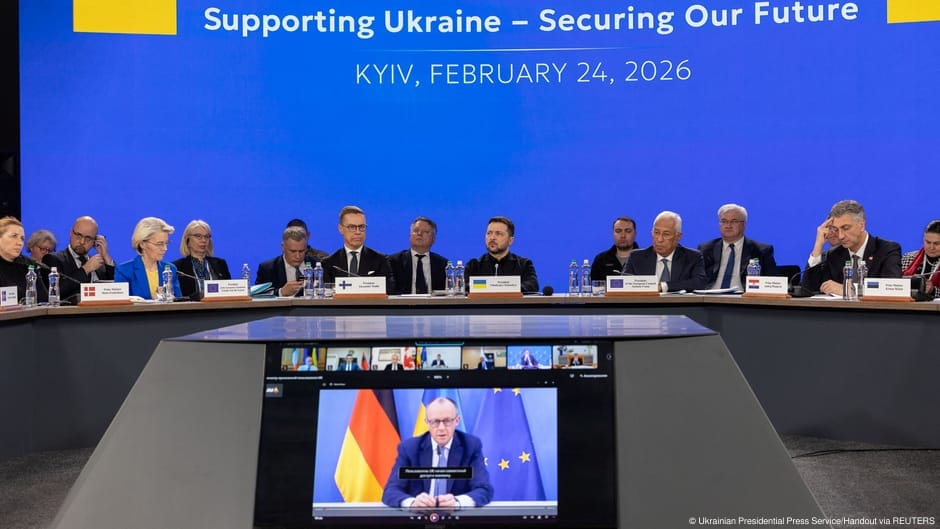
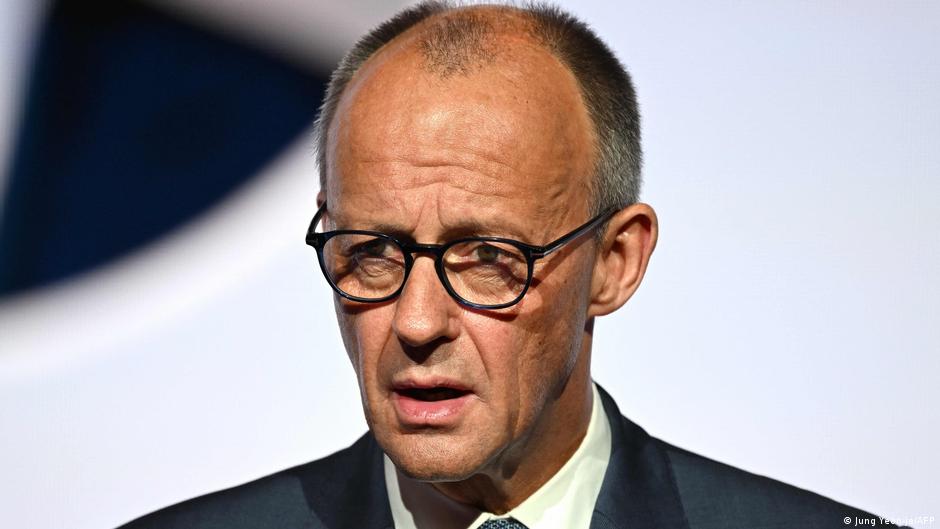
Merz is pressing all EU members to help close Ukraine’s €45 billion funding gap, tying the dispute to wider fiscal decisions affecting Europe’s investment climate.

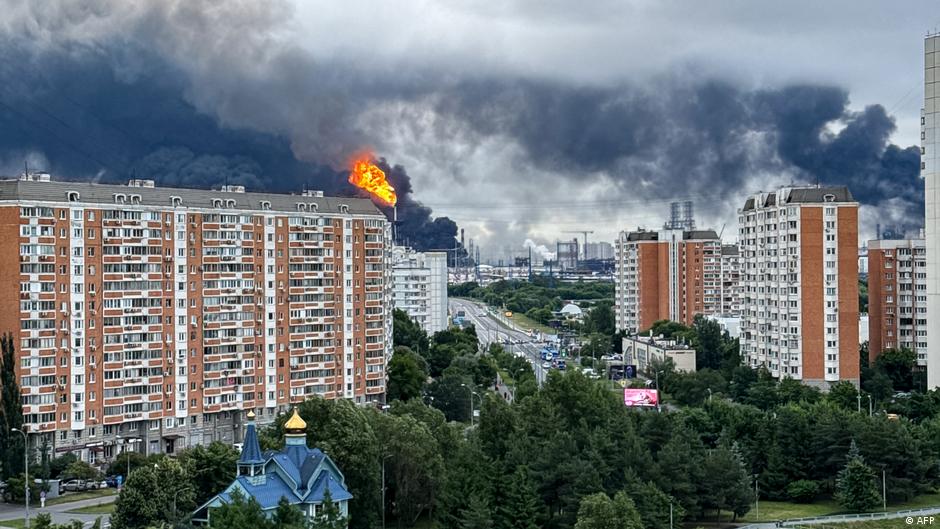
A reported drone strike on the KINEF refinery underscores infrastructure, sanctions and funding risks facing startups and investors in Russia’s northwest.

Gadi Eisenkot’s coalition mandate opens a decisive period for Israel’s political stability and the outlook for startups, venture funding and technology investment.

Trump’s order for a Justice Department probe of Democrats adds political and regulatory uncertainty for US startups, venture investors and technology dealmakers.

A reported fire at Oryol’s Proton optoelectronics plant highlights supply-chain and investment risks across Russia’s dual-use technology ecosystem.

At least 350 Russian conscripts have died in Ukraine, adding to workforce and investment risks confronting Russia’s technology startup ecosystem.

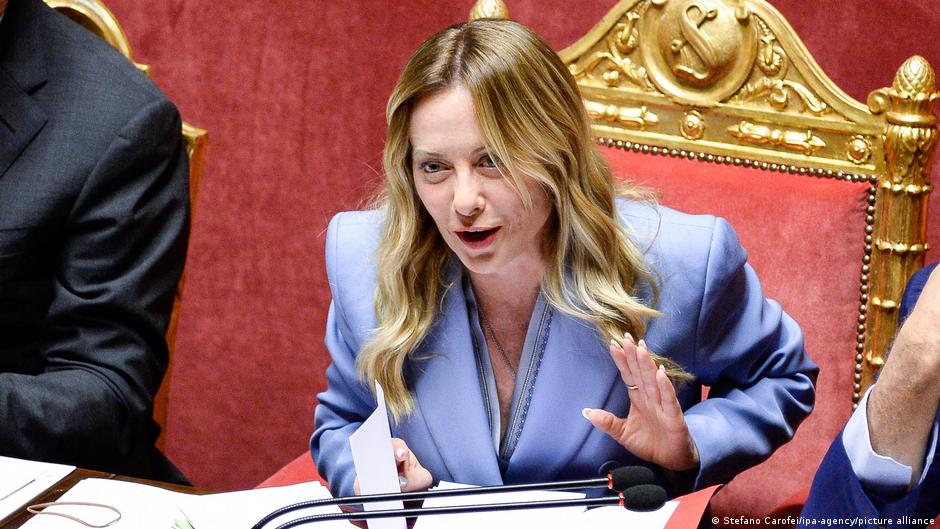
Giorgia Meloni is pressing the EU to choose a single Ukraine peace envoy, as diplomatic fragmentation adds uncertainty for European startups and investors.

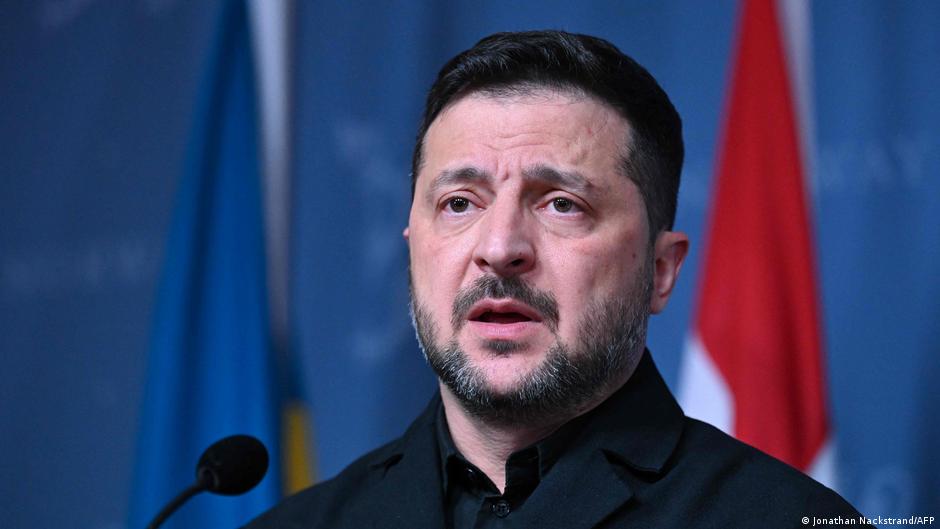
Zelensky expects a Democratic-led Congress to expand US support for Ukraine, potentially improving confidence across the country’s startup and venture ecosystem.

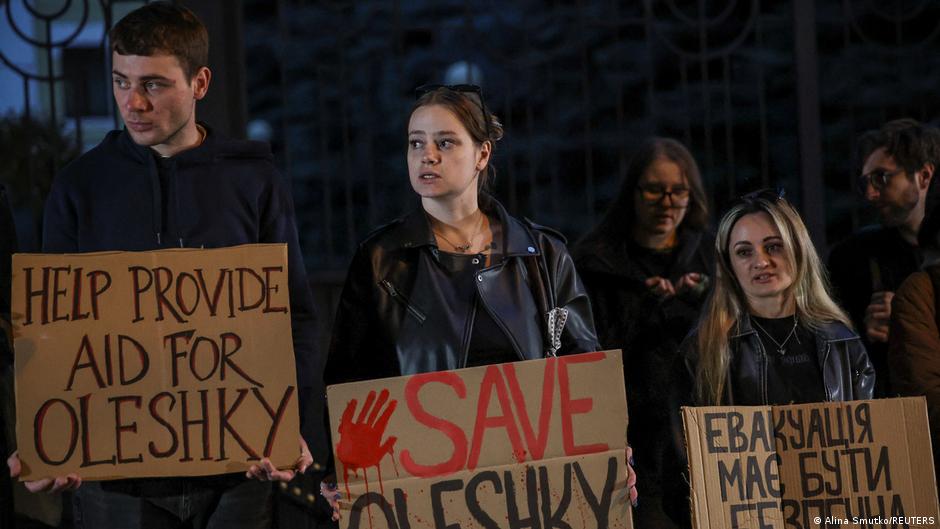
White House talks on the Oleshky ceasefire highlight the need for resilient logistics, communications and crisis-response technology in conflict zones.

False emergency alerts in Ukraine and Russia expose cybersecurity and investment risks for startups supplying critical government technology.

Italy’s mass protests over living costs and military spending highlight economic pressures relevant to startups, talent and venture investors.

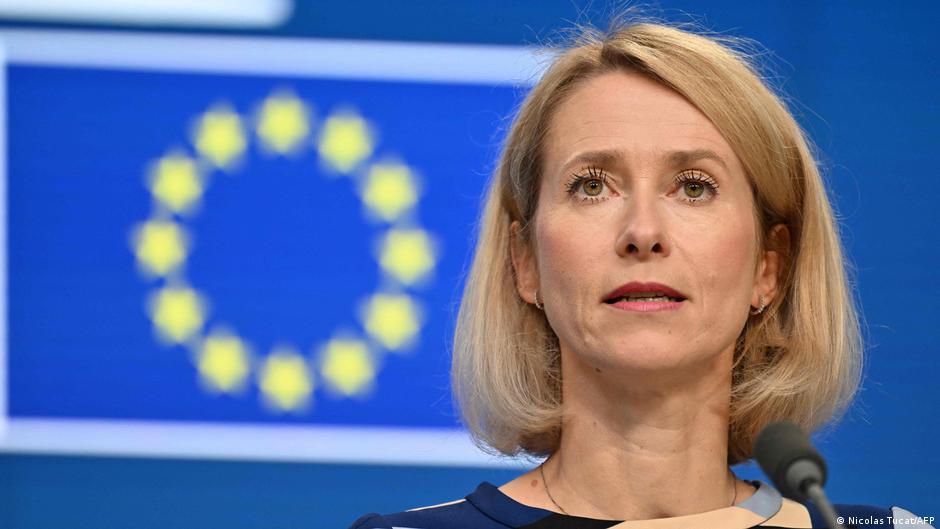
Kaja Kallas said Russia showed no readiness for Ukraine peace talks at the G20, extending geopolitical uncertainty for European startups, investors and technology deals.

Ukraine’s reported refinery-strike pause exposes geopolitical and infrastructure risks for defense, energy and satellite technology startups.

British and Dutch aid for Ukraine combines defense procurement, export guarantees and reconstruction funding with potential openings for technology suppliers.

The Pentagon watchdog’s refusal to investigate Starlink disruptions underscores governance and supplier-concentration risks in defense technology.

Reported attacks on industrial sites in Lipetsk and Tula expose growing supply-chain and investment risks for Russia’s defense-linked technology sector.

Romania says a Russian-coordinated network targeted an arms plant, adding physical security and supply-chain risks for Europe’s defense technology sector.

A temporary ceasefire in Oleshky enables aid and evacuation preparations, highlighting the role and limits of drones, demining and logistics technology.

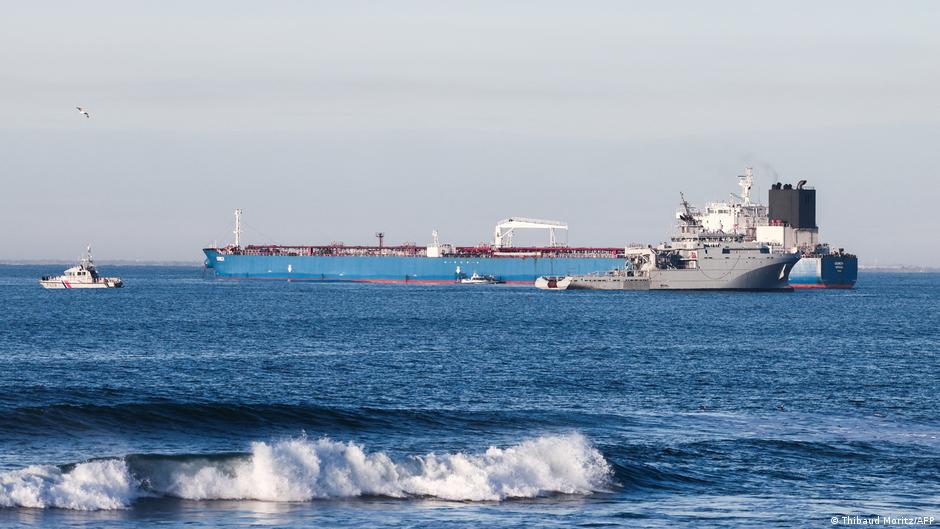
MYRA’s distress signal off Ireland highlights demand for maritime monitoring, sanctions compliance and ownership-mapping technologies.

Ukraine says Starshield speed limits remain, highlighting platform-dependency risks for defense-tech startups, venture investors and potential acquirers.

SpaceX restored full Starlink access in Ukraine, highlighting the strategic power and governance risks of privately controlled defense infrastructure.

Russian strikes killed two people, disrupted power supplies and halted a German-owned auto-components plant, adding to operational risks for Ukraine’s innovation economy.

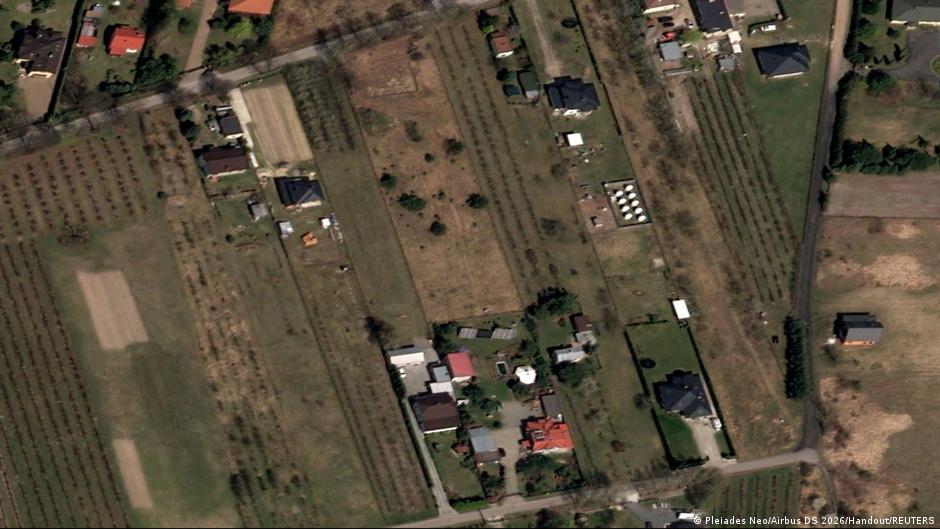
Suspected arson at a Starlink facility near Warsaw highlights physical security and geopolitical risks for Europe’s space startups and investors.

Five drone incursions in one day highlight geopolitical and operational risks for Moldova’s startups, venture investors and technology ecosystem.