Decline in CDU/CSU Support Signals Shifts in Germany’s Political Landscape Ahead of Key State Elections
Conservative bloc CDU/CSU falls to 20% in polls, boosting ultra-right Alternative for Germany and raising questions for political stability impacting innovation environment.
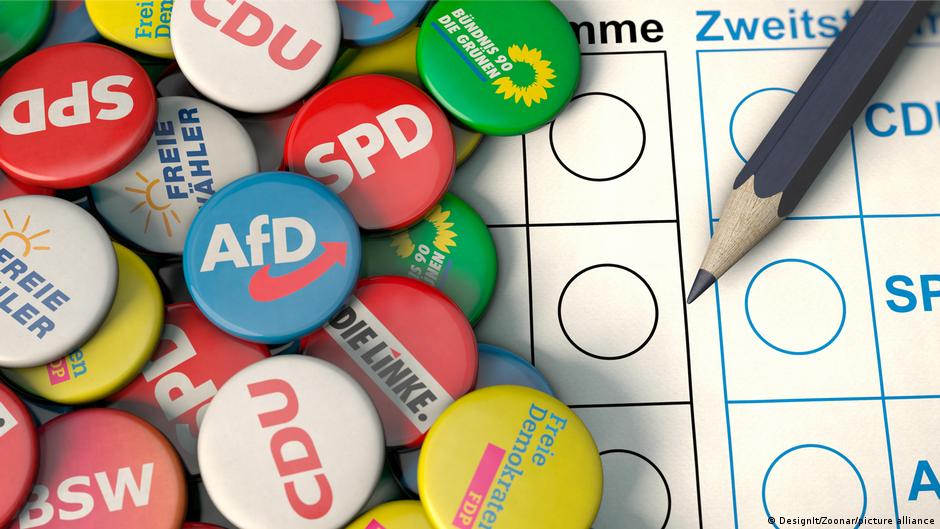
Recent polling data reveals a significant decline in support for Germany’s leading conservative bloc, the Christian Democratic Union (CDU) and Christian Social Union (CSU), with backing dropping to 20%—its lowest level in five years. This shift poses notable implications for the country’s political stability and subsequently the environment for venture capital, startups, and innovation ecosystems.
Changing Political Dynamics and Implications for Germany’s Innovation Ecosystem
The INSA polling institute’s Sonntagstrend survey, published on August 15, shows that the CDU/CSU coalition, currently in government, has lost ground to the far-right Alternative for Germany (AfD), which leads with 28% support. The Green Party remains steady at 13%, while the Social Democratic Party (SPD) and The Left each hold 12%.
This erosion of traditional conservative support coincides with upcoming key state elections in Saxony-Anhalt, Mecklenburg-Western Pomerania, and Berlin occurring in September. Notably, the AfD might form a state government for the first time in Saxony-Anhalt, signaling a potential shift in regional governance.
"Polls reflect momentary public sentiment amid voters’ growing unpredictability, complicating forecasts for election outcomes and the political environment that startups and investors operate within."
The weakening grip of established parties and rising fragmentation create uncertainties for Germany’s political and economic landscape, critical factors for venture capital and startup communities. Political volatility often translates into cautious investment climates, affecting funding availability and regulatory predictability.
Germany’s innovation ecosystem, known for its robust Mittelstand - small and medium enterprises - and increasing startup activities in tech hubs like Berlin and Munich, depends heavily on stable policy frameworks. The CDU/CSU’s declining influence raises questions about future government priorities, especially regarding digital infrastructure, startup support programs, and international investment attraction.
Moreover, the Social Democrats and Greens, with steady support, could play pivotal roles in forming governing coalitions, potentially shifting focus towards sustainability, digital transformation, and social policies that influence tech innovation funding and market opportunities.
Meanwhile, the Free Democratic Party (FDP) remains just above the parliamentary threshold with 5%, sustaining its role as a potential coalition partner advocating for business-friendly and innovation-focused policies. Conversely, smaller groups like the left-populist "Sahra Wagenknecht Union" at 3% fall short of parliamentary representation.
These electoral uncertainties come as Germany seeks to maintain its competitive edge in the European tech startup arena, facing challenges from faster-moving markets and evolving global investment trends. The political developments underscore the necessity for venture capitalists and entrepreneurs to closely monitor policy shifts that could reshape market conditions.