Drone Attacks in Russia’s Tula Region Result in Civilian Casualties Amid Ongoing Conflict
Three civilians killed in drone strikes highlight risks to industrial areas near military sites as conflict escalates.
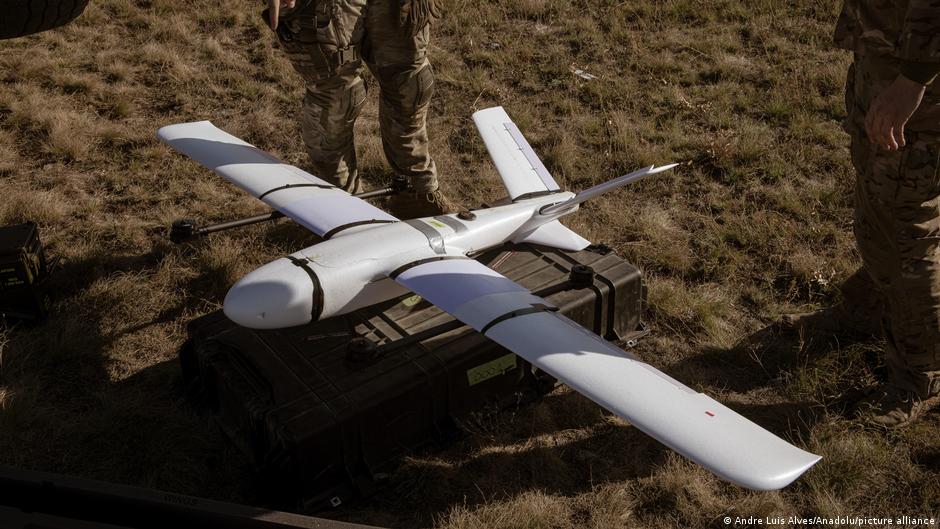
On the night of June 15, several regions in Russia, including the Tula region and the Moscow suburb of Reutov, experienced drone attacks attributed to Ukrainian forces. These strikes resulted in three civilian deaths in Tula and caused damage to homes and commercial properties in multiple settlements.
Impact on Industrial and Residential Zones
Dmitry Milyaev, governor of the Tula region, reported that the drone attacks hit residential areas in settlements such as Yamny, Maslovo, Mikhalkovo, and Inshinsky. Several private houses and businesses sustained damage. Tragically, three civilians lost their lives, and three more, including a one-year-old child, were injured and received medical treatment.
In Reutov, a drone attack ignited a fire in an industrial zone. Initial reports suggested explosions near a military-industrial enterprise, "NPO Mashinostroeniya." However, later clarifications indicated that the downed drone crashed on the premises of "Mirital," a frozen food manufacturer located approximately 700 meters from the military facility. The proximity of civilian industrial plants to military sites underscores the collateral risks posed by the ongoing conflict in the region.
"The drone strikes targeted both residential and industrial areas, illustrating the blurred lines between military and civilian zones in this conflict," noted regional officials.
Moscow Mayor Sergey Sobyanin confirmed that four drones were intercepted and neutralized overnight, highlighting the scale of the attack attempts on the region.
Broader Context of Escalating Strikes
Simultaneously, Russian forces conducted large-scale strikes on Ukrainian cities, including Kharkiv and Kyiv. In Kharkiv, at least five people, including emergency responders attempting to extinguish fires from previous attacks, were killed in follow-up strikes.
In Kyiv, approximately 140,000 electricity consumers experienced power outages after drones struck several residential buildings, resulting in at least four fatalities and 23 injuries, according to Kyiv's military administration head Timur Tkachenko.
Among the cultural losses, a drone attack set fire to the roof of the Assumption Cathedral within the Kyiv Pechersk Lavra, a UNESCO World Heritage Site and one of Eastern Slavic Christianity’s most revered landmarks. Kyiv Mayor Vitali Klitschko confirmed the damage, underscoring the cultural costs of the conflict.
Implications for Tech Startups and the Innovation Ecosystem
The recent wave of drone attacks in industrial and residential areas near military facilities carries significant implications for technology startups, venture capital investors, and the broader innovation ecosystem in the region. The targeting of areas adjacent to military-industrial enterprises highlights the vulnerability of tech and manufacturing startups operating within or near conflict zones.
Venture capital firms and startups must now consider geopolitical risks more seriously when evaluating the safety and sustainability of operations in contested regions. The collateral damage to non-military enterprises, such as food manufacturers and small businesses, could create disruptions in supply chains and investment confidence.
Furthermore, the escalation of drone warfare may accelerate demand for startup innovations in defense technology, cybersecurity, and drone detection systems, potentially opening new avenues for investment and development.
As the conflict persists, the resilience and adaptability of the regional tech ecosystem will be tested, with increased focus on risk mitigation and diversification of operational geographies.