Russian Missile and Drone Attacks on Ukrainian Cities Cause Civilian Casualties and Infrastructure Damage
Intensified air strikes by Russia on Ukrainian urban centers result in fatalities and raise concerns over defense capabilities amid ongoing conflict.
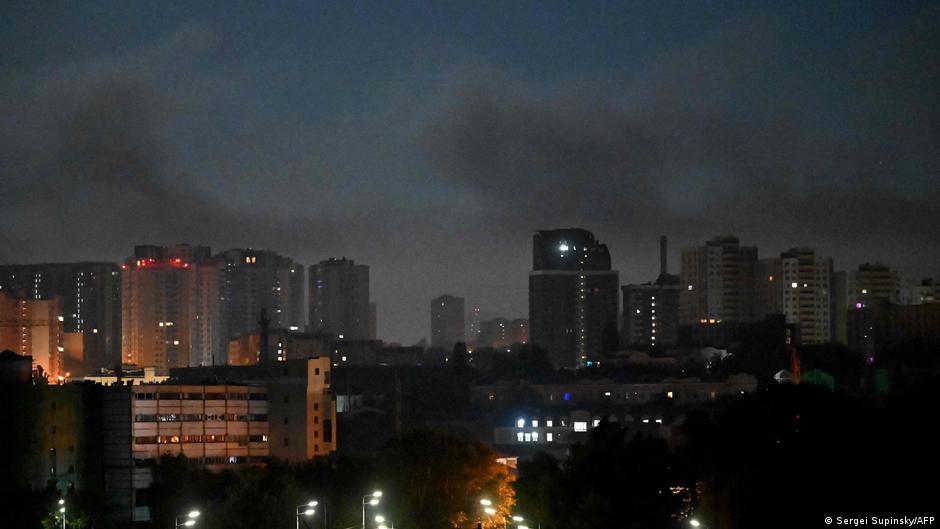
In the early hours of July 30, Russian forces launched a series of missile and drone attacks across multiple Ukrainian cities, causing significant civilian casualties and property damage. The assaults targeted Kyiv, Lviv, Kharkiv, and other urban areas, further escalating the conflict and underscoring the challenges facing Ukraine’s defense infrastructure amidst ongoing hostilities.
Impact on Civilian Areas and Infrastructure
In the Kyiv metropolitan area, multiple missiles struck residential neighborhoods, resulting in fires and debris fallout in several districts. The city’s military administration confirmed at least one fatality. Meanwhile, in Lviv, aerial defense systems were activated in response to the incoming attacks, but two multi-story residential buildings sustained damage. Emergency services are actively engaged in rescue and repair efforts.
Kharkiv experienced a drone strike involving a "Shahed"-type unmanned aerial vehicle in an industrial zone within the Novobavarsky district. Details remain limited, but the incident highlights the expanding use of drone technology in the conflict.
Additional explosions were reported in the regions of Vinnytsia, Cherkasy, Kryvyi Rih, Sumy, and Ivano-Frankivsk, indicating a broad and coordinated offensive utilizing ballistic and cruise missiles, drones, and precision-guided munitions.
Human Toll and Strategic Implications
A particularly tragic incident occurred in Radushne, a village near Kryvyi Rih, where a ballistic missile strike destroyed a private home housing a large family. The attack resulted in the deaths of two young girls aged 5 and 12, along with four adults. Eight others, including children aged 6 and 15, were injured. Rescue operations continue amid concerns that the casualty count may rise.
"The number of victims may increase," said Alexander Vilkul, head of the city defense council, in a statement highlighting ongoing emergency response efforts.
Ukrainian President Volodymyr Zelensky had earlier warned of an imminent large-scale aerial attack and emphasized the need for enhanced air defense support from international partners. Specifically, he called on allies possessing Patriot missile systems to provide critical assistance in countering Russia’s aerial offensives.
"It is essential that our partners fully understand the situation and recognize that their readiness to assist with surface-to-air missiles directly influences the protection of civilian lives," Zelensky stated.
Venture Capital and Tech Ecosystem Considerations
Beyond immediate human and infrastructural consequences, the escalation of hostilities poses significant risks to Ukraine’s burgeoning technology startup ecosystem. Frequent missile and drone attacks create operational uncertainties for tech companies and investors, potentially disrupting product development, supply chains, and workforce stability.
Moreover, the heightened security environment underscores the critical importance of innovations in defense technologies, particularly in air defense and drone countermeasures. This may accelerate demand for startups specializing in advanced radar systems, AI-driven threat detection, and resilient communication networks.
From a venture capital perspective, increased geopolitical risk may temper investment appetite in Ukrainian ventures, yet also open opportunities for companies innovating in security, surveillance, and crisis management sectors.