US Intercepts Iranian Ballistic Missile Attack Amid Rising Middle East Tensions
American forces successfully intercepted ballistic missiles launched by Iran targeting US troops in the Middle East, signaling increased regional volatility.
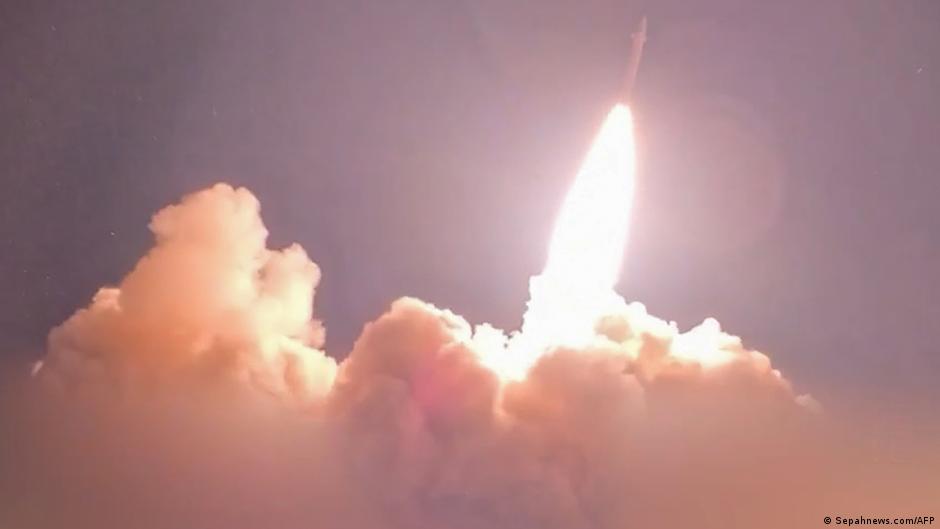
In a significant escalation of regional tensions, American military forces reported the successful interception of ballistic missiles launched from Iranian territory targeting U.S. forces stationed in the Middle East. The Central Command of the U.S. Armed Forces (CENTCOM) confirmed that multiple missiles were launched by Iran's Islamic Revolutionary Guard Corps (IRGC) in what was described as an "attempted surprise attack." This incident marks a sharp increase in hostilities after several days of relative restraint between the two sides.
Implications for Tech Startups and Venture Capital Ecosystem
While the immediate impact of this military confrontation is geopolitical and security-related, it also reverberates through the global technology and innovation ecosystem. The Middle East serves as a critical hub for emerging tech startups and a growing market for venture capital investments. Increased instability raises concerns for investors and founders regarding operational continuity, funding flows, and market expansion.
Startups in sectors such as cybersecurity, defense technology, and energy innovation could see accelerated interest and funding as governments and private investors seek solutions to mitigate risks associated with regional conflicts. Conversely, the broader venture ecosystem may face challenges including risk-averse investor behavior, disruptions in supply chains, and volatility in energy prices that indirectly affect technology budgets and startup valuations.
"The Middle East's evolving security landscape underscores the need for resilient innovation strategies and adaptive venture investment approaches," industry experts suggest.
Recent history shows that geopolitical tensions can catalyze technological innovation, especially in defense-related startups and strategic sectors. For example, the IRGC's repeated attacks on commercial shipping lanes in the Strait of Hormuz have spotlighted the necessity for advanced surveillance, autonomous maritime defense systems, and secure communication technologies—all fertile ground for startups and venture capital alike.
The missile attack follows a period of U.S. military strikes on Iranian targets aimed at diminishing Tehran's ability to threaten international commercial shipping. These operations, spanning from July 12 to July 24, aimed to safeguard critical maritime trade routes but also contributed to heightened military responses.
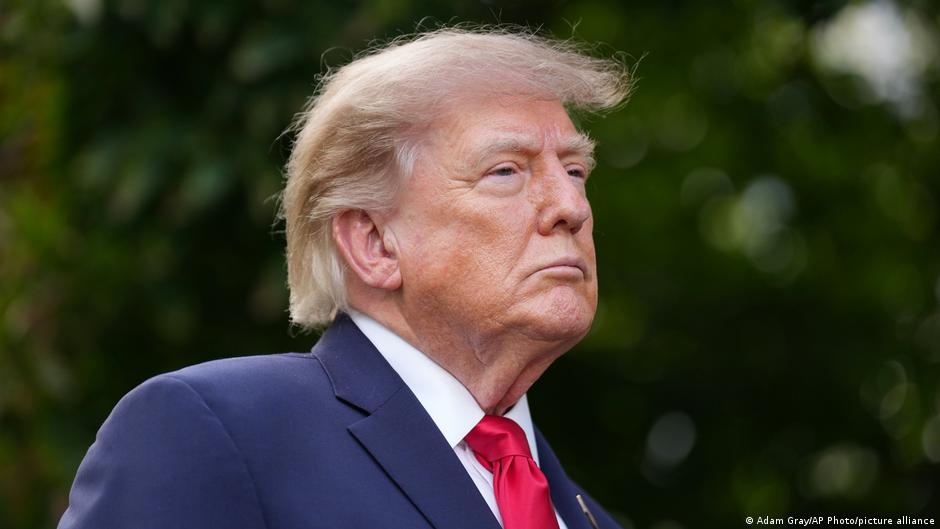
U.S. President Donald Trump had previously suspended further strikes to avoid exhausting missile interceptor stocks such as those associated with the Patriot air defense systems, and to prevent exacerbating global economic instability, particularly in energy markets. This strategic pause highlights the complex interplay between military actions and their economic repercussions, an area of keen interest for investors monitoring the stability of emerging markets.
As the situation develops, startups focusing on defense tech, risk management software, and energy innovation could experience both opportunities and challenges. Venture capitalists may recalibrate risk assessments, seeking to balance potential returns against geopolitical uncertainties. Moreover, mergers and acquisitions within tech sectors linked to national security may accelerate as companies aim to consolidate resources and capabilities.
In summary, the recent missile interceptions not only reflect immediate military dynamics but also influence the broader innovation landscape in the Middle East. For the venture capital community and technology startups, navigating this evolving environment requires strategic foresight and agility to capitalize on emerging trends while mitigating risks associated with geopolitical volatility.