Drone Attacks on Kharkiv Highlight Risks to Ukraine’s Tech and Startup Ecosystem Amid Conflict
Drone strikes in Kharkiv and other Ukrainian cities threaten infrastructure, impacting the innovation ecosystem and startup growth prospects.
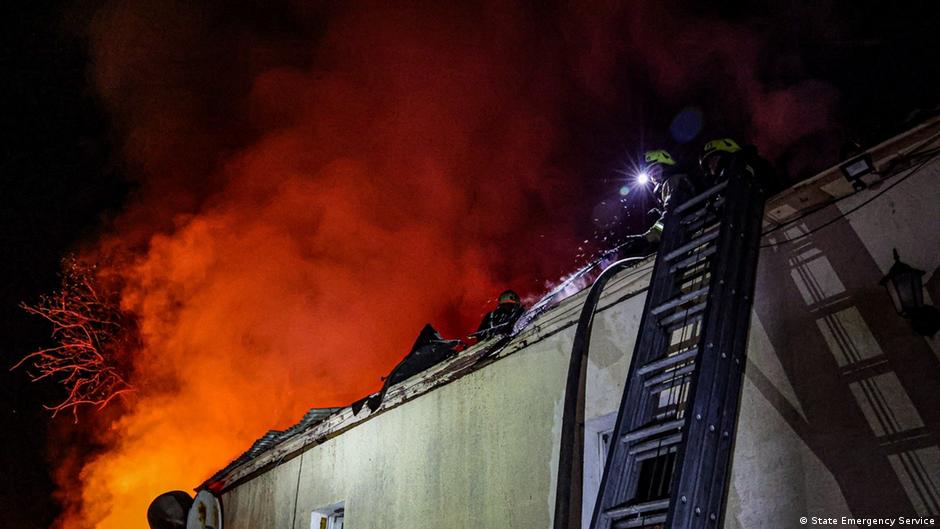
On the night of July 12, Russian forces launched drone strikes targeting multiple districts in Kharkiv, Ukraine’s second-largest city, resulting in damage to over 20 residential buildings and injuries to three civilians, including a 16-year-old girl. These attacks underscore growing risks to Ukraine’s urban infrastructure, which has implications beyond immediate humanitarian concerns, extending to the country’s fragile tech startups and innovation ecosystem.
Impact of Conflict on Ukraine’s Tech and Startup Environment
The strikes in Kharkiv’s Shevchenkivskyi, Kyivskyi, and Saltivskyi districts not only caused personal injury and property damage but also create instability for entrepreneurs and investors involved in Ukraine’s burgeoning technology sector. The mayor of Kharkiv, Ihor Terekhov, reported that a garage cooperative was also set ablaze during the attacks. Meanwhile, Russian forces also targeted a food industry enterprise in the city of Dnipro, although no casualties have been reported there.
“Damage to urban infrastructure and civilian property has a direct impact on the operational stability of startups and technology firms, which rely heavily on local facilities and workforce safety.”
Ukraine’s tech ecosystem has been gaining traction over the past decade, attracting venture capital investments and nurturing startups in software development, artificial intelligence, and cybersecurity. However, persistent military aggression threatens to disrupt these gains by damaging critical infrastructure, displacing talent, and deterring foreign investors wary of instability.
Furthermore, Ukrainian Air Force reports indicate ongoing drone and guided bomb launches targeting other regions, including Sumy, Zaporizhzhia, Donetsk, Poltava, and Odesa. Notably, ballistic missile strikes on Kyiv caused 12 casualties, while earlier attacks on Odesa and Sumy resulted in multiple deaths and injuries, further destabilizing the country’s key urban centers.
Security concerns are increasingly factored into venture capital decisions, as investors assess risks related to conflict zones, supply chain interruptions, and workforce availability. The humanitarian toll also reverberates through the startup community, as entrepreneurs and engineers cope with displacement and uncertainty.
Despite these challenges, Ukraine’s startup ecosystem has shown remarkable resilience, with many companies pivoting to support defense technologies, cybersecurity solutions, and remote work infrastructures during ongoing hostilities. Nonetheless, sustained attacks on cities like Kharkiv complicate efforts to attract international funding and scale innovative ventures.
Stakeholders in Ukraine’s innovation landscape continue to seek ways to mitigate risks, including strengthening digital infrastructure, decentralizing operations, and fostering partnerships with global investors attuned to the region’s unique challenges. The evolving conflict underscores the urgent need for adaptive strategies to preserve and grow Ukraine’s tech sector amidst geopolitical instability.