EU Considers Withholding €2M Funding from Venice Biennale Amid Russia Participation Controversy
European Commission recommends cutting subsidies over Russian pavilion's presence, raising concerns for cultural event funding and broader tech ecosystem implications.
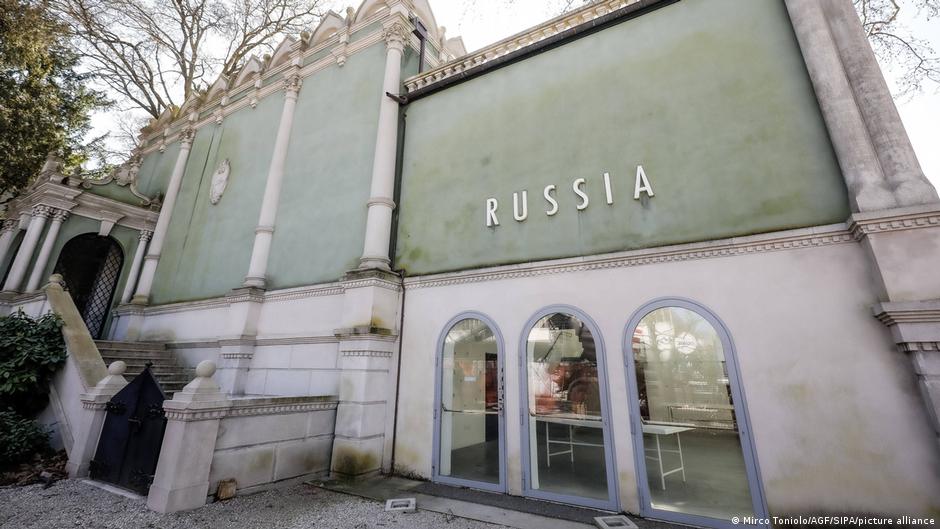
The European Commission has formally recommended that the European Education and Culture Executive Agency (EACEA) withhold €2 million in funding from the Venice Biennale due to the participation of Russia in the 2026 edition of the prestigious cultural forum. This move underscores the growing tensions surrounding Russia's involvement in international events following its full-scale invasion of Ukraine.
Impact on Funding and the Innovation Ecosystem
Henna Virkkunen, the European Commission's Executive Vice President for Technology Sovereignty, Security, and Democracy, stated that the decision followed a thorough review of the Biennale organizers' justification for reopening the Russian pavilion. She emphasized that cultural initiatives financed by taxpayers should reinforce democratic values, which she noted are currently not respected in Russia.
"Culture in Europe, funded by taxpayers' money, must contribute to strengthening and protecting democratic values. These values are not respected in present-day Russia," Virkkunen remarked.
The Commission's stance highlights a broader trend of scrutinizing funding and partnerships that could indirectly support state actors viewed as undermining democratic norms. For tech startups and innovation hubs linked to cultural sectors, such policy signals might lead to more cautious investment strategies and heightened compliance requirements.
Russia's return to the Venice Biennale marked its first participation since the outbreak of war in Ukraine, sparking sharp criticism from Brussels and Kyiv alike. The presence of the Russian pavilion has been met with protests, including demonstrations by activist groups such as Femen and Pussy Riot, signaling ongoing societal divisions and sensitivities.
European Union officials, including EU foreign policy chief Kaja Kallas, have openly criticized the reinstatement of Russia's participation. Kallas indicated intentions to reduce the Biennale’s funding as a response. Earlier warnings from the European Commission to Italy and the Biennale organizers cited violations of EU sanctions, noting that the Russian pavilion is government-operated, implying that financial support to it equates to indirect economic aid to the Kremlin.
Pietrangelo Buttafuoco, President of the Venice Biennale, defended the decision to allow Russia’s involvement by citing a commitment to freedom of expression, underscoring the tension between cultural autonomy and geopolitical considerations.
Broader Implications for Venture Capital and Innovation Funding
This dispute over cultural funding amid geopolitical conflict provides insight into how venture capital and startup ecosystems might be influenced. For investors and innovators, especially those engaged in cross-border cultural technologies, media, and creative sectors, the politicization of funding channels could complicate access to crucial resources.
Moreover, heightened scrutiny on affiliations and funding sources may lead to increased due diligence requirements, potentially slowing down deal flows and limiting collaborations with entities connected to sanctioned states. The evolving regulatory environment, as exemplified by this case, suggests startups and VCs must remain vigilant about compliance and geopolitical risk factors.
In summary, the EU's conditional approach toward funding the Venice Biennale highlights the interplay between culture, politics, and economics. For the innovation ecosystem, it signals a growing need to navigate complex geopolitical landscapes, balancing principles with practical funding realities.